Walk down the toothpaste aisle, and you’d think one tube could completely transform your teeth in about three days.
Boxes advertise instant whitening, advanced brightening, stain erasing, enamel glow, diamond technology and all sorts of other over-the-top promises. A lot of people buy these products expecting proper whitening, then end up confused when their teeth barely look different after weeks of brushing. The reality is that most whitening toothpastes don’t actually work the way people imagine they do, and once you know what they’re really designed for, the whole thing starts making a lot more sense.
Most whitening toothpastes only remove surface stains.
The biggest misunderstanding is that whitening toothpaste changes the natural colour of your teeth. In most cases, it doesn’t. What these products usually do is polish away surface stains caused by things like tea, coffee, red wine, smoking, curry, fizzy drinks and general everyday wear. That can make teeth look a bit brighter, especially if there’s visible staining sitting on the enamel, but it’s not the same thing as actually bleaching the tooth itself.
Natural tooth colour comes from underneath the enamel, in a layer called dentin, and toothpaste can’t really reach or alter that colour in any major way. So if somebody naturally has slightly yellow-toned teeth, or deeper staining from ageing, medication or genetics, even an expensive whitening toothpaste probably isn’t going to create that bright Hollywood smile they’re expecting.
The word whitening is often doing a lot of heavy lifting.

A toothpaste can legally market itself as whitening even if the effect is fairly mild. Sometimes all it means is that the formula removes stains a little better than a standard toothpaste. That sounds much less exciting on the shelf, though, so the packaging usually leans hard into dramatic language and glossy before-and-after images.
A lot of people assume whitening means bleaching because that’s what happens during professional dental whitening treatments. Those treatments use peroxide-based ingredients strong enough to change the shade of the teeth themselves. Most over-the-counter whitening toothpastes either contain tiny amounts of whitening agents or none at all. In many cases, the “whitening” comes mostly from abrasion and polishing rather than actual colour change.
Some toothpastes make teeth look brighter temporarily.

Certain whitening toothpastes rely on optical tricks rather than true whitening. One ingredient that gets talked about a lot is blue covarine, which coats the teeth with a very thin blue tint. Since blue tones visually counter yellow tones, teeth can appear slightly whiter for a short period after brushing.
That effect can genuinely make a difference in photos or bathroom mirror lighting, but it’s temporary and cosmetic. It’s a bit like using a purple shampoo on blonde hair to tone brassiness. The colour difference changes how things look in the moment, but it hasn’t actually altered the underlying shade of the teeth.
Abrasive formulas can create other problems.
Because many whitening toothpastes depend on scrubbing stains away, they often contain stronger abrasive ingredients than regular toothpaste. Used sensibly, that’s usually fine, but aggressive brushing combined with highly abrasive formulas can slowly wear down enamel over time, especially if somebody already brushes too hard.
Once enamel starts thinning, teeth can actually end up looking more yellow rather than whiter because the darker dentin underneath becomes more visible. Some people also develop sensitivity after using whitening products for long periods, particularly around the gum line, where enamel is naturally thinner anyway.
The results are usually subtle, not major.
Advertising has completely distorted expectations around whitening. Professional treatments, filters, studio lighting and edited celebrity photos have convinced people that teeth should look paper-white all the time. In reality, healthy teeth naturally vary in shade and often have creamy, slightly yellow or grey undertones.
Most whitening toothpastes create small improvements rather than huge transformations. Somebody who drinks a lot of tea or coffee might notice their teeth looking fresher after a few weeks, but it’s usually a gradual change, rather than a huge reveal. The difference is often much more noticeable to the person using the toothpaste than to everyone around them.
Tea and coffee habits can cancel out the effects quickly.

A lot of whitening toothpaste users are fighting against the same stains every single day. In the UK especially, where people drink endless cups of tea and coffee, stains return constantly. Even if a toothpaste removes some surface discolouration, those pigments keep building back up over time.
This is why people sometimes feel trapped in a cycle where their toothpaste only seems to work if they use it continuously. The product may be helping maintain a certain level of brightness, but it isn’t creating permanent whitening. It’s more like ongoing stain management than a one-time fix.
Smoking and vaping stains are much harder to get rid of.
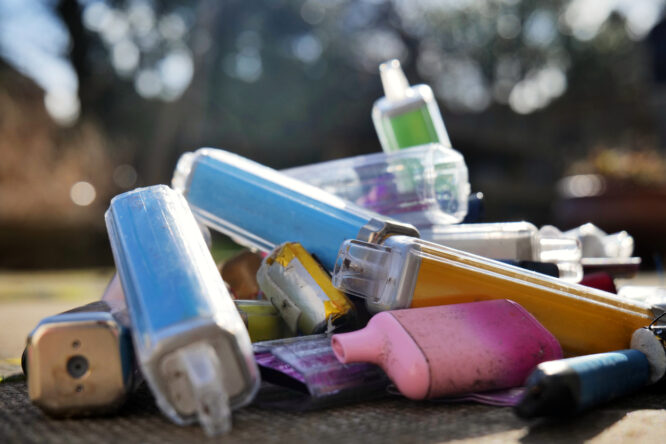
Nicotine and tar stains can sink deep into enamel, especially after years of smoking. Whitening toothpastes can sometimes reduce lighter staining, but heavier tobacco discolouration usually needs professional cleaning or stronger whitening treatments to make a noticeable difference.
Vaping can also contribute to staining, particularly flavoured liquids with darker colourings or high nicotine levels. A lot of people assume vaping completely avoids the cosmetic problems linked to smoking, but dentists are increasingly seeing stain build-up from that too, especially when combined with coffee, energy drinks or poor oral hygiene.
Charcoal toothpaste became popular for the wrong reasons.
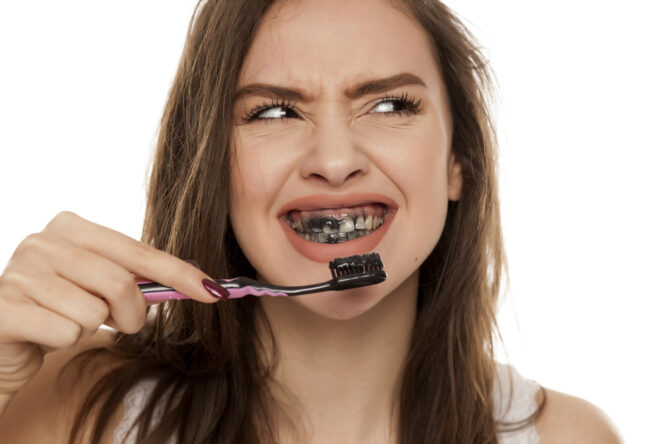
Charcoal whitening toothpaste exploded online partly because the black colour made the whole thing look intense and satisfying on social media. People saw influencers brushing with black foam and assumed it must be doing something powerful. In reality, many dentists have raised concerns about charcoal products being too abrasive or lacking fluoride.
There’s also surprisingly little strong evidence showing charcoal toothpaste whitens teeth better than regular products. In some cases, it can even roughen the enamel surface slightly, which may make stains cling more easily later on. The visual theatre of charcoal often created more excitement than actual long-term results.
Professional whitening works differently altogether.
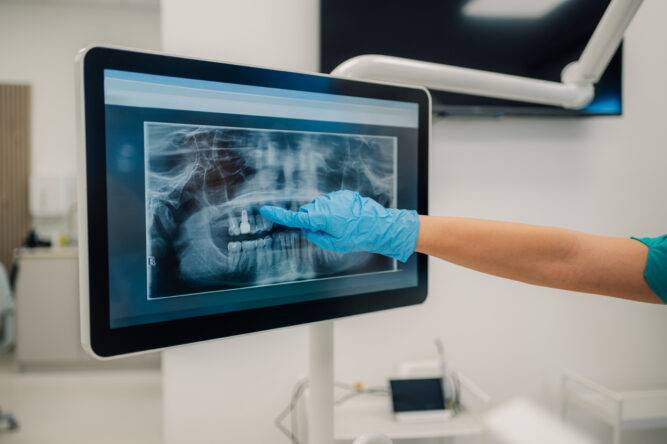
When people think of whitening, they’re usually imagining peroxide bleaching treatments done by dentists or high-strength whitening kits. These products use ingredients like hydrogen peroxide or carbamide peroxide to penetrate the enamel and chemically lighten the tooth shade from within.
That’s completely different from how most whitening toothpastes operate. Toothpaste mainly works on the outside surface during a two-minute brushing session. Professional whitening treatments sit on the teeth for much longer and use stronger active ingredients designed specifically to alter tooth colour rather than just polish the surface.
Age changes tooth colour naturally.
Teeth naturally darken as people get older because enamel slowly wears thinner over time. Decades of staining from food and drink also build up gradually. This means somebody in their fifties may never achieve the same naturally bright shade they had as a teenager, no matter how many whitening products they buy.
A lot of disappointment around whitening toothpaste comes from people expecting it to reverse years of ageing, staining and enamel wear. Toothpaste simply isn’t powerful enough to completely undo all of that. It may improve brightness slightly, but it can’t fully turn back the clock.
Some stains aren’t on the surface at all.
Certain types of tooth discolouration happen inside the tooth structure itself. Medication side effects, old dental injuries, excessive fluoride exposure during childhood and some medical conditions can all affect tooth colour in ways toothpaste can’t fix.
This is why two people can use the exact same whitening toothpaste and get completely different results. If staining is mainly external, there’s a better chance of visible improvement. If the colour change comes from deeper internal factors, whitening toothpaste may barely make any difference at all.
Whitening strips and trays usually outperform toothpaste.

Even many cheaper whitening strips tend to produce more visible results than whitening toothpaste because they actually keep peroxide against the teeth for longer periods. That gives the active ingredients time to work below the surface instead of just brushing briefly across the enamel.
That doesn’t mean every whitening strip is amazing because some are weak and some can increase sensitivity, but in general, they’re far closer to true whitening than toothpaste alone. Toothpaste works best as a maintenance product rather than the main event.
People often brush harder, thinking it helps.
One problem dentists regularly mention is that people start scrubbing aggressively once they buy whitening toothpaste. They assume more pressure equals better whitening, but brushing harder doesn’t magically remove stains faster. It mostly increases the risk of gum irritation and enamel wear.
Good technique matters far more than brute force. A soft-bristled toothbrush used properly for two minutes is usually better than attacking your teeth like you’re sanding down furniture. Whitening products already contain polishing ingredients, so excessive force rarely improves results.
Natural-looking teeth are often healthier-looking teeth.

Social media and celebrity culture have pushed the idea that ultra-white teeth equal beauty, health and success, but genuinely healthy teeth don’t usually glow bright white under normal lighting. Real enamel has texture, tone variation and slight translucency. Teeth that look unnaturally brilliant are often heavily whitened, veneered or edited.
That gap between reality and expectation is part of why people feel let down by whitening toothpaste. The product may actually be doing exactly what it promised in a technical sense, but the user expected a cosmetic transformation closer to a full dental procedure.
Dentists usually see whitening toothpaste as maintenance.
A lot of dental professionals don’t completely dismiss whitening toothpaste. They just see it differently from the average shopper. It can help maintain brightness after a professional cleaning or whitening treatment, and it may reduce fresh staining over time if used consistently.
The problem comes when marketing turns a maintenance product into something that sounds life-changing. Whitening toothpaste can absolutely freshen up teeth and improve mild staining, but it’s usually working within fairly limited boundaries. Once people understand that, the results tend to feel far less disappointing.
The whitening industry depends heavily on insecurity.
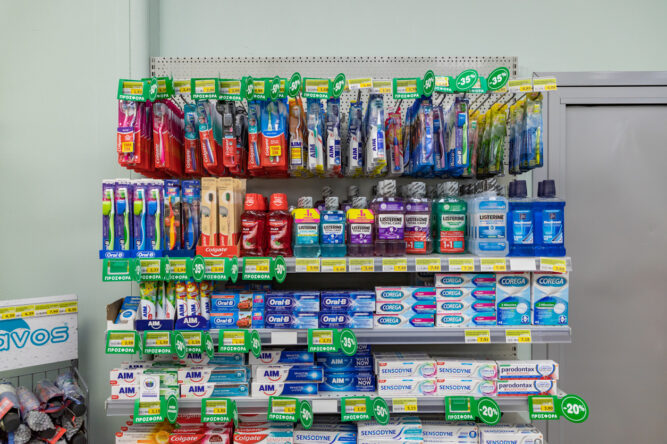
There’s a reason whitening products dominate pharmacy shelves and social media ads. Tooth colour has become heavily tied to confidence, attractiveness, and even professionalism. Many people now feel self-conscious about perfectly normal teeth because they’re constantly comparing themselves to filtered photos and cosmetic dental work online.
That pressure creates unrealistic expectations for everyday products. A £4 tube of toothpaste was never realistically going to deliver the same results as expensive dental bleaching, veneers or cosmetic bonding, but the marketing often blurs those lines because aspiration sells far better than realism.
In the end, most whitening toothpastes do work to some extent, just not in the major way people often imagine. They’re usually better at polishing away fresh stains and maintaining brightness than completely changing the natural shade of your teeth. Once you separate marketing from reality, the whole category starts to make a lot more sense.