More people than ever are walking away from jobs that look great on paper but feel terrible in real life.

They’re choosing lower pay, fewer perks, and sometimes even more uncertainty, just to reclaim a sense of peace, autonomy, or meaning. It’s not about laziness or a lack of ambition. It’s about realising that some jobs drain the life out of you, no matter how impressive the salary. Here’s why so many people are willingly trading high-paying misery for something that actually feels like living.
Mental health isn’t a luxury anymore.

For years, people pushed through burnout, anxiety, and chronic stress because it felt like the price of success. However, more are reaching a breaking point, and realising that no job is worth wrecking your nervous system over. Low-paying jobs aren’t always easy, but they can come with less emotional weight. There’s something freeing about not having to fake enthusiasm for a toxic workplace just to hang onto a title or a paycheque.
Time has become more valuable than money.

Especially after the pandemic, people began rethinking what they wanted to spend their days doing. A high salary means very little if you’re working 70-hour weeks and have no time to breathe, let alone enjoy it. Jobs with lower pay often come with more flexible hours, shorter commutes, or less pressure to be constantly available. That freedom is becoming priceless to people who are done being chronically overextended.
Toxic work culture makes everything feel heavier.

You can handle long hours or demanding tasks, but not in a culture that’s competitive, dismissive, or just flat-out cold. More workers are leaving not because of the work itself, but because of the people and the atmosphere. In contrast, smaller or lower-paying workplaces often feel more human. There’s less corporate jargon, more honesty, and sometimes even actual friendships. That emotional safety net makes a huge difference.
Some people just want to feel useful, not impressive.

Not everyone needs to “climb the ladder.” A growing number of people care more about feeling like their work means something, even if it doesn’t come with a six-figure salary or a fancy title. That could mean working in care, creative industries, community spaces, or education—sectors that don’t always pay well but offer real human connection. The satisfaction comes from making a difference, not making bank.
The prestige trap is losing its grip.

Once upon a time, the goal was to land a job that looked good at dinner parties. Now, a lot of people just want to feel okay when they wake up in the morning. The need to impress other people is being replaced by a desire for peace. People are starting to see through the illusion of status. A glossy job title doesn’t mean much when you’re crying in your car before work or lying awake at night dreading Monday.
The freedom to walk away is finally growing.
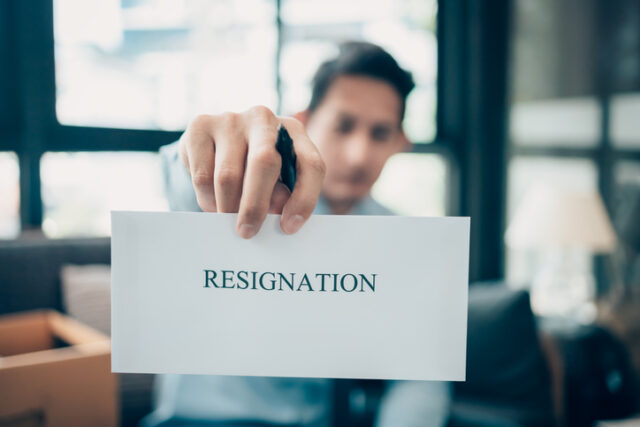
There’s still privilege involved in being able to quit a high-paying job, but the number of people doing it shows that more are choosing freedom, even if it means tightening their budgets for a while. Online communities, gig work, and remote opportunities have made it easier for people to design less traditional work lives. It’s not perfect, but for many, it’s better than staying stuck in a soul-destroying job just for the pay.
Chronic stress literally changes your brain.

People are becoming more aware of the physical toll that miserable jobs take. Long-term stress affects memory, focus, and emotional regulation, not to mention your heart and immune system. That realisation is pushing people to make different choices. A calmer job with a smaller paycheck is starting to look like a smarter investment in long-term health and well-being.
The “dream job” myth is collapsing.

Many were sold the idea that if you worked hard enough, you could land a dream job that paid well and felt amazing. However, a lot of people found out the hard way that the dream doesn’t exist, or if it does, it comes with strings. Now, instead of chasing the perfect role, people are chasing balance. They’re choosing jobs that might not look great on LinkedIn but feel manageable, real, and sustainable.
Income doesn’t guarantee stability anymore.

Plenty of people in high-paying jobs still feel financially insecure, especially with rising costs, unstable housing markets, and job insecurity in even the most prestigious industries. If there’s no real safety at the top, then why not take a job that gives you more breathing room emotionally? More are deciding they’d rather feel mentally steady than financially flashy.
Resentment builds fast in high-pressure environments.

When you’re giving everything to a company and still feel disposable, it eats away at you. Even a big paycheck can start to feel like a slap in the face if it comes with constant disrespect or dehumanising pressure. People are realising that low-stress environments help you recover your sense of dignity. You feel less like a cog and more like a person again, and that changes everything.
Purpose matters more when the world is such a mess.

In a time of climate crisis, economic instability, and global tension, more people want their time to count. That doesn’t always mean saving the world, but it does mean wanting to look back and feel like they spent their energy on something real. It’s making high-paid but meaningless jobs feel even more hollow. People are turning to work that feels grounded, even if it means earning less, because they want to feel more aligned with what matters.
People are building self-worth outside of work.

For a long time, jobs defined who we were. Thankfully, that narrative is finally changing. More people are finding identity through hobbies, friendships, creativity, or family, and letting work be just one part of a bigger life. When you stop expecting your job to be everything, you stop putting up with work that steals your energy and identity. This mindset change is why some are totally fine with a lower paycheque if it means protecting their peace.
Misery costs more in the long run.

High-paying jobs can drain you so much that you end up spending more just to cope—on therapy, holidays, food delivery, or anything that numbs the pressure. It’s a false economy in the end. More people are doing the maths and realising: what you “lose” in income, you often gain back in mental clarity, sleep, better relationships, and a life that actually feels like your own. That trade-off is starting to look less like failure, and more like freedom.