It’s not just you—a lot of millennials feel like they’ve gone from 30 to 70 in the blink of an eye.
We’re not just talking physically here, but emotionally, mentally, and spiritually, too. The years since 2020 have been one long blender of burnout, existential crises, and bad news cycles. If you’ve caught yourself saying things like “I’m too old for this” while still being firmly in your thirties or early forties, you’re definitely not alone. Here’s why this generation feels like it’s aged decades in just a few years.
Pandemic time warp is real.
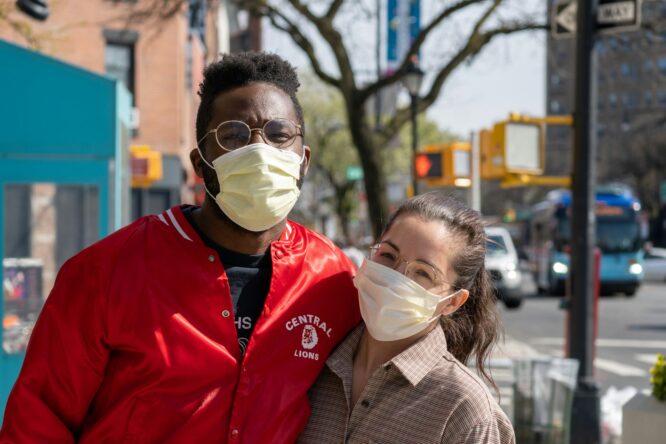
The entire period of 2020 to 2022 felt like one giant, blurry mess. Days melted into each other, milestones got cancelled, and everything from dating to working changed overnight. For many millennials, that period didn’t just stall life, it warped it completely.
Coming out of it, it’s like we skipped an entire phase of our lives. One minute we were figuring things out, the next we were suddenly more tired, more cautious, and somehow… older. It’s not just lost time, either. It’s a whole change in pace and energy.
Chronic burnout became the new baseline.

Millennials were already a burnout generation before the pandemic, juggling unstable work, side hustles, and sky-high living costs. But post-2020, that burnout became constant, not occasional. There was no pause button, no deep breath, just more hustle. Burnout isn’t just mental. It physically ages you, makes you feel heavier in your body and slower in your reactions. No wonder so many millennials feel like they’ve added decades to their lives in just a few short years.
The cost of living spiralled out of control.

From rent to groceries to energy bills, everything exploded in price while wages stayed flat. Suddenly, that vague idea of “stability in your thirties” became a punchline. It’s hard to feel youthful and carefree when you’re comparing oat milk brands to save 20p or choosing between heating and eating. That kind of financial stress puts mileage on your soul, fast.
Everyone aged emotionally, all at once.
Between climate anxiety, political messes, war coverage, and endless bad news, there’s been no emotional downtime. Millennials have had to process heavy, often global-scale stress almost daily. That kind of emotional overload can wear down even the most upbeat person. It’s made people more guarded, more tired, and often a lot more cynical than they were just a few years ago.
Relationships got weird, or disappeared entirely.

Many friendships and romantic connections fizzled out during lockdowns and never quite came back. Others changed shape under the pressure. For some people, the loneliness stuck around even after the restrictions ended.
That kind of disconnection hits differently in adulthood. It’s not just missing people. Instead, you start to feel a bit untethered. The social glue that used to hold things together has thinned, and that emotional isolation makes people feel much older than they are.
Technology didn’t help. Instead, it just got more invasive.

We went from video calls to group chats to digital everything, and while it kept us connected, it also made it impossible to switch off. Work, friendships, doomscrolling—all of it lived in our pockets 24/7. The constant stimulation is draining. It accelerates the sense of time passing too fast and robs us of the mental quiet that actually helps us feel young and engaged. Now, even resting feels like a performance.
There’s been no sense of “arrival.”
For older generations, their thirties often came with milestones—homes, savings, steady jobs. For millennials, many of those things still feel completely out of reach, and that sense of “shouldn’t I be there by now?” adds a lot of weight. When you don’t feel like you’re progressing in life the way you thought you would, it creates a strange kind of emotional ageing. You feel stuck in a loop, mentally older, but still treated like you’re not “really” an adult.
We’re carrying our parents’ stress too.
With boomers ageing and pensions strained, many millennials are quietly becoming part-time carers, financial helpers, or emotional supports to their parents. That kind of role reversal adds pressure no one prepared for. Taking care of your family while barely managing your own life is exhausting. Plus, it doesn’t leave much room for fun, freedom, or even just catching your breath. It fast-tracks you into a caretaker mindset, and that’s a heavy place to live in daily.
Health anxiety became a permanent background hum.
Even those who weren’t directly affected by COVID found themselves more aware of their bodies, symptoms, and mortality than ever before. Health stopped being a distant worry and became a daily mental check-in. That kind of awareness changes you. It makes you feel older, more cautious, more aware of your limits. You’re suddenly thinking about things like insurance and long-term well-being way earlier than expected.
Nostalgia is now a coping mechanism.

Whether it’s rewatching early 2000s TV or revisiting childhood snacks, millennials have leaned hard into nostalgia. It’s comforting, sure, but it also reinforces the sense that life used to feel simpler and lighter. When you’re constantly reaching back to feel okay in the present, it creates emotional distance from the now. As time geos on, that makes the gap between who you were and who you are feel uncomfortably wide.
The sense of humour got… much darker.
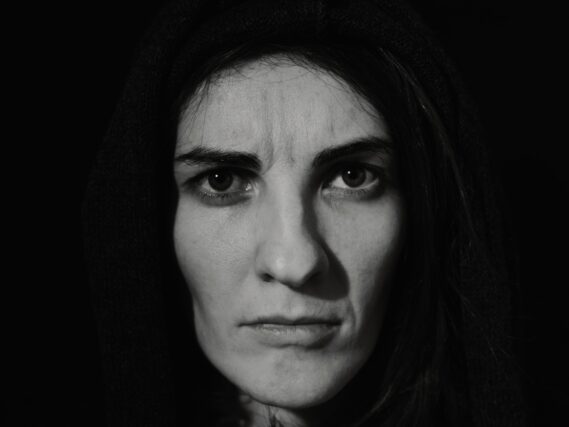
Memes, tweets, and TikToks now come with a side of existential dread. Millennials are laughing their way through the chaos, but often with a tone that sounds like someone twice their age who’s already given up. Humour is still a survival tool, but it’s telling. If your jokes sound like they’re coming from a 75-year-old war veteran, you’re not alone. We’ve all aged inside a little bit.
The pressure to be “okay” all the time hasn’t let up.
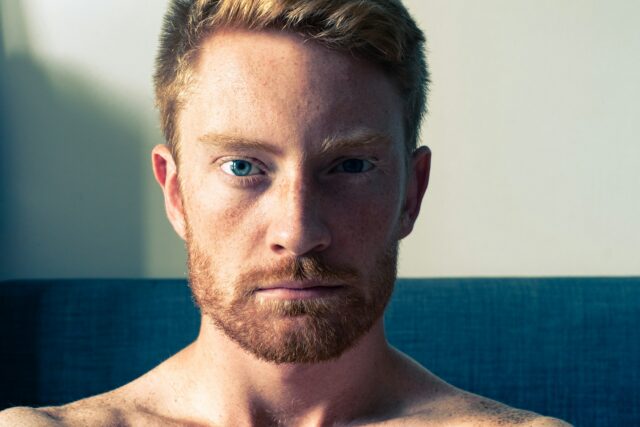
Even through global crises, many millennials kept working, parenting, posting, and pretending everything was fine. That emotional suppression builds up and quietly drains your energy over time. It’s hard to feel young when you’re constantly pretending you’re strong. There’s a kind of weight that comes from never letting yourself fall apart, even when you probably should have.
Big life plans got reshuffled, or cancelled entirely.
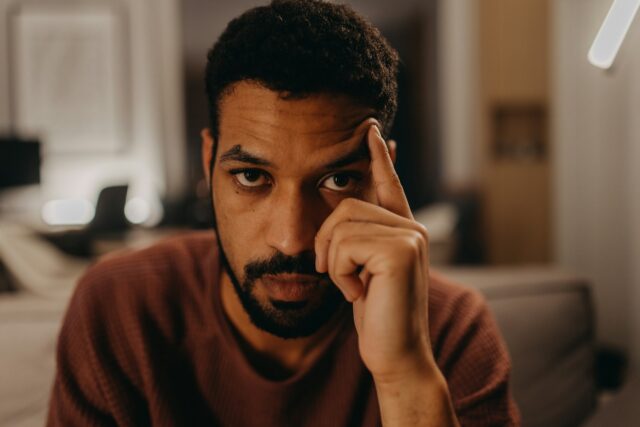
From weddings and travel, to relocations and career changes, so much got pushed back or scrapped completely in the past few years. Trying to rebuild momentum after so much nothingness has been exhausting. For a generation already navigating delay, having to delay more just made things worse. The constant reshuffling makes you feel like life’s passing by without you, and that’s a fast-track to feeling older than your age.
We’ve become the “responsible ones” by default.
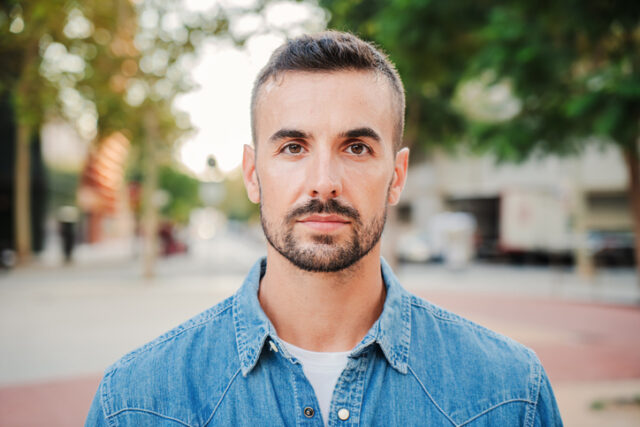
In a lot of families, millennials are now the ones keeping things together. Whether it’s helping siblings, supporting parents, or taking on emotional labour at work, they’ve become the steady hand, even when they don’t feel steady inside. That invisible responsibility wears you down. It might not come with a title or a raise, but it adds years to your internal clock when everyone quietly leans on you.
There’s no time to recover between crises.
From COVID to climate disasters to economic shocks, it’s just been one thing after another. The usual rhythm of stress and recovery has disappeared. Now, it’s just stress layered on more stress. Without time to emotionally or physically reset, people stop feeling resilient. They just feel old, tired, and slightly numb. And that numbness has become the default for a lot of millennials trying to keep up.