You’d think protecting vulnerable kids would be something everyone could agree on.
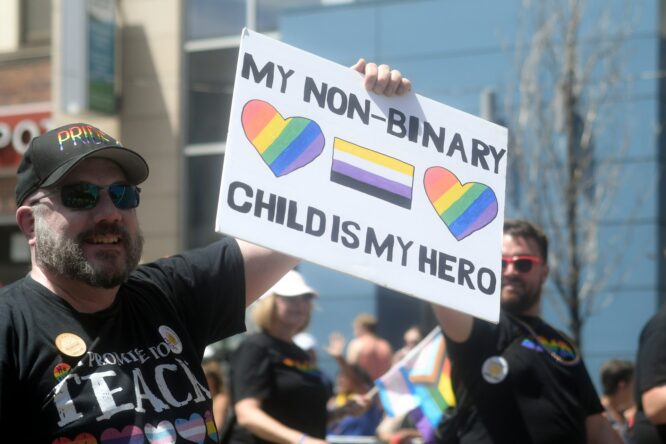
Sadly, when it comes to queer and gender-nonconforming youth, even basic safety and support become battlegrounds. Every step forward—whether it’s inclusive education, access to affirming healthcare, or just using someone’s chosen name—is met with loud resistance. The backlash isn’t always about the kids themselves. It’s often about fear, power, and people feeling threatened by what they don’t understand. Here are just some of the reasons why protecting these young people still sparks so much anger, even in 2025.
People confuse acceptance with endorsement.
When schools or communities support queer kids, some adults act like it’s part of a secret agenda, as if affirming a child’s identity is the same as encouraging them to be something they’re not. However, protecting kids isn’t about pushing anything. It’s about listening to who they already know themselves to be.
That confusion fuels panic. Instead of seeing support as compassion, critics frame it as ideological influence. That framing lets them sidestep the reality: these kids already exist. Support doesn’t create them; it protects them.
Adults project their discomfort onto children.

Many grown-ups have never unpacked their own biases or discomfort around gender and sexuality. When faced with kids who challenge traditional norms, they lash out—not because the kids are unsafe, but because the adults feel exposed or challenged. Instead of questioning their own beliefs, they project fear outward. That’s how a child asking to be called a different name becomes a “threat to society” in their eyes. It’s not rational, it’s reactive.
It challenges the idea of a fixed identity.
Some people are deeply uncomfortable with the idea that identity can evolve, change, or look different from what they were taught to expect. Queer and gender-nonconforming kids exist outside those neat categories, which makes them a lightning rod for rigid thinkers.
Protecting those kids means acknowledging that there isn’t just one way to grow up. For people who depend on absolutes, that’s unsettling. They’d rather deny a child’s reality than accept that the world isn’t black-and-white.
There’s a deep cultural fear of losing control.
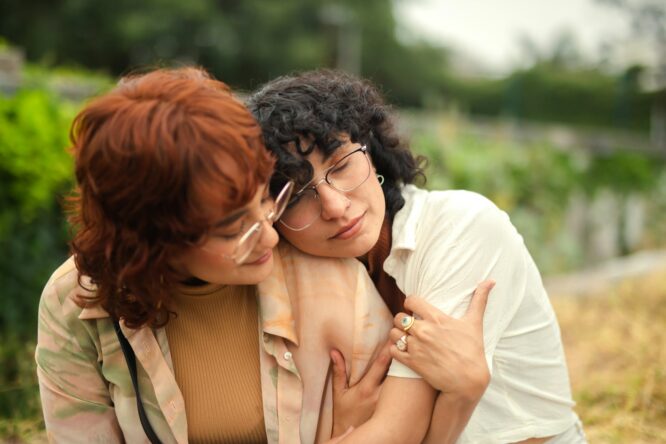
At its core, a lot of the backlash is about control over schools, families, language, and norms. When a child asserts who they are, it disrupts the traditional flow of authority. Suddenly, it’s not the adults setting the narrative, it’s the child. That’s uncomfortable for people who believe power should only flow one way. Supporting queer kids forces adults to listen instead of dictate, and not everyone’s willing to do that.
Some people think visibility equals danger.
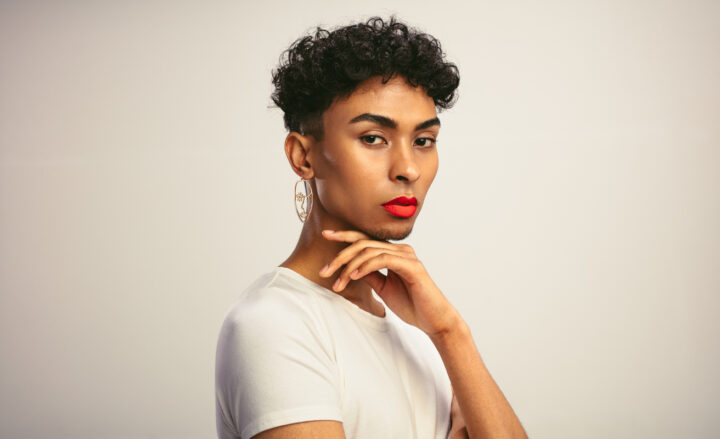
There’s still this myth that the more we talk about gender or sexuality, the more kids will be “influenced” by it. In reality, visibility saves lives. It gives kids the language to understand themselves, and the reassurance that they’re not alone.
However, opponents often paint this visibility as corrupting or inappropriate. That’s how discussions about safety get twisted into moral panics. It’s easier to villainise the conversation than to face what happens when kids grow up without representation.
Queer kids get used as political pawns.
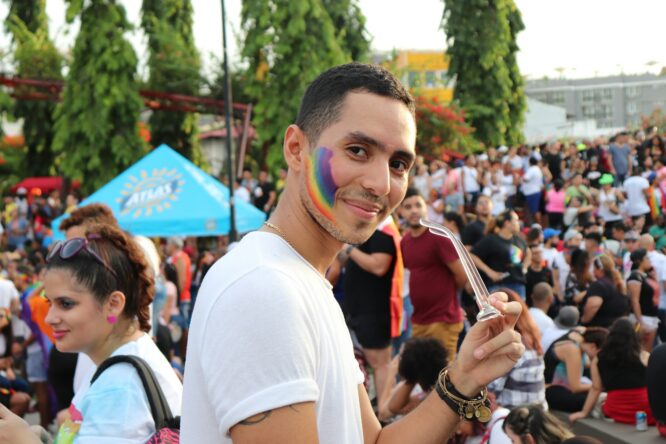
Instead of being treated as real people, these kids often get turned into slogans or symbols. Politicians know they can stir up outrage by targeting trans or nonbinary youth. It energises a certain kind of voter, and distracts from more complicated issues. This means the conversation stops being about actual children and turns into a debate about ideologies. When kids become collateral in culture wars, their safety is the first thing to go.
Schools are caught in the middle.
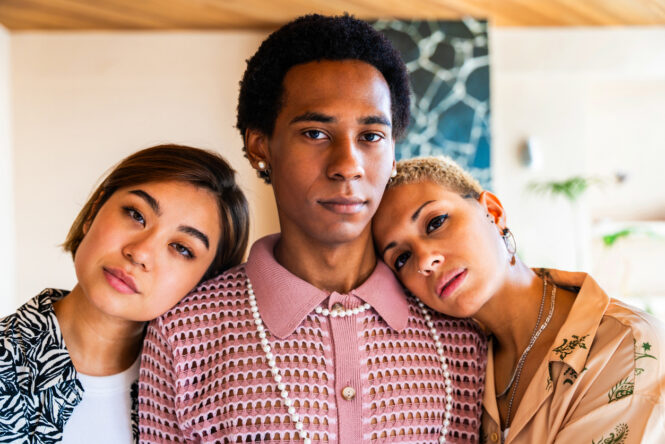
Teachers, counsellors, and administrators often want to support students, but they’re stuck between doing what’s right and avoiding lawsuits, parental backlash, or political fallout. That tension leads to watered-down policies or outright silence. When schools are too scared to act, kids lose out. Safety becomes optional. For queer or gender-nonconforming youth, that can be the difference between surviving school, or not.
Parents feel like they’re being replaced.

Some parents see any support their child gets from outside sources, especially around identity, as a threat. Instead of recognising that kids benefit from multiple kinds of support, they see it as a loss of control over their role. That fear gets louder when a child opens up to a teacher or therapist before coming out at home. It’s not about the kid’s well-being anymore—it’s about adult pride, fear, and power dynamics.
There’s still stigma around therapy and emotional support.
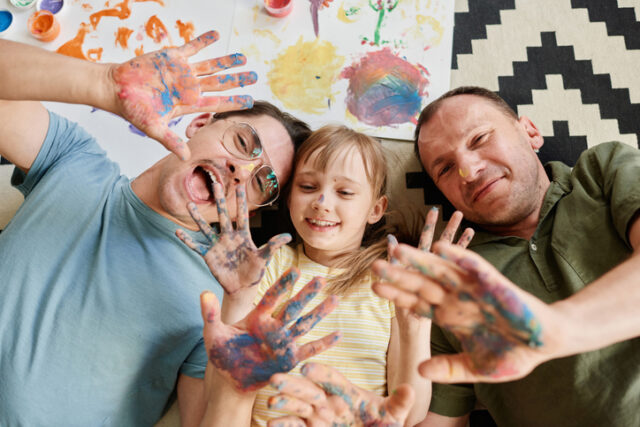
Many people still see therapy or mental health care as something shameful or dramatic. So when a young person wants to talk to someone about gender or identity, they’re met with suspicion rather than support. That resistance often comes from generations who were taught to “tough it out.” But for queer kids, access to affirming mental health care isn’t optional—it’s often life-saving. The backlash here is rooted in outdated ideas about what strength looks like.
Religion is still being weaponised.
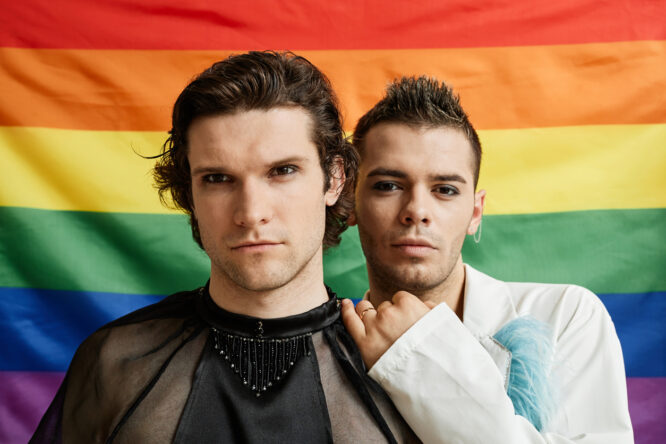
Not all religious communities are hostile to queer youth, but the ones that are, tend to be loud. They often frame protective policies as “attacks on faith” rather than steps toward equality and safety. This framing makes it hard to have real conversations. Any attempt to support queer kids gets reframed as a threat to religious freedom, even when the actual goal is simply not letting kids be bullied, isolated, or erased.
The media often feeds the outrage.
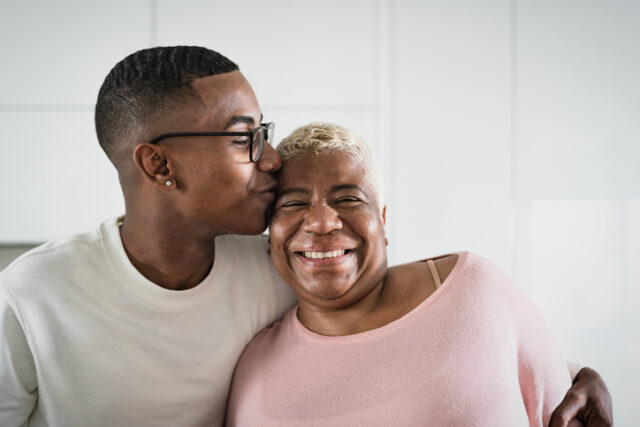
Controversy gets clicks. So instead of highlighting stories of real support and success, media outlets often spotlight the most extreme voices on both sides. That makes it seem like the issue is more divided, and more threatening, than it really is. The constant swirl of outrage makes it hard to focus on the kids themselves. It becomes about talking points, not people. The result is that nuance disappears, while fear spreads.
Some adults are still clinging to outdated gender roles.
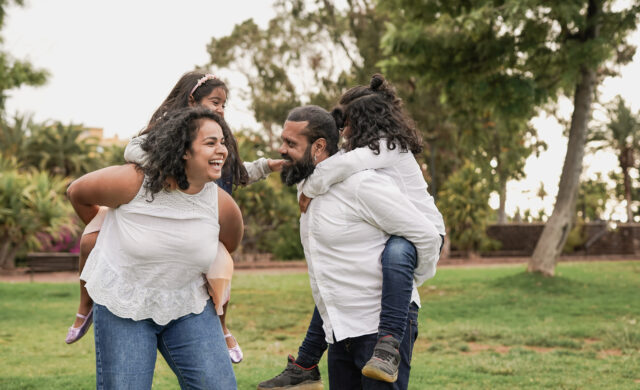
The idea that boys should be one way, girls another, still runs deep. When a kid challenges that by existing outside those roles, it can trigger discomfort in adults who were raised to see gender as fixed and binary. That discomfort often turns into judgement, policing, or even cruelty. It’s not about protecting children; it’s about forcing them to fit outdated expectations, regardless of how much it harms them.
It forces society to confront its own double standards.
We say we care about children’s well-being, but only some children, under some conditions. Queer and gender-nonconforming kids expose that gap. Their needs highlight how conditional support often is, and how easily compassion gets replaced by fear or control.
That makes people uncomfortable. It’s easier to blame the kids, or the language, or the supposed “trend,” than it is to admit we haven’t been protecting all children equally. Of course, ignoring it won’t make them disappear; it just makes them more vulnerable.