Sorting out what to do with the cat while you’re away can easily turn into the most stressful part of booking a holiday.
Dogs’re usually quite happy as long as someone feeds them and throws a ball, but cats’re a completely different kettle of fish. They’re creatures of habit who despise having their territory upended, so simply packing them off somewhere or leaving them with a mountain of dry biscuits rarely goes smoothly.
Getting the setup right matters far more than most owners realise. Whether you’re weighing up a local cattery, booking a professional pet sitter, or roping in a neighbour to pop in twice a day, every option has its own pros and cons depending on your moggy’s temperament. Picking the wrong setup can leave your cat thoroughly miserable, and you spending your entire break fretting over whether they’re pining behind the sofa at home.
Cats find being away from home particularly difficult.
Unlike dogs, cats tend to form a strong attachment to their territory rather than just the people around them. Moving them somewhere unfamiliar, even for a short stay, can unsettle them in a way that wouldn’t necessarily bother a dog making the same trip.
That’s why so much of the advice around holiday cover for cats focuses on keeping them in their own home wherever possible. Whether you’re arranging a friend to pop in or hiring someone to stay over, minimising disruption to their usual environment tends to make the whole experience far less stressful for them.
There’s certain information your cat’s carer will need to look after them properly.

Before you head off, put together a proper handover for whoever’s looking after your cat, covering everything from your vet’s contact details to an emergency number they can reach you on. If your cat has any existing medical conditions, medication, or a specific dosage schedule, all of that needs to be written down clearly rather than explained quickly on your way out the door.
You should also include your cat’s usual feeding routine, along with their microchip details in case anything goes wrong while you’re away. If your cat isn’t already microchipped, it’s important to sort out before your next trip, since it makes a huge difference if they ever go missing. Any behavioural quirks your cat has, whether that’s nervousness around strangers or specific triggers to avoid, should be flagged too, so their temporary carer isn’t caught off guard.
Relying on family or friends to step in could be an option.
If you’ve got a friend or family member your cat already knows, this is often the easiest option, since there’s no unfamiliar person to get used to on top of everything else. The transition tends to go far more smoothly when the person looking after your cat is someone they’ve already met and feel comfortable around.
The key thing to remember is that this care should happen in your own home rather than theirs, given how much cats rely on familiar surroundings to feel settled. Ideally, whoever’s helping out will either stay at your place for the full trip, or commit to visiting at least twice a day to feed your cat and check in on them properly.
Hiring a professional pet sitter is an alternative if you don’t know someone personally who could help.
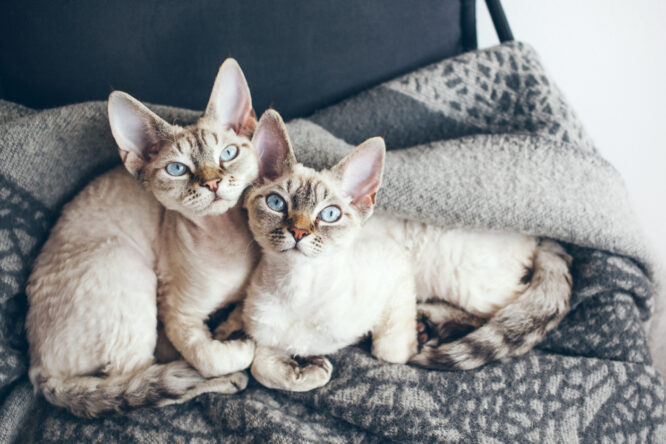
For anyone without friends or family nearby who can help, a pet sitter offers a similar benefit without needing to rely on a personal favour. Pet sitters typically stay in your home for the duration of your trip in exchange for a fee, which means your cat gets to stay in their usual environment throughout.
Since moving location is one of the biggest stress factors for cats, keeping them at home with a sitter rather than relocating them elsewhere tends to be one of the gentler options available. It’s a solid middle ground for anyone who wants proper daily care without disrupting their cat’s routine any more than necessary.
How to make sure you’re choosing a good pet sitter

Before booking anyone, arrange a meeting between the sitter and your cat first, so you can see how they interact and whether your cat seems comfortable around them. A good sitter should be happy to spend time getting to know your cat before any booking is confirmed.
It’s also important to check they’re properly insured and have undergone a background check, since pet sitting isn’t a licensed profession in the way some other pet services are. Reputable sitters should still be able to show proof of training and insurance if asked. Asking neighbours or fellow cat owners for recommendations, or checking independent reviews online, is another useful way to narrow down your options before committing to anyone.
Choosing a boarding cattery should be done carefully.
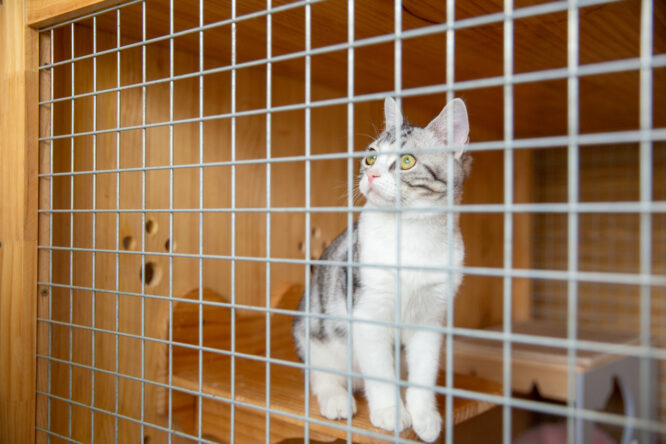
Boarding catteries are another option to consider, though they won’t suit every cat, since some find the change of environment and unfamiliar surroundings truly stressful. Think honestly about your own cat’s temperament before deciding whether this route is right for them.
Good catteries tend to book up quickly, so start your search well before your trip rather than leaving it until the last minute. A personal recommendation is always a good starting point, and checking that the cattery is properly licensed by the local authority is an essential step before booking anything.
What to look for when visiting a cattery
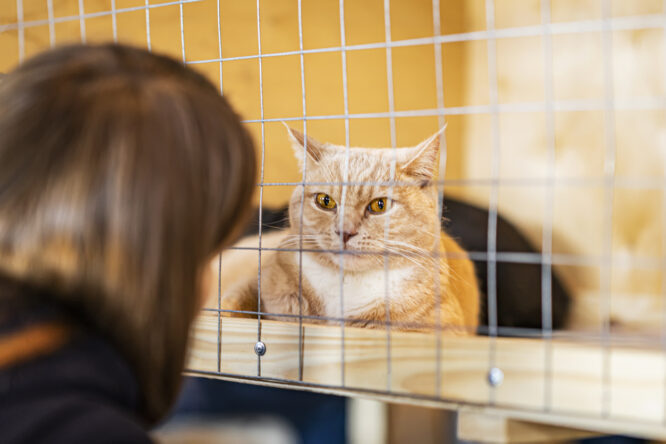
Turning up unannounced is one of the best ways to get a real sense of how a cattery operates day to day, rather than seeing it dressed up for a scheduled viewing. Once there, check that the living areas are warm, clean, dry, and secure, with plenty of comfortable space for each cat.
Each individual pen should include a scratching post, toys, somewhere to hide, a raised shelf to rest on, and a properly sized litter tray. Cats who don’t already know each other shouldn’t be able to see, smell or touch one another either, since even indirect contact with unfamiliar cats can cause unnecessary stress during their stay.
Questions you should ask before you book a cattery
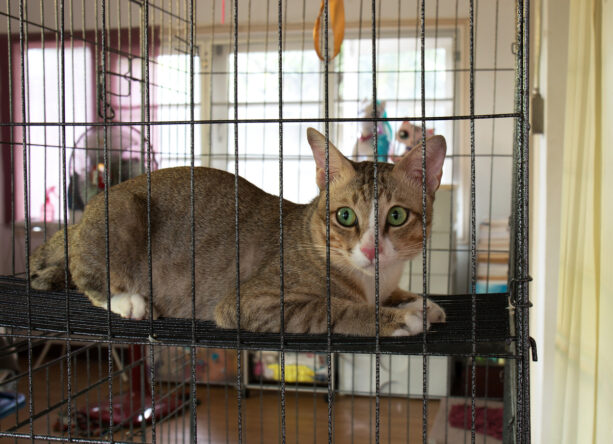
A good cattery should ask you plenty of questions in return, covering things like your cat’s diet, preferred litter type, and daily routine, so they can keep things as consistent as possible during their stay. You should also confirm that all cats staying there are vaccinated against flu and other common illnesses, since that protects your own cat from picking anything up during their visit.
Before booking, ask about their insurance cover and exactly what happens if your cat needs a vet while you’re away, including how quickly they’d get in touch with you. Check the location isn’t prone to flooding, and ask how many staff are on hand relative to the number of animals staying there at any one time.
Whichever option you go for, sorting out cat care well ahead of your trip gives you far more choice and takes a lot of pressure off closer to departure, so it’s a good idea to start the search as soon as your holiday dates are confirmed.