For most of us, stepping under a freezing cold shower sounds like an unnecessary shock to the system we’d rather avoid.
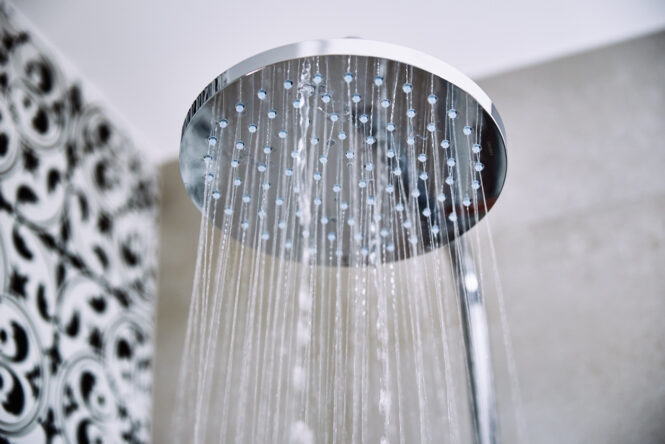
That’s especially true on a chilly winter morning when the bathroom is already cold. Turning that dial toward the blue end goes against every natural instinct when all you want is a warm wake-up call before heading out the door. However, as it turns out, new research suggests that briefly braving the chill could actually do your body and mood a surprising amount of good.
Studies looking at people who regularly finished their morning wash with a burst of cold water found they took fewer sick days off work and reported feeling slightly brighter overall. While the science is still in its early stages, the results add to growing curiosity around how cold water affects our resilience and wellbeing, and there are plenty of simple ways to test the waters yourself without freezing solid.
Researchers wanted to know what sort of impact cold showers make on our health, if any.
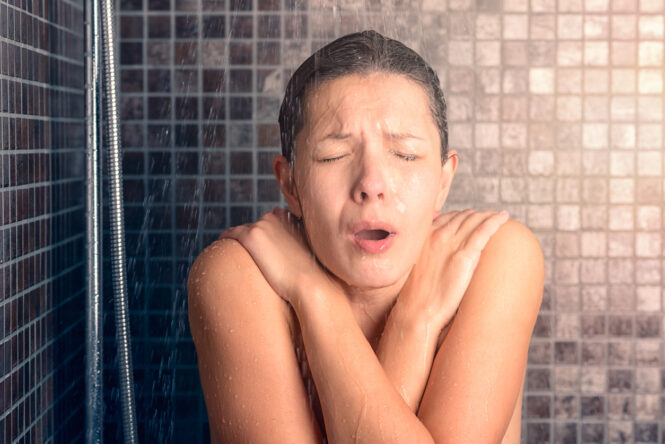
Researchers in Switzerland combined the results of three experiments involving 719 people. They wanted to find out what happened when people were encouraged to take cold showers regularly, and whether it made any difference to their health. Participants reported how often they took cold showers, how many days they felt unwell and how many days they took off work because of illness. They also answered questions about how they were feeling in general.
People who take cold showers take fewer sick days, it seems.
People who regularly took cold showers reported taking 31% fewer days off work because of illness than those who mostly had warm showers. They also said they felt ill on 26% fewer days. These results echo an earlier study from 2016, which found that people taking cold showers had around 29% fewer sick days off work. However, that earlier study didn’t find a drop in how often people felt unwell.
They’re not a miracle cure, but cold showers do offer a small boost to wellbeing.
People who took cold showers also said they felt slightly better in themselves during the experiment. Many people worry that cold showers would leave them feeling miserable or uncomfortable, but the results suggest the opposite. Some also reported feeling a little better physically, although this change was too small for the researchers to be sure it wasn’t down to chance. The findings suggest cold showers may help both mind and body, but more research is needed.
It gets easier over time.
Many people gave up during the first two weeks, which is perhaps no surprise given how hard a cold shower can feel at first. After that, though, far fewer people dropped out. Among those who stuck with it, most took cold showers in a typical week, showing that people do seem to get used to the cold. For many, the hardest part is simply getting started.
Why would cold water make a difference?
This study didn’t look at why cold showers might help people stay well. However, a separate study from 2024 found that people who took cold showers showed signs that their immune system, the body’s natural defence against illness, was more active. Similar effects have been seen in research on cold water swimming and dips. If that’s the case, it could help explain why people taking cold showers had fewer sick days, but scientists say much more research is needed to know for sure.
The study can’t tell us everything, of course.
The research hasn’t yet been checked by other scientists, which is an important step before findings can be fully trusted. It also relied on people reporting their own showers and sick days, which may not always be accurate. People were grouped by how often they chose to take cold showers, rather than being randomly split into groups. That means other things, such as already being healthier or more active, could have affected the results.
How to try cold showers yourself
If you’d like to try a cold shower, start slowly rather than jumping straight under freezing water. A good way to begin is to have your usual warm shower, then turn the water cooler for the last 15 to 30 seconds, building up the time gradually over a few weeks. The water doesn’t have to be equally cold every day, so listen to your body and adjust it to suit how you feel. Breathing slowly and steadily can help you cope with the first shock of the cold.
Staying safe is important.
Cold water can cause a sudden rise in heart rate and blood pressure, so speak to your GP before trying cold showers if you have a heart condition, high blood pressure or other health problems. Stop straight away if you feel dizzy, faint or unwell. Warm up afterwards with a towel and warm clothes, especially in winter. As a bonus, cutting down on hot water could also help you save a little on your energy bills.