Winter isn’t only the season for coughs and colds.

For many people, cold air, chilly temperatures and shorter days can make existing health problems harder to live with. From stiff joints and dry, itchy skin to breathing problems and low mood, the colder months can bring extra challenges. Cold weather doesn’t cause these conditions, but it can trigger symptoms or make them feel worse. These are some of the health problems that can be affected by winter, as well as some simple ways to manage them.
Winter can make symptoms of many conditions a lot worse than they already are.

When it’s cold, our bodies have to work harder to stay warm. Blood vessels narrow to hold on to heat, which can raise blood pressure and put extra strain on the heart, while breathing in cold, dry air can irritate the airways and lead to coughing and wheezing.
Low humidity outdoors and central heating indoors can also dry out the skin. On top of that, spending more time inside with other people makes it easier for viruses such as colds and flu to spread, which can be especially tough for people with long-term health conditions.
Asthma and COPD

Cold, dry air can make the airways narrow and produce more mucus, making it harder to breathe for people with asthma or chronic obstructive pulmonary disease, known as COPD. Colds and flu can also trigger asthma attacks and flare-ups, while spending more time indoors can mean more contact with damp and mould.
Keep taking your regular medicines, even when you feel well, and know where your asthma action plan or COPD plan is if you have one. Breathing in through your nose, wearing a scarf loosely over your nose and mouth outdoors and keeping the rooms you use most heated to at least 18 °C can all help, and make sure your flu and other recommended vaccines are up to date.
Reynaud’s phenomenon
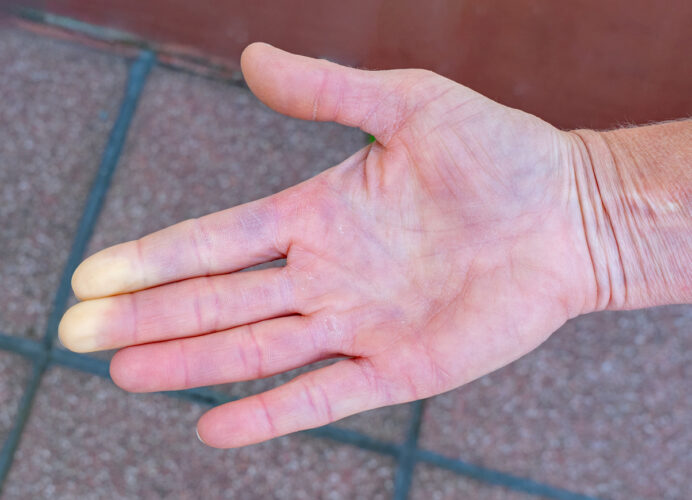
Reynaud’s is a common condition where the blood supply to the fingers and toes is reduced for a short time, often because of the cold. The skin may turn pale or blue and feel painful, numb or tingly, and some people find their ears, nose, or lips are affected too.
Wearing thick gloves and warm socks, using hand warmers and avoiding sudden changes in temperature can help keep symptoms under control. Regular exercise can also support good circulation, and if symptoms are hard to manage, or you’re worried they may be linked to another condition or a medicine, speak to your GP.
Arthritis and joint pain
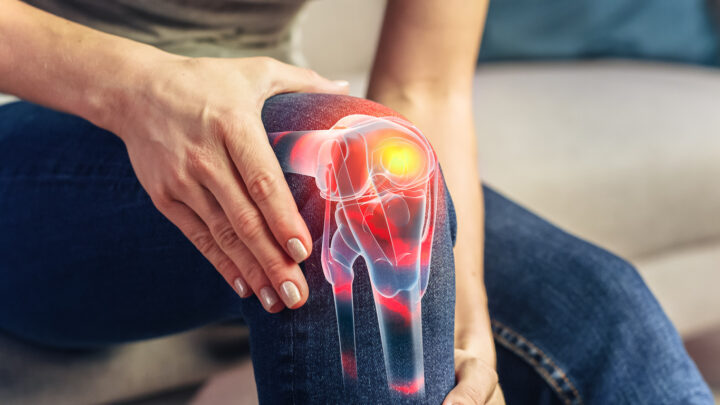
Arthritis affects more than 10 million people in the UK, and many say their pain and stiffness feel worse in winter. Scientists still don’t fully understand why, but knowing that cold weather affects you can help you plan ahead.
Staying active is one of the best ways to ease joint pain, and indoor activities such as swimming, yoga and tai chi are good options when it’s too cold outside. Keep your home warm, wear loose layers, try warm socks or heated slippers, and consider taking a daily vitamin D supplement of 10 micrograms, as the NHS advises during autumn and winter.
Eczema and dry skin
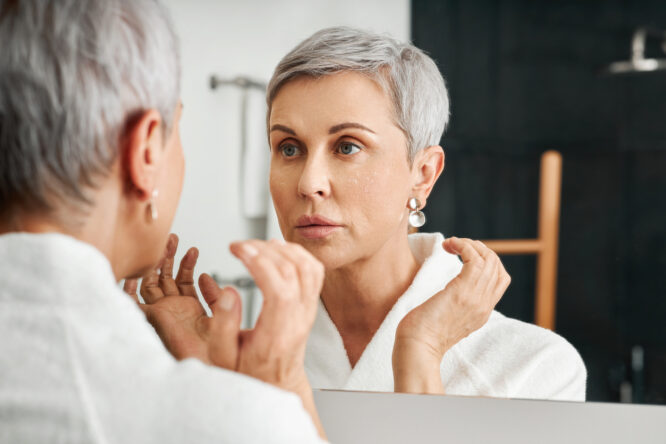
People with eczema usually have dry skin already, and winter can make it even harder to manage. Changes in temperature between seasons are one of the most common triggers for flare-ups, along with stress and certain soaps and shampoos.
You may need to apply moisturising creams or ointments more often in winter, paying extra attention to your face and hands. Placing a bowl of water near radiators can help add moisture to the air, opening windows briefly each day can reduce damp and dust mites, and choosing soft, cotton clothing can stop scratchy fabrics irritating your skin.
Low mood and seasonal affective disorder

Shorter days, colder weather and spending more time indoors can leave many people feeling a little down in winter. Getting less exercise and fresh air can also affect sleep, energy, and mood.
For some, these feelings are more serious and may be a sign of seasonal affective disorder, a type of depression linked to the changing seasons. Getting outside in daylight each day, exercising regularly and staying in touch with friends and family can help, but if low mood is impacting your daily life, speak to your GP about treatment.
Headaches and migraines

Changes in air pressure, such as when rain or snow are on the way, can trigger headaches and migraines in some people. Many of us also drink less water in winter, and dehydration is a common trigger.
Sticking to a regular routine for sleep, meals, and exercise can help, as changes in routine can bring on headaches for some people. Drinking plenty of water, limiting alcohol and keeping a diary of when headaches happen can help you spot your triggers, and keep your usual medicine to hand if winter weather tends to affect you.
Heart conditions

Cold weather makes blood vessels narrow, which raises blood pressure and makes the heart work harder. It can also make the blood thicker and stickier, which can increase the risk of heart attack and stroke for some people.
Wrap up warmly in layers, keep the room you spend most time in heated to around 18 °C and keep taking your medicines as prescribed. If you have angina, always carry your spray and wear a scarf loosely over your mouth and nose in cold air, and think about exercising indoors on very cold days.
Staying well through winter
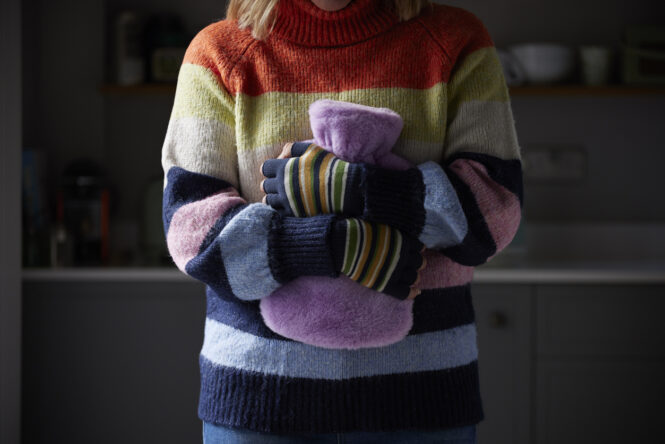
Eating a balanced diet, staying active, getting outside in daylight and keeping up with recommended vaccines can all help you stay healthier during the colder months. If you have mobility problems, it may be safer to stay indoors on icy days, and checking in on older relatives, friends, and neighbours can make a real difference.
Don’t assume a big change in your symptoms is simply down to the weather, and speak to your GP or pharmacist if things are getting worse. For urgent problems, call NHS 111, and in a life-threatening emergency, call 999, while charities such as Asthma + Lung UK, the National Eczema Society and the British Heart Foundation offer free advice and support.