
If you’re planning a Christmas market trip or a winter sun holiday, you’ll want to check your passport before you book anything.

Every year, thousands of holidaymakers face the nightmare of being turned away at the departure gate simply because their passport falls foul of entry rules, even when it still looks completely valid on paper. Getting caught out at check-in is a brutal way to start a trip, especially when a quick glance at two specific dates could have saved the whole holiday.
The requirements for visiting Europe have become far stricter since Brexit, and new digital border checks are currently rolling out across the Schengen area to complicate matters further. Before you start packing your suitcase or booking airport parking, it pays to double-check the exact fine print. These are the passport dates you need to verify, how long a renewal takes right now, and what extra paperwork you might need before heading away this winter.
The two dates to check for Europe

If you’re travelling to an EU country such as Spain, France, Germany or Italy, or to Iceland, Norway or Switzerland, your passport needs to meet two rules. First, it must have been issued less than 10 years before the day you arrive. Second, it must be valid for at least three months after the day you plan to leave. You’ll find both the date of issue and the expiry date on your passport’s photo page. Check both, as your passport can be in date and still fail one of these rules.
The 10-year rule catches people out.

Before October 2018, the Passport Office added any time left on your old passport, up to nine months, to your new one when you renewed early. That means some passports have an expiry date more than 10 years after their date of issue.
The UK government warns that passports renewed before 1 October 2018 may not meet the 10-year rule, even if they’re still in date. If your passport was issued more than 10 years ago, it won’t be accepted for travel to the EU, whatever the expiry date says.
Counting your three months isn’t straightforward.
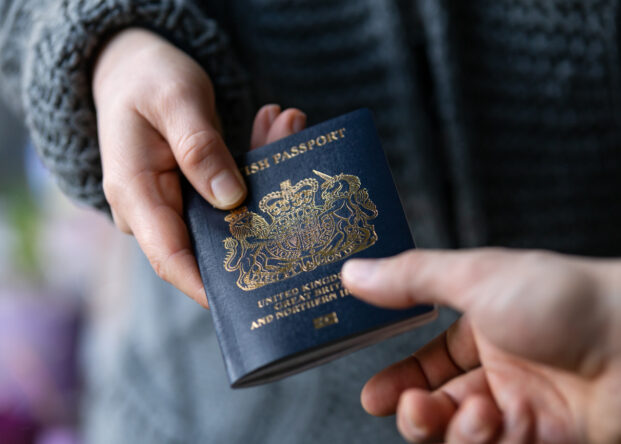
The three-month rule is about the day you leave, not the day you arrive. So if you’re flying home from a Christmas market trip on 14 December, your passport needs to be valid until at least 14 March. If you’re going away more than once this winter, check the dates against your last trip as well as your first. It’s easy to forget that a spring holiday may also be affected.
The 90-day rule must be followed.

As a UK visitor, you can stay in the Schengen area for up to 90 days in any 180-day period without a visa. The 180-day period rolls, so every day you’ve spent in Schengen countries over the last six months counts towards your 90 days. For most short winter breaks, this won’t be a problem, but if you spend a lot of time in Europe, for example at a holiday home, it’s worth keeping track of your days.
New border checks are being introduced.

The EU’s new Entry/Exit System, known as EES, is being introduced across the Schengen area. The first time you travel, you’ll be asked to have your fingerprints scanned and your photo taken at the border, which is free. Children aged 11 or under won’t need to give fingerprints but may have their photo taken. Your record lasts three years, so you won’t need to register again each time. The UK government says to expect longer queues at the border, so allow extra time, especially at busy times such as the start of the Christmas holidays.
What else border staff might ask for

When you arrive in a Schengen country, border staff may ask to see a return or onward ticket, and proof of where you’re staying, such as a hotel booking. They may also ask whether you have enough money for your stay and travel insurance. Keep these details easy to find, either printed or on your phone. If you’re staying with family or friends, you may need their address and, in some countries, an invitation letter.
ETIAS is on the way.
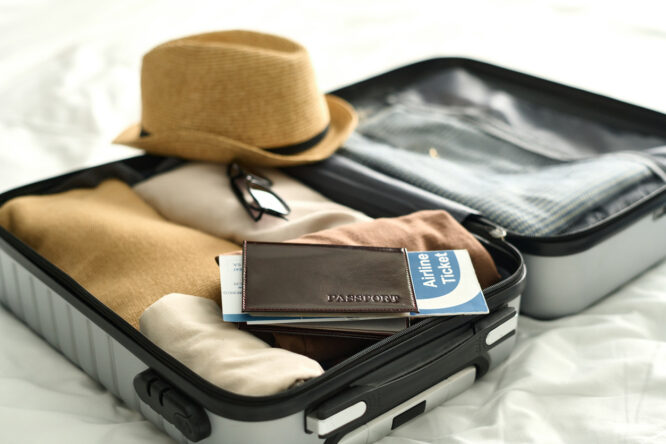
The EU is also planning to bring in a travel authorisation called ETIAS for visitors from countries that don’t need a visa, including the UK. Once it starts, you’ll need to apply online and pay a small fee before you travel. It hadn’t launched at the time of writing, so check GOV.UK for updates before you travel. When it does start, only use the official EU website, as unofficial sites may charge extra.
Travelling further afield means following different rules.
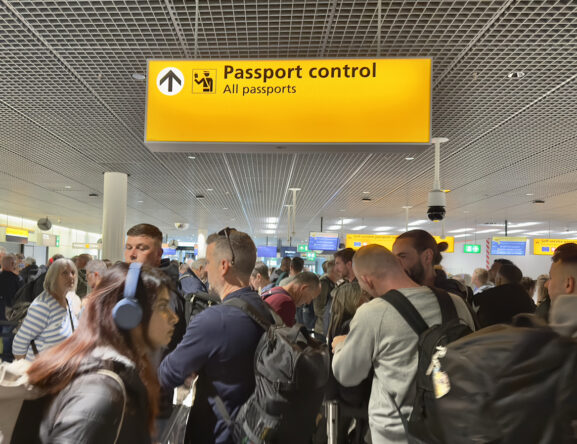
If you’re heading to the US, you’ll need an ESTA, an online travel authorisation, before you fly, unless you have a visa. Your passport needs to be valid for the whole length of your stay. Other countries have their own rules, and some need your passport to be valid for six months after you arrive. Always check the entry requirements on the GOV.UK foreign travel advice page for the country you’re visiting.
How long a renewal takes
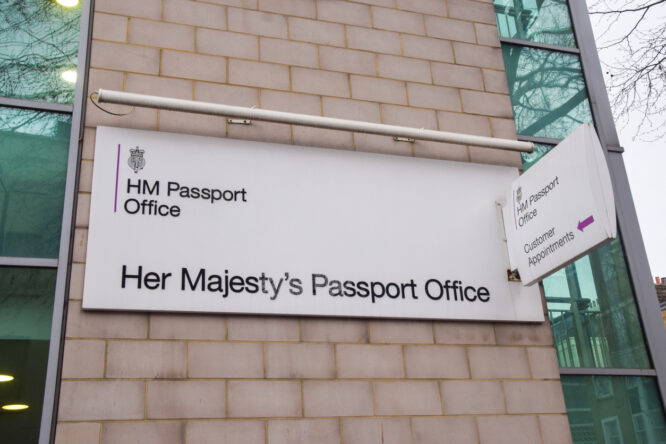
If your passport needs renewing, apply as soon as you can. HM Passport Office says you’ll usually get your new passport within three weeks of it receiving your application, although it can take longer if more information is needed. Renewing online costs £102 for an adult, or £115.50 with a paper form. If you need it faster, a one-week Fast Track service costs £192 for an adult, and a one-day Premium service for adult renewals costs £239.50.
Don’t book until it arrives.

The government warns against booking travel until you have a valid passport, as your new passport will have a different number from your old one. Airlines often need your passport number when you book or check in, and a mismatch can cause problems. If you’ve already booked, update your passport details with your airline or travel company as soon as your new passport arrives.
Check your passport today to avoid delays or serious disappointments.

Take your passport out now and look at the date of issue and the expiry date. If it was issued more than 10 years ago, or will expire within three months of your return, renew it before you book your trip. Then check the entry rules for where you’re going on GOV.UK. A couple of minutes now could save you from being turned away at the airport.