When LGBTQIA+ people step into faith communities, they often bring more than just their presence.
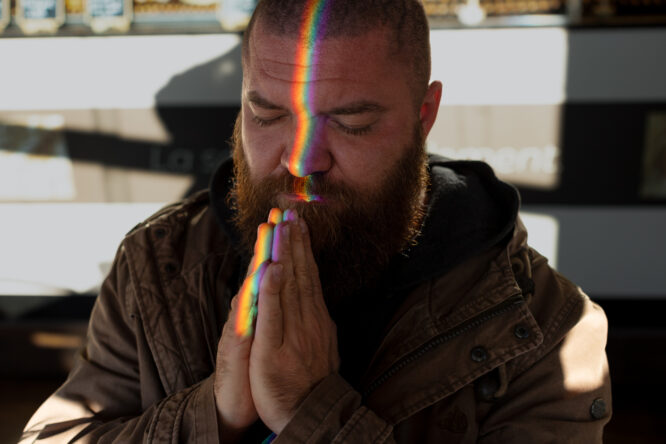
They also bring perspective, compassion, resilience, and a challenge to old ways of thinking. For years, many religious spaces shut them out, but where inclusion is growing, so is depth, honesty, and a fuller understanding of what it means to love and connect. These contributions don’t just benefit queer members—they benefit everyone involved. Here’s what LGBTQIA+ people bring to faith communities that was often missing before.
1. A deeper understanding of acceptance
LGBTQIA+ people know what it feels like to be excluded, judged, or told they’re not welcome—and because of that, they often bring a genuine spirit of acceptance into spaces that need it. This isn’t just about tolerance. It’s about embracing people as they are, without trying to edit or fix them to fit a mould.
That kind of radical acceptance shifts the energy of a faith community. It softens the sharp edges of judgement and turns religious spaces into safe spaces—not just sacred ones.
2. An honest relationship with spiritual doubt

Many members of the LGBTQIA+ community have had to wrestle with their faith. They’ve questioned how a God who is said to love unconditionally could be used to justify exclusion. That struggle breeds a type of honesty that can deepen a whole community’s understanding of faith. Instead of blind devotion, there’s space for wrestling with hard questions. And that vulnerability opens doors for other people, straight or queer, to admit their own doubts and complexities.
3. A lived commitment to love over legalism
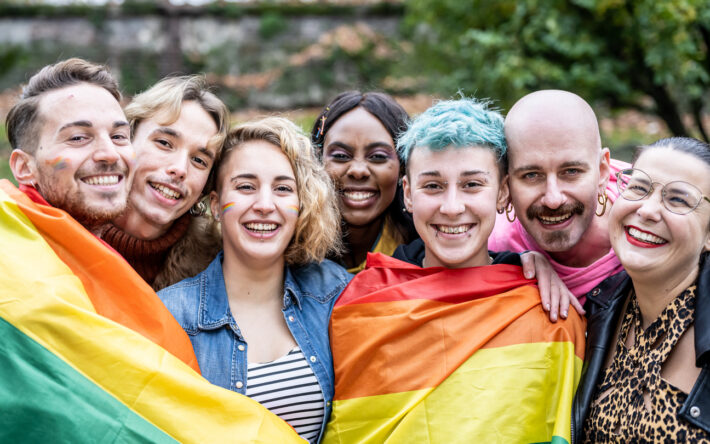
For people who’ve been harmed by rigid religious rules, the idea of love being greater than law isn’t just theory—it’s survival. LGBTQIA+ people often return to or engage with faith because they believe in the heart of it, not just the rules written in ink. They tend to push faith communities toward deeper compassion, challenging them to prioritise people over policy. This can lead to a more human, more heartfelt version of spirituality for everyone involved.
4. Resilience that inspires the whole community

Living openly as LGBTQIA+, especially in religious environments, requires courage. Resilience like that sets an example for other people to be honest, to be brave, and to keep showing up even when things are tough. It’s not about being strong for applause—it’s about being real in spaces where being real hasn’t always been safe. That authenticity invites other people to drop the mask as well.
5. A challenge to inherited prejudice
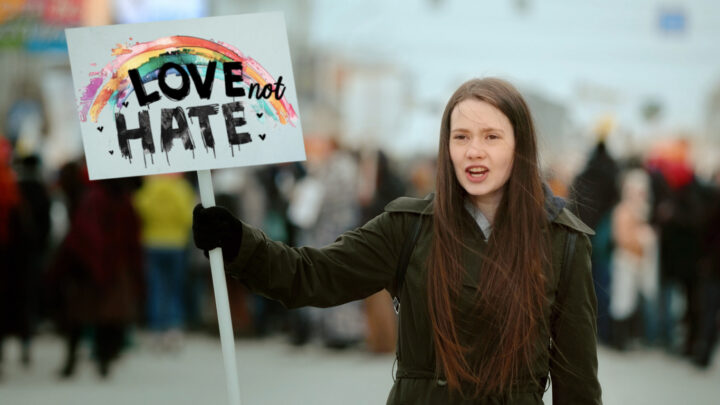
Sometimes faith traditions inherit bias without even realising it. LGBTQIA+ inclusion can be a mirror—one that reflects which teachings are rooted in love, and which ones might actually be fear or control dressed up as doctrine. Having queer voices in the room pushes communities to think critically, re-examine scripture, and ask who gets hurt when we stop asking questions. That kind of self-reflection strengthens faith, rather than threatens it.
6. A broader definition of family.
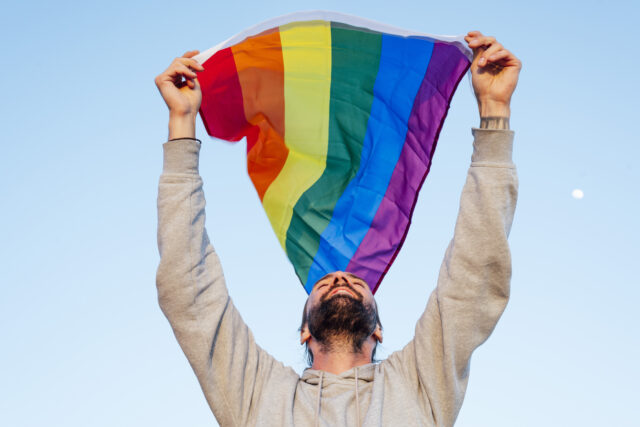
LGBTQIA+ people often create chosen families—support systems built from care, not bloodlines. That concept has a lot to offer traditional faith groups, where family is sometimes narrowly defined by roles and rules. Bringing in new models of family encourages faith communities to value connection, not just conformity. It shows that love isn’t less valid just because it looks different.
7. A culture of radical hospitality

When you’ve been the outsider, you tend to notice who else is being left out. Queer people often lead the way in creating welcoming environments—not because it’s trendy, but because they know how much it matters. This shows up in everything from inclusive language to who gets a seat at the table. The move toward hospitality can completely transform the way a community operates.
8. A refusal to separate the sacred from the personal
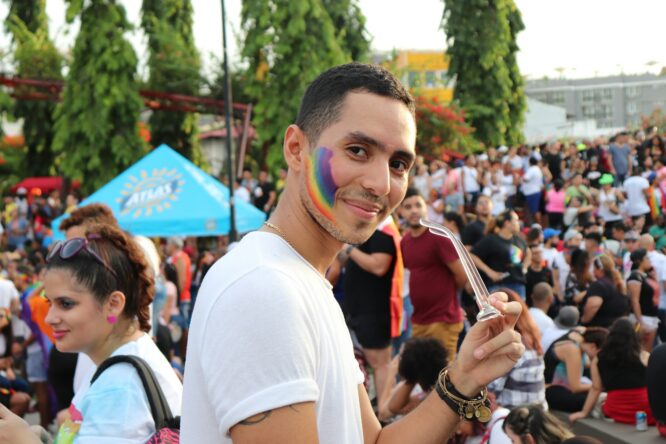
LGBTQIA+ people often approach spirituality as something deeply personal, because for many, it couldn’t be inherited without pain—it had to be rebuilt. That makes their spiritual lives rich, intentional, and deeply felt. That personal approach invites everyone else to stop going through the motions and start asking, “What do I really believe, and why?” It helps make religion feel alive again, rather than just routine.
9. A spotlight on how gender and roles are handled
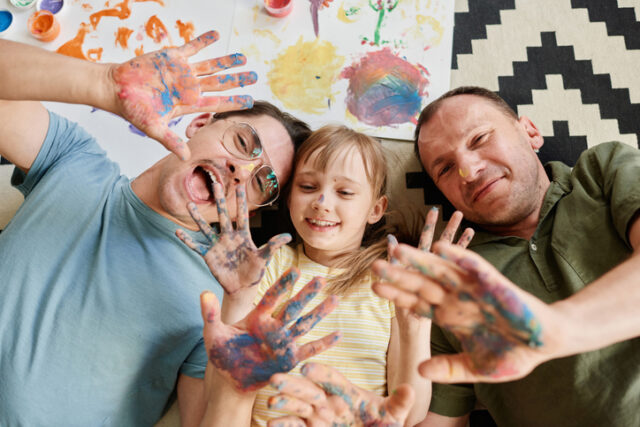
Faith communities often come with built-in assumptions about what men and women should do or be. LGBTQIA+ inclusion challenges those binaries and asks: why are we still doing this the old way? That question can feel uncomfortable at first, but it opens space for a healthier balance of roles, gifts, and leadership—where people are valued for who they are, not the gender box they were placed in.
10. A creative spirit that breathes life into tradition
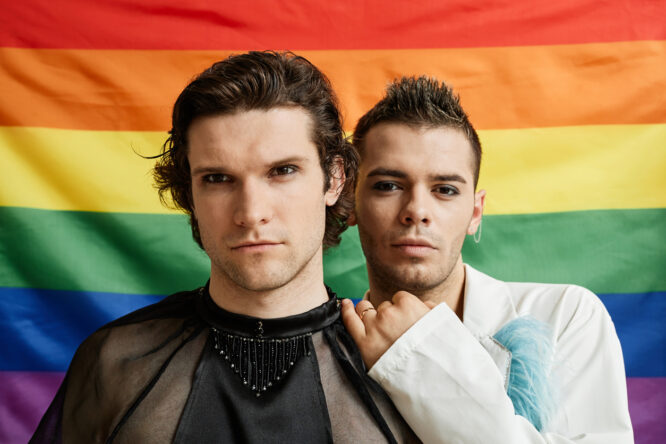
Queer people are often natural innovators, and when they bring that creativity into faith communities, it can rejuvenate old traditions in fresh, meaningful ways. Whether it’s through art, music, ritual, or community building, they help reimagine what spirituality can look and feel like. That doesn’t mean throwing out the past—it’s about infusing it with relevance, energy, and colour. It helps prevent stagnation and keeps sacred spaces evolving instead of stuck.
11. A challenge to the idea that pain equals holiness
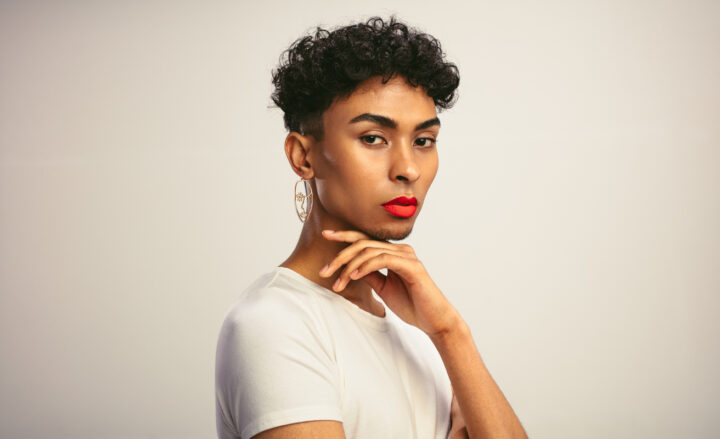
In some faith spaces, suffering has been glorified, especially for those seen as “different.” LGBTQIA+ voices challenge this narrative by asserting that joy, pleasure, and freedom are also sacred. This helps move the focus from enduring hardship to cultivating wholeness. It’s not about ignoring pain—it’s about refusing to believe it’s the only path to goodness.
12. New language for old experiences
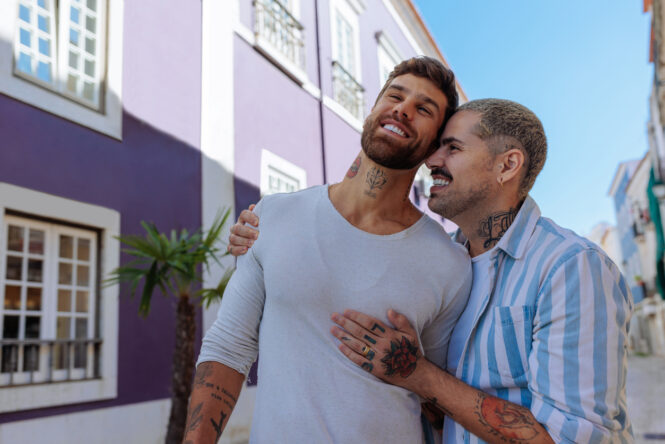
Queer communities often develop their own ways of expressing love, identity, connection, and transformation. When those voices join faith conversations, they bring fresh language that helps make old truths feel more human and relatable. That new vocabulary doesn’t dilute the message—it enriches it. It helps more people find their place in the story without feeling like they have to rewrite themselves to belong.
13. A call to live the values, not just preach them
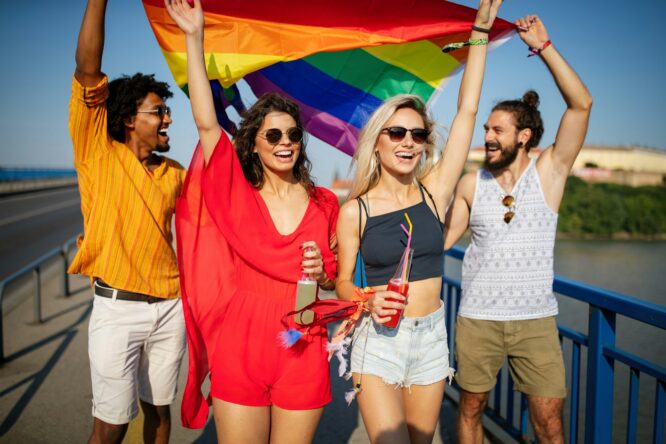
Including LGBTQIA+ people isn’t just a diversity checkbox—it’s a living test of a faith community’s values. It asks: do we really believe in love? Do we really want to welcome everyone? Queer inclusion holds faith groups accountable to their highest ideals. It challenges communities to match their words with action, and when they rise to that challenge, everyone benefits.