For footy fans, it doesn’t get much bigger or more exciting than the World Cup.

Following England at the most prestigious of global competitions has always been expensive, but new estimates suggest the cost has reached a level that’s starting to price out a lot of fans completely. What might sound like a once-in-a-lifetime trip is now shaping up to be something that only a small number of supporters can realistically afford, especially once you break down what it actually costs to attend all three group-stage matches.
It starts with flights, and the costs start adding up quickly from there.

The first major expense is simply getting there. For England’s opening match in Dallas, return flights from the UK are already being priced at around £700, per LBC, even when looking at relatively basic options. That’s before factoring in baggage, seat choices, or any upgrades that many travellers end up adding.
And that’s just the beginning. Because England’s group matches are spread across different cities, fans aren’t staying in one place. That means multiple flights across the US, each adding to the total cost before you’ve even considered accommodation or tickets.
Tickets are where the biggest jump happens.

While official ticket prices for World Cup matches can start relatively low, the reality most fans face is very different. High demand means resale prices are already climbing well beyond those original figures.
For England’s opening game, tickets are being listed for over £1,000 on resale platforms, even though some were initially available for a fraction of that. That gap between official pricing and what fans actually pay is one of the biggest reasons the overall cost feels so high.
Moving between cities adds another layer of expense.
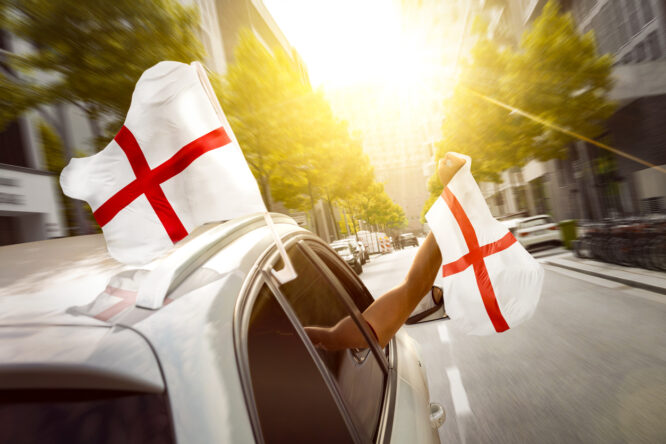
After Dallas, fans would need to travel to Boston for the second match, with flights costing roughly £200. Then comes the final group game in New York, which involves another journey, even if that leg is slightly cheaper at around £70.
On paper, those individual costs don’t look overwhelming, but when you stack them together, they quickly add hundreds to the total. It’s not just the ticket to the World Cup, it’s the cost of following a team across a country as large as the United States.
Having a roof over your head throughout the competition pushes the total even higher.

Hotels and short-term stays are another major factor. Prices tend to rise sharply around major sporting events, especially in cities hosting high-demand matches. Even basic accommodation, spread across multiple cities, can add several hundred pounds to the trip. In places like New York, where prices are already high, even modest options can increase the overall cost considerably.
The full group stage cost is close to £5,000.

When you combine flights, match tickets, accommodation, and day-to-day spending, the total for attending all three group-stage matches comes in at around £4,953 per person—and sadly, that figure is based on relatively conservative estimates. It doesn’t fully account for extras like insurance, food upgrades, or unexpected costs, all of which tend to come up during a trip of this scale.
That’s before the knockout stages even begin.

The biggest reality check is that this figure only covers the group stage. If England progress further in the tournament, fans who want to keep following them would need to spend even more. Additional flights, new accommodation bookings, and even higher ticket prices for knockout matches mean the total could rise significantly. What starts as a £5,000 trip could easily go well beyond that.
It’s no wonder more fans are starting to feel priced out.
For many supporters, this level of cost is simply not realistic. Following your national team has always involved some expense, but the scale of it now is pushing it out of reach for a lot of people. The combination of rising travel costs, high demand for tickets, and the structure of the tournament itself means attending in person is becoming less accessible. It’s not just about saving up, it’s about whether it’s financially possible at all.
It highlights a wider shift in major sporting events.

This isn’t just about one tournament. It reflects a broader trend where major global events are becoming more expensive to attend in person, particularly for travelling fans. As costs rise, the experience increasingly switches gears towards those who can afford the full package. For everyone else, watching from home is becoming the default, even for events that once felt more within reach.
The fan experience is quite different as a result.

Part of what makes tournaments like the World Cup special is the presence of travelling fans, the atmosphere they bring, and the sense of shared experience. However, when fewer supporters can afford to be there, that dynamic starts to change. It becomes less about mass support and more about smaller groups who can manage the cost, which alters the feel of the event itself.
Many fans are weighing up whether it’s worth it.
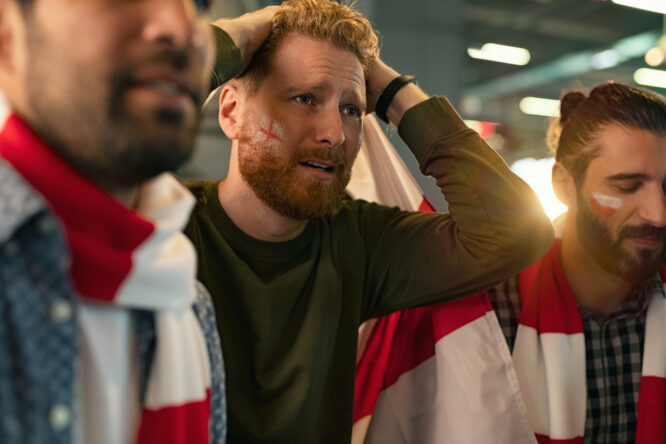
For those considering the trip, it becomes a question of value as much as affordability. Is the experience worth several thousand pounds, especially when costs can keep rising? For some, the answer will still be yes. But for many others, it’s becoming harder to justify, particularly when the financial commitment is so high before the tournament has even properly begun.