For nonbinary and trans people, they know all too well how painful and even scary it can be when people don’t “get it” or accept their reality.

Gender dysphoria describes the distress that can occur when someone’s internal sense of gender doesn’t align with the sex they were assigned at birth. It’s more than just feeling uncomfortable with gender roles or stereotypes, but a deeper psychological discomfort with one’s physical body and how other people their gender. Here’s what it really is and why it’s important we talk about it more.
1. It’s tied to internal identity, not external preferences.

Gender dysphoria has nothing to do with liking certain clothes, activities, or behaviours typically associated with another gender. It’s a persistent feeling that your body and the gender you were assigned don’t match who you know yourself to be internally.
Don’t confuse gender dysphoria with simply enjoying things society considers “opposite gender” activities. Someone can love traditionally feminine or masculine things without experiencing dysphoria about their actual gender identity.
2. Not all transgender people experience it the same way.

Some trans people have intense physical dysphoria about their bodies, but others feel more social dysphoria about how they’re perceived, and some experience both or neither. There’s no universal transgender experience or required level of distress.
Avoid assuming that all trans people have the same relationship with dysphoria, or that intense dysphoria is required to “qualify” as transgender. People’s experiences with gender identity are diverse and valid, regardless of distress levels.
3. It often starts in childhood, but isn’t always obvious.
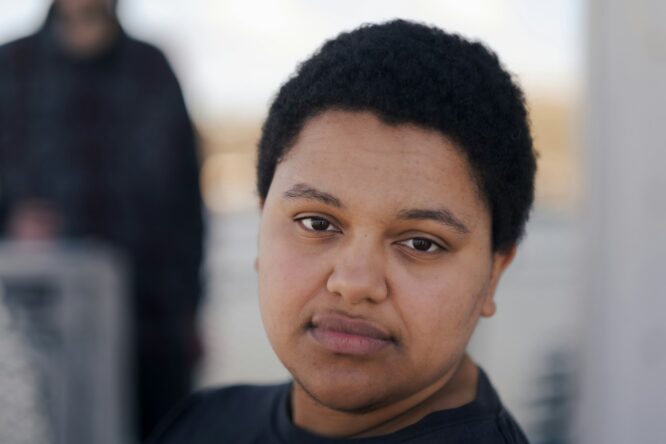
Many people report feeling “different” about their gender from a young age, but societal pressure and lack of language often makes this hard to recognise or express. Some children are very clear about their identity, while others suppress or hide these feelings.
Remember that not having obvious childhood signs doesn’t invalidate someone’s gender identity. Many people don’t have the words, safety, or awareness to understand their feelings until much later in life.
4. Physical symptoms are real and measurable.
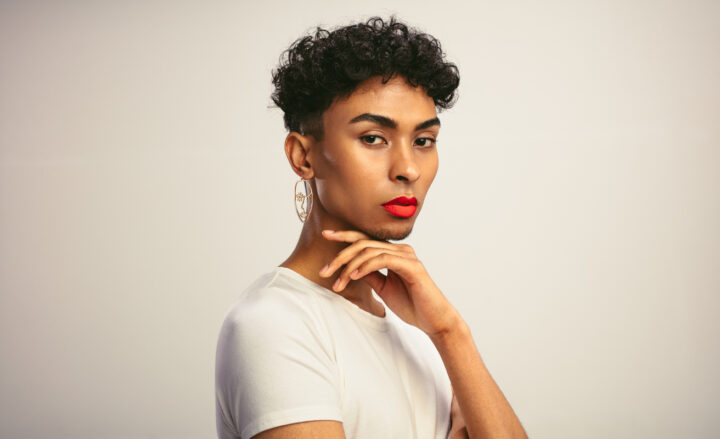
Gender dysphoria can cause genuine physical discomfort including nausea, anxiety, depression, and panic attacks when confronted with aspects of one’s assigned gender. These aren’t imaginary or attention-seeking behaviours but real psychological distress.
Take physical symptoms of dysphoria seriously, rather than dismissing them as overreaction or manipulation. The mind-body connection means psychological distress often manifests as physical discomfort.
5. It’s recognised as a medical condition.

Gender dysphoria is included in diagnostic manuals like the DSM-5, which helps ensure people can access appropriate healthcare and support. However, being transgender itself isn’t considered a mental illness, just the distress that sometimes accompanies it.
Understand that medical recognition serves practical purposes for accessing care, rather than labelling transgender identity as pathological. The focus is on treating distress, not changing someone’s gender identity.
6. Social dysphoria can be just as intense as physical dysphoria.

Being misgendered, having to use the wrong bathrooms, or being forced into gender roles that don’t fit can create severe emotional distress. This social aspect of dysphoria is about how other people see and treat you based on gender.
Respect people’s pronouns and gender presentation rather than focusing only on physical aspects of transition. Simple social recognition can significantly reduce dysphoria for many people.
7. Treatment approaches vary widely.

Some people find relief through social transition, but others need medical interventions like hormones or surgery, and many use combinations of approaches. There’s no one-size-fits-all treatment because dysphoria affects people differently.
Support whatever approach works for the individual, rather than assuming you know what they need. Treatment decisions should be made between patients and qualified healthcare providers based on individual circumstances.
8. It can fluctuate over time.

Dysphoria isn’t always constant or severe. Some people experience waves of intense discomfort followed by periods of relative calm, while others have consistent low-level distress that occasionally spikes.
Don’t expect dysphoria to follow predictable patterns or use fluctuation to question someone’s identity. Like many psychological experiences, it can vary based on circumstances, stress levels, and life events.
9. Early support makes a huge difference.

When young people experiencing gender dysphoria receive family support and appropriate care, their mental health outcomes improve dramatically. Rejection and lack of support significantly increase risks of depression, anxiety, and self-harm.
Offer acceptance and support to young people exploring gender identity rather than dismissing their feelings as phases. Professional guidance can help families navigate these situations appropriately.
10. It affects daily functioning.

Severe dysphoria can interfere with school, work, relationships, and basic self-care. Some people avoid mirrors, photos, or social situations because of intense discomfort with their gender presentation.
Recognise that dysphoria can be genuinely debilitating rather than just an inconvenience or preference. When it significantly impacts someone’s ability to function, professional support becomes especially important.
11. Cultural factors influence expression.

How gender dysphoria manifests depends partly on cultural context and available language for gender identity. Some cultures have broader concepts of gender that might make dysphoria less prominent or differently expressed.
Consider how cultural background might shape someone’s understanding and expression of gender identity. What looks like dysphoria in one cultural context might be understood differently in another.
12. Mental health support is crucial.

Therapy can help people understand their feelings, develop coping strategies, and navigate decisions about transition. However, the goal isn’t to change someone’s gender identity, but to support their mental health and wellbeing.
Seek therapists who are knowledgeable about gender issues and affirming rather than conversion-focused. Good therapy supports people in understanding themselves, not changing fundamental aspects of their identity.
13. Family dynamics affect outcomes significantly.

Supportive families dramatically reduce the mental health risks associated with gender dysphoria, while rejection increases dangers substantially. Family therapy can help everyone adjust and communicate effectively.
Focus on maintaining relationships and providing emotional support rather than trying to change your loved one’s gender identity. Professional family counselling can help navigate these challenging dynamics.
14. Research continues to evolve understanding.

Scientists are still studying the causes and mechanisms behind gender dysphoria, exploring everything from brain structure to hormone exposure to genetic factors. Current understanding continues developing as more research becomes available.
Stay informed about current research rather than relying on outdated information, but remember that individual experiences matter more than general statistics. Each person’s situation is unique, regardless of what studies might suggest.