After “cortisol face” and “Ozempic face” had their turn dominating everyone’s feeds, the latest buzzword sweeping across social media is “ferritin face”.

The claim is simple enough: influencers and self-styled wellness experts insist you can diagnose dangerously low iron stores just by catching your reflection in the bathroom mirror. Videos racked up millions of views pointing out everything from pale, dull complexions and dark under-eye circles to dry skin and thinning hairlines as dead giveaways for the deficiency.
To be fair, there’s a small grain of medical truth buried beneath the TikTok panic, but the reality behind your iron levels is far more complicated than a 30-second clip makes out, and self-diagnosing your blood chemistry in front of a ring light usually causes more confusion than clarity.
What is “ferritin face”?

Ferritin is a protein that helps your body create, store and release iron, so low ferritin levels usually mean your overall iron is running low too. While “ferritin face” isn’t a real medical diagnosis, it does describe a look commonly seen in people with reduced iron stores, including a pale or washed out complexion, dark circles, dry or dull skin, and cracked lips.
Pale skin specifically can be linked to iron deficiency anaemia, since there’s less haemoglobin available in the blood to give it its usual colour. That said, all of these changes can have plenty of other causes too, from dehydration to hormones, or simply getting older, so appearance alone can’t confirm a deficiency. Here are some of the other warning signs that mean you may want to reach out to your GP for advice or a blood test.
Feeling constantly exhausted

Needing an extra lie-in after a hectic week is normal. Feeling so drained that everyday tasks become truly difficult is a different matter entirely. Iron is essential for making haemoglobin, the protein in red blood cells that carries oxygen around your body, so a deficiency can leave you feeling persistently tired and low on energy.
According to one nutritionist, many symptoms of low iron are easy to miss because they tend to develop gradually rather than suddenly. People might notice they’re struggling to concentrate or finding everyday tasks more draining, without necessarily linking it back to their diet. Note that fatigue isn’t unique to iron deficiency either, since conditions like other forms of anaemia, an underactive thyroid, chronic kidney disease, or sleep apnoea can all cause similar tiredness.
Breathlessness or a racing heart

Shortness of breath and heart palpitations are also linked to low iron, again tied to how the nutrient interacts with haemoglobin. If you’re iron deficient, your blood may not be carrying enough oxygen to your muscles for everyday activities like walking. Your body compensates by breathing faster to take in more oxygen, and increasing your heart rate to help move that oxygen around more quickly.
Even so, unexplained breathlessness or ongoing heart palpitations shouldn’t automatically be put down to low iron alone, since these symptoms can stem from several other causes and are always something to discuss with a GP.
Headaches

The NHS lists headaches as a common symptom of iron deficiency anaemia, with some research pointing to iron’s role in producing serotonin, a brain chemical linked to migraines, as a possible explanation.
Headaches are far from exclusive to iron deficiency though, so having one doesn’t automatically mean your iron is to blame. If headaches are showing up alongside fatigue, breathlessness or other symptoms on this list, it’s important to speak to your GP about a blood test.
Hair thinning or shedding
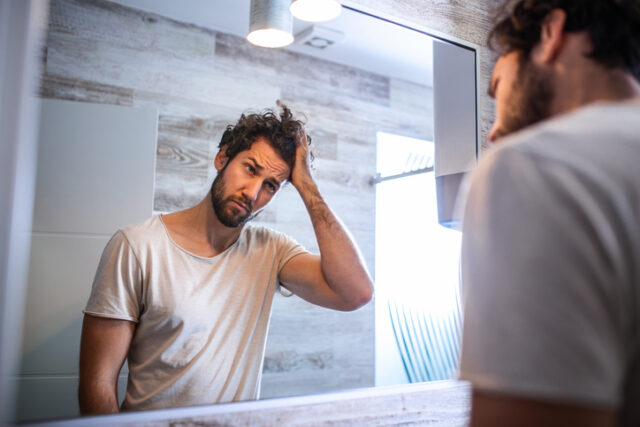
Noticing more hair than usual in your brush or shower drain can be alarming, and iron deficiency is one possible cause. According to a pharmacist and hair loss specialist, low iron can mean less oxygen reaches your hair roots, making it harder for strands to grow strong and healthy.
Hair thinning has plenty of other potential causes too, including hormonal changes, stress, thyroid issues and other nutritional deficiencies. It’s recommended you seek medical advice if hair loss is severe, lasts more than six months, involves bald patches, or comes alongside symptoms like extreme tiredness or unexplained weight changes.
Mouth and tongue changes
Low iron can sometimes show up as small ulcers or cracks at the corners of the mouth, known as angular cheilitis. The NHS also lists changes in how food tastes, difficulty swallowing, and glossitis, where the tongue feels sore or looks red and glossy, among less common symptoms. These symptoms can point to a range of different underlying causes though, so if mouth or tongue issues are persistent, or appear alongside other changes, you should get tested by a GP.
Spoon-shaped nails
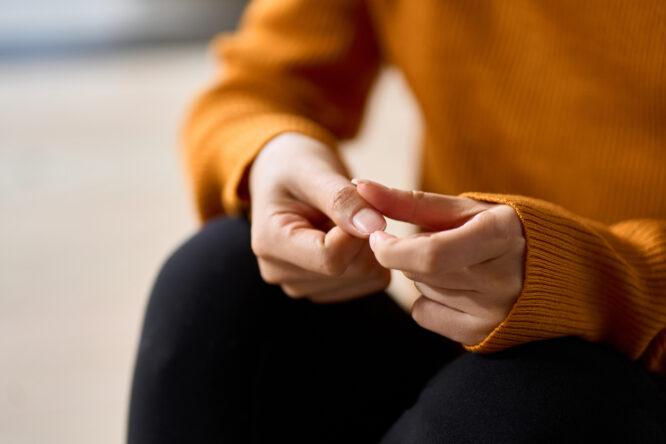
Koilonychia is the medical term for spoon-shaped nails, where the nail develops a flat or slightly concave shape, curving upward at the edges. This can be associated with iron deficiency anaemia, and is something doctors typically consider alongside other symptoms like fatigue or breathlessness.
There are other possible causes too, but once the underlying issue is properly addressed, the nail shape usually corrects itself over time, which is exactly why it’s worth investigating rather than ignoring.
Itchy skin and tinnitus

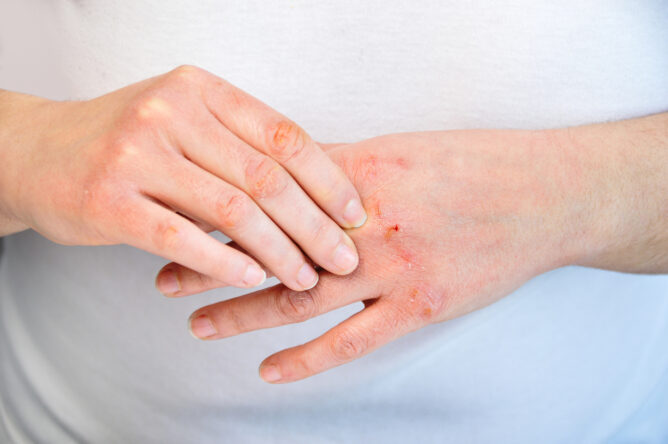
The NHS lists itchy skin as a less common symptom of iron deficiency anaemia, thought to be linked to reduced moisture retention and a weakened skin barrier. Itchy skin obviously has plenty of other causes too, including conditions like psoriasis or eczema, though those tend to come with visible, localised changes like red patches or scaly plaques, whereas itching from low iron tends to be more general, without an obvious rash, and usually accompanied by other symptoms like fatigue and pale skin.
Tinnitus is another often overlooked potential sign of low iron. A 2025 study involving almost 89,000 women with iron deficiency anaemia found a link between the condition and new cases of tinnitus. That doesn’t prove tinnitus is caused by low iron specifically, and more research is needed, but persistent or troublesome ringing in the ears is always important to get checked given how many possible causes it can have.
How much iron you actually need each day

In the UK, the NHS recommends 8.7 mg of iron daily for men aged 19 and over, and for women aged 50 and over. Women aged 19 to 49 need more, at 14.8 mg a day, largely to account for iron lost through menstruation.
Women with particularly heavy periods may lose even more iron and could benefit from supplements, though most people can get enough iron through diet alone. Good sources include red meat, pulses like beans and chickpeas, nuts and dried fruit. Many green vegetables contain iron too, though it’s best eaten alongside vitamin C rich foods to help your body absorb it more effectively. You should also consider cutting back on tea, coffee, dairy, and foods high in phytic acid, like wholegrain cereals, since these can all make iron harder to digest properly.
What to do if you think you’re low on iron

If several of these symptoms sound familiar, the answer isn’t to start taking high dose iron supplements on your own and hope for the best. It’s recommended you speak to your GP if you suspect low iron levels, since they’ll ask about your lifestyle and medical history before likely arranging a blood test to properly diagnose low ferritin.
A full blood count can check for anaemia, while specific ferritin testing helps assess your body’s actual iron stores. It’s also important to identify why your iron is low in the first place, rather than simply replacing it. Heavy periods and pregnancy are common causes, but blood loss from the stomach or bowel is another possibility, which is why a doctor may order further tests, such as a stool test that checks for hidden blood.
It should also be noted that while iron supplements can help in the right circumstances, more isn’t automatically better. Taking excessive amounts can cause constipation, nausea, vomiting and stomach pain, and very high doses can be truly dangerous. If you’re ever unsure, it’s always best to consult a medical professional rather than self-treating.