Sourdough peaked in popularity during the pandemic before the hype largely faded—at least for a little while.
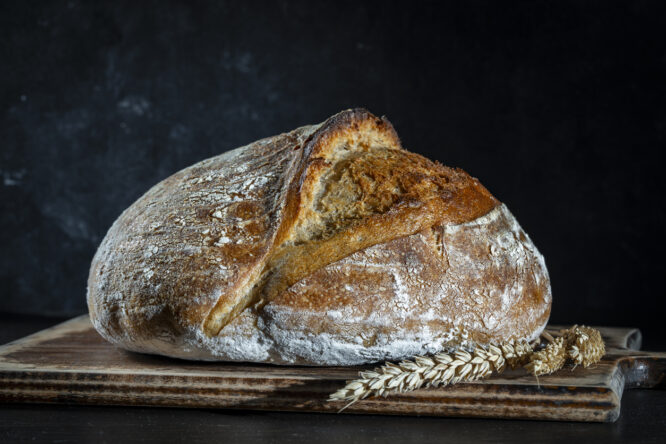
Sourdough is having a real moment on British high streets and supermarket shelves once again, with independent bakeries popping up in towns across the UK, sourdough loaves all over TikTok, and plenty of restaurants leaning into the trend on their menus. There’s also growing interest in fermented foods more broadly for their potential gut health benefits. So, is sourdough really better for you than other breads, or is it simply delicious and more satisfying to bake yourself? We asked nutrition experts to weigh in.
What makes sourdough bread special?
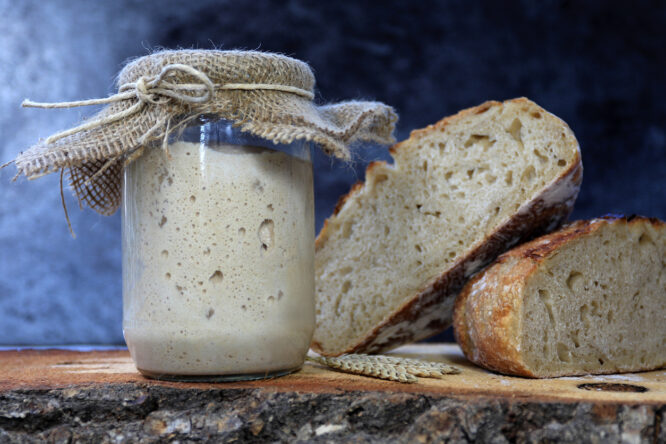
At its simplest, sourdough is made from just three ingredients: flour, water and salt. What sets it apart from other loaves is the fermentation process behind it. That process relies on a sourdough starter, a mixture of flour and water left to ferment, capturing wild yeast and lactic acid bacteria naturally present in the air. This is what gives sourdough its distinctive tangy flavour and chewy texture, while also helping the dough rise naturally without needing commercial yeast.
According to one registered dietitian, rather than using yeast for a quick rise, sourdough relies on a much slower fermentation process using a combination of wild yeast and lactic acid bacteria, which can take anywhere from 12 to 24 hours to develop properly. Done well, the result is a loaf with a crusty exterior, a tender interior, and, depending on who you ask, potentially easier digestion than other breads.
How does sourdough compare nutritionally to other breads?
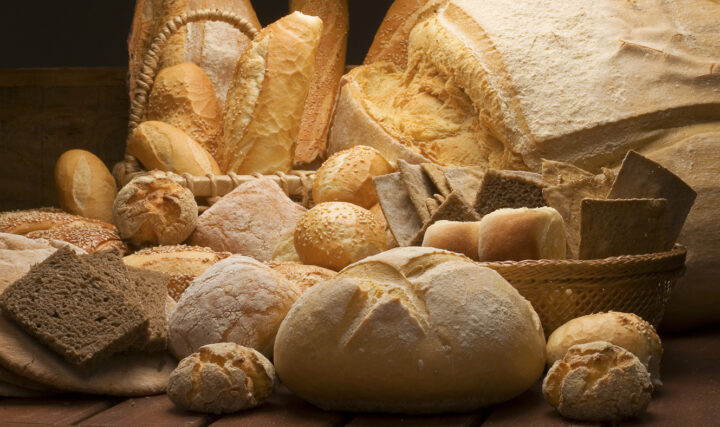
Nutritionally, sourdough is fairly similar to white, wholemeal, or multigrain bread, provided it’s made using a comparable type of flour. According to one registered dietitian, sourdough provides 319 calories per 100g, which is actually more than white bread at 238 calories, wholemeal bread at 252 calories, and wholegrain bread at 265 calories.
It also contains 13g of protein, higher than white bread’s 10.7g and wholemeal’s 12.4g, and roughly in line with wholegrain bread’s 13.4g. On the fibre side, sourdough falls behind, providing just 3.1g compared to white bread’s 9.2g, wholemeal’s 6g, and wholegrain’s 7.4g. Its fat content sits at 2.14g, very close to white bread, but lower than both wholemeal at 3.5g and wholegrain at 4.23g.
Sourdough does stand out in one area.
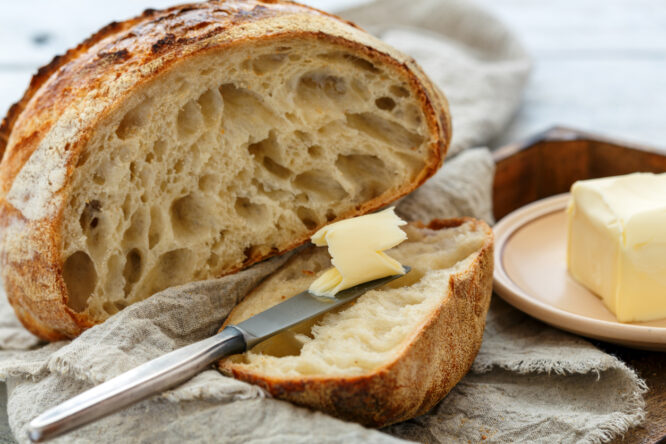
The way sourdough is actually made gives it a few truly beneficial qualities that set it apart from other loaves. The fermentation process creates beneficial bacteria, known as probiotics, which can support gut health. That same fermentation also produces prebiotics, essentially food that helps these healthy bacteria thrive, which can further benefit digestion. On top of that, the fermentation process lowers the bread’s glycaemic index, meaning it causes less of a spike in blood sugar compared to many other breads.
Digestibility is where sourdough really shines.
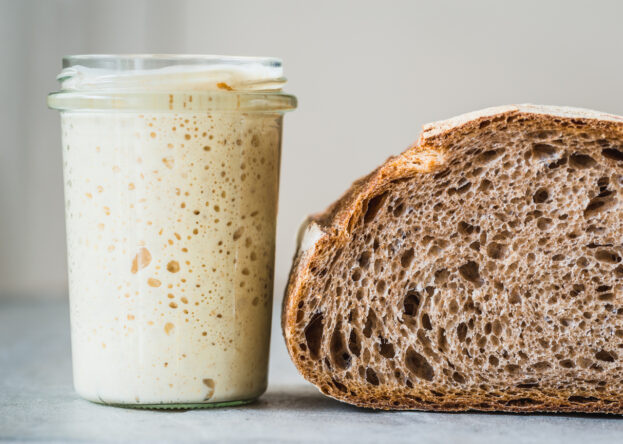
Digestibility is arguably where sourdough offers its biggest advantage. The long fermentation process partially breaks down gluten and starches before you even eat the bread, meaning your gut has less work to do to absorb and digest it. That said, it’s important to be clear that this process doesn’t eliminate gluten entirely.
Some people, particularly those managing IBS, find sourdough easier to tolerate specifically because of this fermentation process, though it still contains gluten regardless. Anyone with coeliac disease should still avoid sourdough entirely. Even though fermentation changes the structure of gluten proteins somewhat, gluten remains very much present in the finished loaf, and will still trigger an autoimmune response in anyone with coeliac disease.
Watch out for supermarket “faux” sourdough.

Not all sourdough sold in shops is created equal. Plenty of supermarket loaves labelled as sourdough are actually hybrids, using a small amount of starter while relying primarily on commercial yeast to do most of the actual work. According to one dietitian, some commercial sourdough is made with standard baker’s yeast rather than true, full fermentation. This shortcut means the finished bread doesn’t deliver the same nutritional or digestive benefits as a properly fermented loaf.
Make sure you check ingredient labels carefully, looking specifically for bread made using wholegrain flours with clear mention of natural fermentation. A genuine sourdough loaf should only list flour, water, salt, and starter as its ingredients. If commercial yeast appears anywhere on the label, it isn’t true sourdough, regardless of what the packaging claims.
How to actually choose a good sourdough loaf

If you’re choosing sourdough specifically for its health benefits and flavour, a loaf made using a long fermentation process and wholegrain flours is certainly your best option. According to one dietitian, the longer the fermentation, the better, with anywhere between 12 and 24 hours typically delivering the strongest benefits.
Sourdough certainly isn’t a miracle food, and it won’t dramatically transform your health on its own. But when made properly, using long fermentation rather than a quick commercial shortcut, it’s a flavourful and nourishing choice that can outshine many other breads found on UK supermarket shelves.