If you’ve noticed your kitchen suddenly smelling like a high-protein canteen, you’ve likely encountered the “boy kibble” phenomenon.
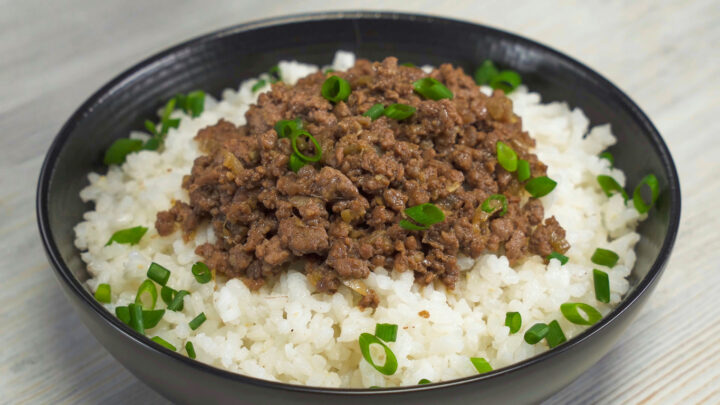
We’re moving away from the complex meal prep and aesthetic garnishes of the past, with a massive number of young men turning to a repetitive, stripped-back fuel source: minced beef and white rice. It is a functional, no-frills approach to nutrition that treats eating like a purely mechanical task for hitting macros, usually served up in a giant bowl that looks exactly like its namesake.
This trend is a pushback against foodie culture of the last decade, with a focus on efficiency and raw results over anything that actually tastes like a proper meal. Whether you think it is a brilliant way to save time or just a bit of a grim way to live, getting a handle on why this specific combination has become the gold standard for the gym bro set is the only way to understand the latest change in wellness culture. Here’s why your younger colleagues are suddenly obsessed with a diet that has all the variety of a bag of dog food.
So what actually is boy kibble, anyway?
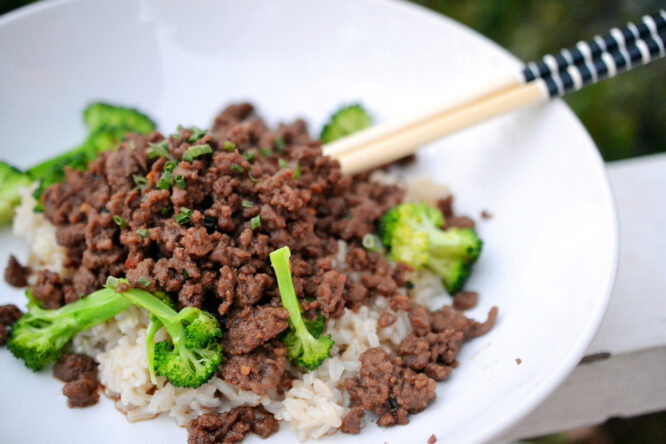
In its most basic form, boy kibble is mince of some sort (usually beef) and white rice. That’s it. Some people add a vegetable, a fat like avocado, or a sauce, but the core idea is a bowl of protein and carbohydrates assembled quickly and eaten without much ceremony. The name is a nod to its appearance, brown and lumpy, and its function, fuel rather than pleasure. It’s not trying to be anything other than what it is, which is partly why it’s caught on.
Where did it come from?

The term spread through fitness and lifestyle content online, largely through young men posting their meal prep and daily eating routines. It sits alongside other viral food naming trends like girl dinner, which described the habit of assembling a plate of random snacks and calling it a meal.
Boy kibble is essentially the inverse, a deliberately simple, protein-heavy bowl built around gains rather than grazing. The branding is new, but the concept is decades old. Bodybuilders have been eating variations of this since long before anyone had a smartphone.
Is it actually healthy?

Nutritionists are largely fine with the concept, with a few caveats. The meal can be a solid option when it balances protein, carbohydrates, fat, and fibre in reasonable amounts. After a workout, the body genuinely does need carbohydrates and protein to recover and build muscle, so a bowl of rice and mince with some added veg is doing a reasonable job of delivering that. It’s cheap, quick to prepare, easy to batch cook, and doesn’t require much decision-making, which suits a lot of people down to the ground.
There’s also something worth saying for the simplicity angle beyond fitness. For people who find meal planning stressful or who struggle with the executive function side of cooking, having a reliable default that ticks the nutritional boxes is genuinely useful. Healthy eating doesn’t have to be complicated or photogenic to be effective.
Where it falls short
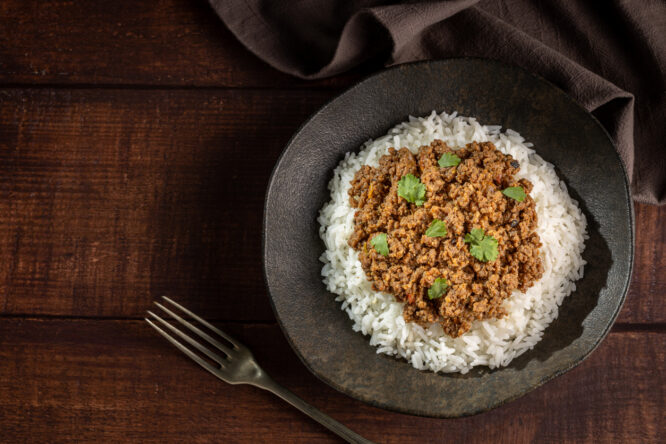
The stripped-back version of just beef and rice leans too hard on protein and refined carbohydrates and doesn’t do much for fibre or the range of micronutrients the body needs to function well. Eating it once a day as part of a varied diet is fine, but making it your entire nutritional strategy is where problems start. The body needs more diversity than one bowl can offer, and over time a limited diet tends to leave gaps that are hard to spot until they become an issue.
There’s also a concern raised by some dietitians around the rigidity that can come with tracking-heavy eating cultures. When every meal is calculated to the gram and any deviation from the plan feels threatening, that’s worth paying attention to. If the idea of adding an unplanned sauce or eating something off-script causes genuine anxiety, the meal itself isn’t really the issue anymore.
The gendered framing is worth questioning

Boy kibble and girl dinner are both funny in the way they name something recognisable, but they also reinforce a fairly tired set of assumptions about how men and women eat. The idea that men need dense, meaty, calorie-rich meals while women subsist on crackers and a bit of brie has been around for a long time and doesn’t reflect how most people actually live or what their bodies need.
Women who lift weights need protein and carbohydrates too. Men who don’t train hard don’t necessarily need a bowl of beef mince every day. Eating is personal, and it varies enormously between individuals regardless of gender, so applying these labels too seriously misses the point.
What makes a better version of the same idea

If the appeal of boy kibble is the simplicity and the function, you don’t have to abandon those things to eat a broader range of nutrients. Swapping white rice for brown or adding a handful of leafy greens already improves the nutritional profile without making the meal any harder to prepare. Turkey mince or chicken thighs work just as well as beef and are cheaper in many cases. Tinned fish, eggs, or pulses are all fast, cheap protein sources that bring more variety into the rotation without requiring any real cooking skill.
A grain, a protein, and some vegetables will always be a solid meal structure. The key is rotating what sits in each category, rather than eating the exact same bowl every day for months. Greek yogurt with fruit and granola, a wrap with black beans and guacamole, or a stir-fry with tofu and noodles all follow the same logic as boy kibble but bring a wider range of nutrients along with them. None of those take much longer to prepare, and they mean your diet isn’t quietly running low on things you won’t notice until later.
The verdict
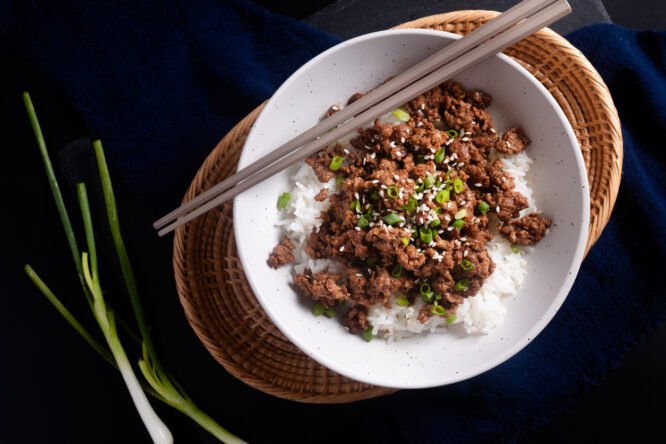
Boy kibble is fine. It’s a practical, relatively cheap meal that does a decent job of fuelling a workout, and there’s nothing wrong with keeping things simple. The trend has picked up partly because it pushes back against the idea that healthy eating has to be elaborate or expensive, which is a reasonable thing to push back against. Most people don’t have the time or the energy to cook something Instagram-worthy three times a day, and a bowl of rice and protein is a lot better than skipping meals or defaulting to something with no nutritional value at all.
The only real advice is not to let simplicity become rigidity. Eating the same thing every day might feel efficient, but variety is what keeps a diet genuinely nutritious over the long term. Use boy kibble as a reliable option in your weekly rotation rather than the only thing in it, add a vegetable or two while you’re at it, and you’ve got a meal that does exactly what it’s supposed to do without any of the downsides.