Food prices are still all over the place in the UK, and we’re all feeling it at the checkout.
What’s frustrating is that it’s not always the big, more overtly pricey items pushing your bill up. A lot of the time, it’s everyday things that look normal on the shelf but come with a surprisingly high markup once you stop and think about it. Some of these are about convenience, some are down to branding, and some are just clever pricing tricks that most shoppers don’t notice in the moment.
Pre-cut fruit and vegetables are charging you for time, not food.
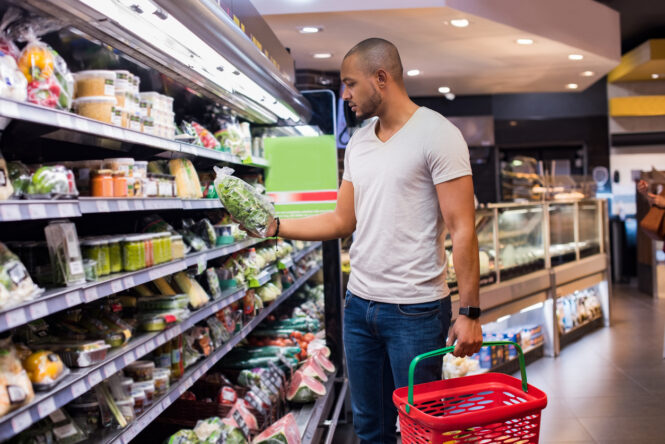
Those neatly chopped tubs of fruit or bags of sliced veg look like a harmless shortcut, especially if you’re busy or just can’t be bothered with prep. The problem is that you’re often paying two, three, sometimes even four times more compared to buying the exact same item whole. A chopped pineapple or pre-sliced peppers can easily cost far more per kilo than the full version sitting right next to it.
There’s nothing wrong with using them now and then, especially if it stops food waste, but as a regular buy, they definitely inflate your weekly spend. Once you get into the habit of checking the price per kilo, it becomes pretty obvious that you’re paying for someone else’s knife skills rather than better quality food.
Coffee pods seem like a small purchase, but the cost adds up quickly.

Coffee pods feel like a minor expense because you’re buying them in small units, but they’re one of the most marked-up items in the average kitchen. Each pod might only be 30 to 50p, but the coffee inside costs just a fraction of that. Over a week or a month, it adds up far faster than most people realise.
That doesn’t mean you need to ditch them completely, but it’s worth knowing what you’re paying for. You’re not just buying coffee, you’re paying for convenience, branding, and the machine system itself. Switching even part of your routine to ground coffee or a cafetière can make a noticeable difference without feeling like a big lifestyle change.
Bottled water is one of the easiest ways to overspend.

In the UK, tap water is safe to drink almost everywhere, yet bottled water still fills supermarket shelves and shopping baskets. The markup here is huge when you compare it to what comes out of your tap, especially for single bottles grabbed on the go.
There are times when bottled water makes sense, but as a regular purchase, it’s hard to justify the cost. A reusable bottle cuts that spend straight away, and once it becomes a habit, it’s one of the simplest ways to stop wasting money on something you already have at home.
Pre-packaged “premium” foods often rely on presentation.

Things like ready-made charcuterie boards, antipasti selections, or gourmet cheese packs look like a step up, but they’re often made from standard products arranged in a more appealing way. The price reflects the packaging and presentation rather than a big jump in quality.
If you buy the same items separately, you’ll usually pay less and get more control over what you’re actually eating. It’s one of those areas where supermarkets lean heavily on convenience and visual appeal, knowing people will pay extra to avoid putting it together themselves.
Bulk deals aren’t always the bargain they claim to be.
It’s easy to assume that bigger packs automatically mean better value, but that’s not always how it works. UK watchdogs have flagged cases where larger sizes actually cost more per unit than smaller ones, even when they’re labelled as deals.
This is where checking the price per gram or per litre really matters. It sounds boring, but it’s one of the quickest ways to spot when something isn’t as good a deal as it looks. Once you get used to scanning that small print, you start seeing through a lot of the pricing tricks.
Branded products often cost more for very little difference.
Big brands still dominate shelf space, but more shoppers are starting to question whether they’re worth the extra money. In a lot of cases, supermarket own-brand versions are made in the same factories or follow very similar recipes, just without the heavy marketing behind them.
That doesn’t mean every own-brand item is identical, but the price gap is often bigger than the quality gap. Swapping just a few regular items can shave a decent amount off your weekly shop without feeling like you’re compromising on what you actually want.
Convenience store pricing can certainly push costs higher.

Smaller “express” or local supermarket branches are designed for quick trips, but that convenience usually comes with higher prices. The same product can cost noticeably more compared to a larger store, even within the same chain.
It’s not always avoidable, especially if it’s your nearest shop, but it’s something to be aware of. Doing a bigger shop in a larger store, even occasionally, can help balance out those higher everyday prices you might not notice at first.
Plant-based alternatives aren’t always priced fairly.

Plant-based food has grown massively in the UK, but the pricing hasn’t always followed logic. Many of these products are made from relatively cheap ingredients like soya or pea protein, yet they’re often sold at a premium compared to meat equivalents.
Part of that comes down to demand and branding, but it does mean you can end up paying more for something that isn’t necessarily more expensive to produce. It’s worth comparing options rather than assuming plant-based automatically means better value.
Pre-made sandwiches and meal deals can be misleading.
Meal deals feel like a bargain because everything is bundled together, but they’re built around convenience pricing. Buying the same items separately, especially if you’re making your own lunch, is usually cheaper over time.
They’re handy when you’re out and about, but as a regular habit, they add up quickly. It’s one of those small daily spends that doesn’t feel like much in the moment but makes a noticeable dent in your monthly budget.
Frozen convenience foods can cost more than expected.

Frozen food itself isn’t the issue, it’s often great value, especially for basics like vegetables. The problem comes with heavily processed frozen meals or snacks, which can carry higher prices for what you’re actually getting.
These products are built around ease rather than value, so you’re paying for preparation and branding again. Looking at simpler frozen options instead of ready-made meals can keep costs down without losing the convenience of having food ready to go.