There’s a reason swimming keeps coming up as one of those exercises people rave about, no matter their age or fitness level.
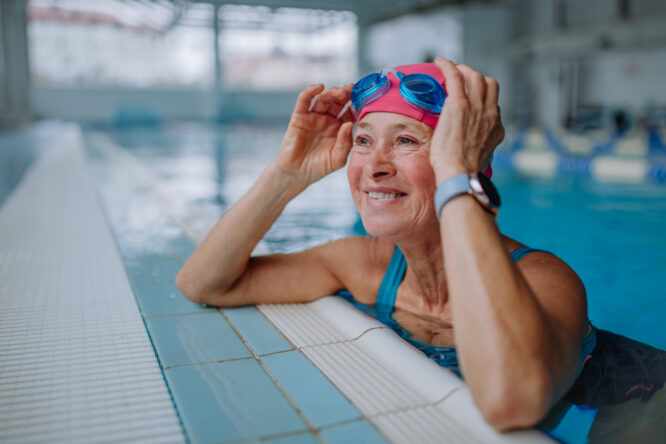
Unlike hitting the gym or pounding the pavement, jumping in the pool works practically every single muscle in your body at once without putting an ounce of heavy impact on your joints. It somehow manages to torch just as many calories as a hard run, while feeling far less like a punishing workout and a lot more like a decent way to clear your head.
Beyond just cooling off on a warm day, regularly getting your laps in builds proper functional strength, boosts your lung capacity, and gives your cardiovascular system a serious workout. What’s actually going on beneath the surface when you swim is pretty impressive, and it’s one of the absolute best things you can do for your body and mind.
It works nearly every muscle at once.
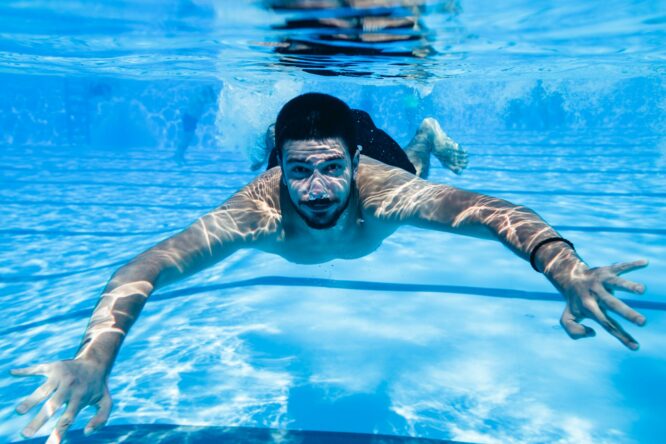
Unlike a lot of exercise that zeroes in on one part of the body, swimming pulls in almost everything. Switch between strokes like breaststroke, backstroke, or freestyle, and you’re constantly changing which muscles are doing the heavy lifting, all while the water itself adds a gentle kind of resistance the whole way through.
That combination is part of why swimming feels so different from, say, lifting weights or going for a run. You’re not isolating one area and hoping the rest catches up later, your arms, legs, back and core are all pulling their weight together in a single session.
It’s really good for your heart and lungs.
Regular swimming has been shown to improve cardiovascular fitness in both younger people and older adults, and the breathing patterns involved, especially the rhythm of controlled breath holding, can help expand lung capacity over time. It’s also been linked to healthier blood pressure, blood sugar and cholesterol levels.
There’s even some evidence that swimming can help protect your lungs against some of the damage linked to smoking. None of this happens overnight, but built into a regular routine, it adds up into a meaningful boost for your whole cardiovascular system.
It’s gentle on a bad back or aching joints.
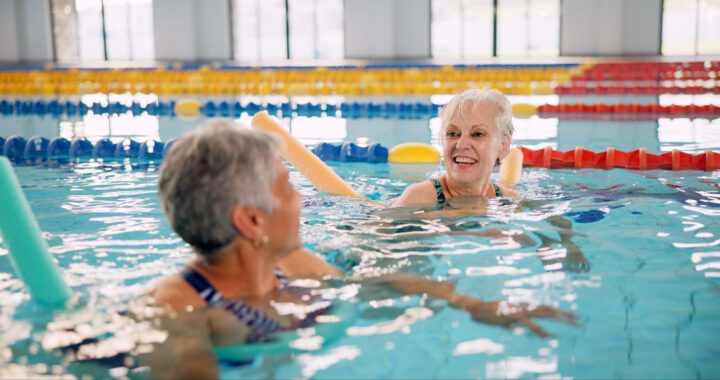
For anyone dealing with lower back pain, swimming has shown some promise as a low-impact way to stay active, although certain strokes can actually make things worse rather than better, so it’s not automatically the right fit for every type of back issue. Getting the green light from a doctor first is always the safer move.
The same goes for arthritis. Being in water takes a lot of the weight off your joints, since the water itself helps support your limbs while still offering just enough resistance to make the movement worthwhile. Warmer water tends to be especially soothing for joint pain specifically.
It burns a serious number of calories.

Swimming is one of the more efficient ways to burn energy, and the harder you push, the more it adds up. Someone weighing around eleven stone can burn roughly 223 calories in half an hour swimming laps at a relaxed pace, and that number climbs to around 372 calories in the same amount of time if they pick up the intensity.
That’s a similar calorie burn to running, minus the constant pounding on your knees and ankles. For anyone who’s been put off running because of joint pain, swimming is often the exercise that finally clicks.
It can support brain health, too.

Moderate to intense aerobic exercise like swimming has shown real promise for people living with conditions like Alzheimer’s, with research suggesting it can offer real benefit rather than just filling time. There’s also evidence that swimming gives people with dementia a sense of independence during the activity itself, while easing some of the pressure on the people caring for them.
It’s a reminder that the benefits of swimming go beyond the purely physical. For people navigating cognitive decline, having an activity that still feels enjoyable and manageable can matter just as much as the physical upside.
It helps take the edge off anxiety.

Time in the water has been linked to noticeable improvements in mood and lower anxiety levels, and interestingly, even fairly light swimming sessions seem to make a difference rather than needing an intense workout to see any benefit. Researchers do note that more solid studies are still needed to fully back this up, but the early signs are encouraging.
If you’ve ever noticed feeling calmer after a swim without really knowing why, this might be part of the explanation. There’s something about being in the water that seems to quiet the mind in a way that’s harder to replicate on dry land.
It’s considered safe during pregnancy.

Swimming is generally seen as one of the safer forms of exercise to continue during pregnancy, and has even been linked to some improved outcomes. That said, every pregnancy is different, and some complications may mean certain activities need to be avoided altogether.
Checking in with a doctor before starting or continuing any exercise routine during pregnancy is always the sensible move, especially if there are any existing complications to consider. What’s safe for one pregnancy isn’t automatically safe for another.
It’s a brilliant way to get kids moving.
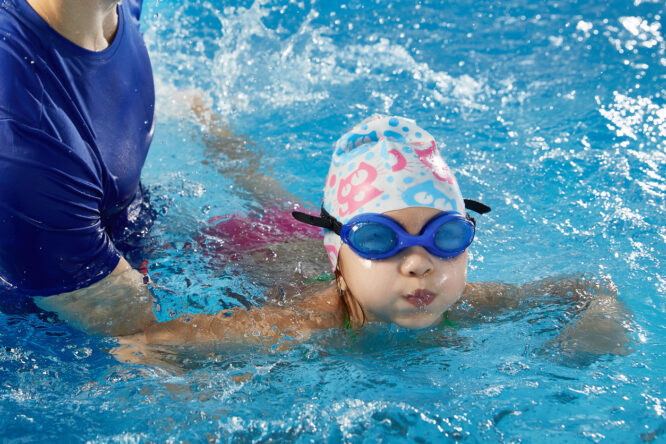
Children need a fair amount of daily activity to stay healthy, and swimming has a knack for not feeling like exercise at all to a child. Whether it’s structured lessons, joining a swim team, or simply splashing around unsupervised in a paddling pool, it all counts toward keeping kids active without the reluctance that comes with more formal workouts.
It also happens to be one of those activities parents can truly enjoy alongside their kids rather than just supervising from the sidelines. Shared pool time doubles up as both exercise and quality time together.
It doesn’t have to cost much, either.
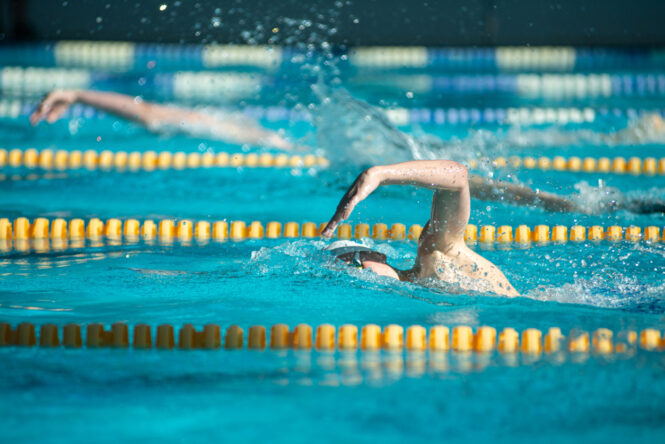
Compared to plenty of other forms of exercise, swimming can be surprisingly affordable. Many public pools offer reasonable membership rates, and some local schools or community centres run free or discounted swim sessions depending on income.
If cost is still a worry, it’s worth checking whether your workplace or health insurance offers any support toward fitness memberships. A lot of people don’t realise this kind of help is sometimes already available to them.
Getting started and staying safe is pretty simple.
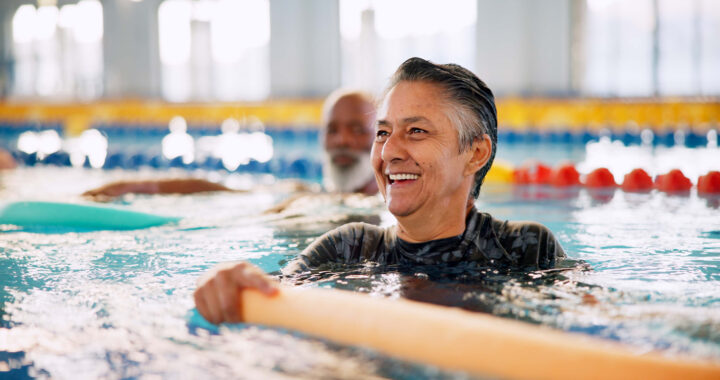
If you’re new to swimming, lessons are a great starting point, covering strokes, breathing technique and general pool confidence in a structured way. Once you’re in the water regularly, learning basic pool etiquette, like which lane suits your pace and passing other swimmers on the left, makes the whole experience smoother for everyone involved.
A few safety basics go a long way too. Stick to supervised areas, wear sunscreen if you’re swimming outdoors, drink water even though you won’t feel thirsty in the pool, and always keep a close eye on children near water. Simple habits like these keep swimming both enjoyable and safe.