Turns out Britain really isn’t sleeping well, and there are numbers that make the issue glaringly obvious.
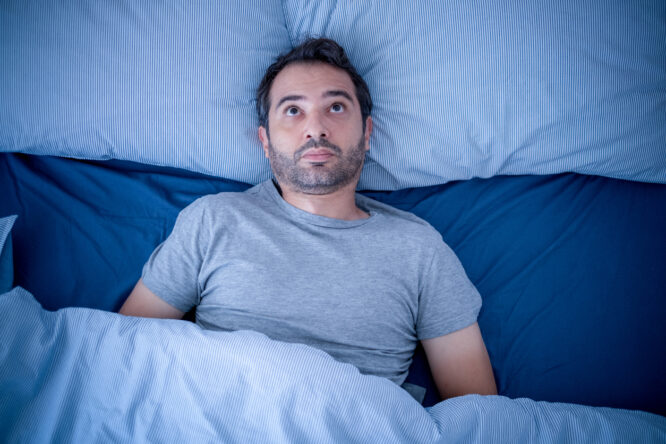
A big collection of UK sleep data has just been pulled together, and honestly, some of it makes for pretty grim reading if you’re the kind of person who’s already tired just thinking about your alarm clock. The average adult here gets just 7.37 hours a night, which puts us among the worst sleeping countries in the world. What the data actually says about how we’re sleeping, what’s keeping us up, and what it’s costing us, is pretty concerning.
Most of us aren’t hitting the basic sleep target.

Only around 28% of British adults actually manage seven or more hours a night, which is the bare minimum most sleep guidance recommends. That leaves the vast majority of us running on less than we’re supposed to, night after night, without necessarily even realising it’s become the norm.
Even fewer people wake up actually feeling rested. Just 14% say they consistently wake up feeling refreshed, which is a pretty telling number when you think about it. It’s not just that we’re not sleeping enough, it’s that even the sleep we are getting doesn’t seem to be doing its job well. Younger adults tend to fare a bit better than older ones too, with nearly three in five 18 to 25-year-olds hitting seven to eight hours a night, compared to only two in five over 65s.
Insomnia isn’t a rare problem, it’s practically routine.

Around one in six UK adults have been dealing with insomnia symptoms for more than a decade. Not a rough patch, not a stressful month, an entire decade of struggling to sleep well. That’s a long time to be running on broken sleep.
Falling back asleep after waking in the night seems to be its own separate battle, too. Two thirds of people take more than 10 minutes to drift off again once they’ve woken up, and a quarter take over half an hour. Add to that an estimated 1.5 million people living with undiagnosed sleep apnoea, and you start to get a sense of just how many people are quietly struggling through the night without even knowing there’s an actual explanation for it.
Our own habits aren’t helping much either.

Screens are the obvious culprit here, and the numbers back it up. A staggering 91% of UK adults use screens before bed, which is a habit that’s been shown time and again to suppress melatonin, the hormone your body relies on to actually feel sleepy in the first place.
Eating late doesn’t help matters, either. Nearly 70% of people eat within an hour of going to bed, which can bring on acid reflux and generally leave you sleeping lighter than you’d like. When people are asked directly what’s actually wrecking their sleep, staying up too late tops the list, followed by having a phone in the bedroom, physical health issues, and mental health struggles too. It’s rarely just one thing; usually, it’s a messy combination of all of the above.
Where you live in the UK seems to matter.
Yorkshire has come out as the UK’s most sleep-deprived region, which might raise an eyebrow or two depending on where you’re reading this from. Meanwhile, and somewhat unexpectedly given how manic London life can feel, Londoners actually clock up the most hours of sleep out of anywhere in the country.
Late night snacking has its own regional pattern too. Northern Ireland tops that particular chart, with over 76% admitting to eating late at night, while London and Scotland tie just behind. And if you’re in Manchester, you’re apparently more likely than most to lie awake actively worrying about your sleep itself, which feels like an unfair extra layer to deal with on top of everything else.
Pain and poor sleep feed into each other in a miserable loop.

Around three in 10 UK adults say pain is what actually wakes them up at night. And among people already dealing with insomnia, over half also report neck or back pain running alongside it, which suggests these two problems aren’t just coincidentally showing up together, they’re tangled up with one another.
Back pain alone is costing the UK economy somewhere between £10 and £12 billion every single year, and accounts for millions of GP appointments annually. Add in the millions of working days lost to back, neck and muscle pain each year, and you start to see just how much of a knock on effect poor sleep and physical pain can have well beyond just feeling groggy the next morning.
People are trying almost everything to fix it.

Nearly two thirds of UK adults have tried some kind of sleep aid at this point. Some have turned to medication, whether prescription or over the counter, while others have gone down a completely different route, trying meditation, mindfulness, herbal remedies, or one of the countless sleep tracking apps now available.
A decent chunk of people have also spoken to their GP about it, which is honestly a sensible move if sleep problems have been dragging on for a while. It’s a reminder that poor sleep isn’t just something to quietly push through, it’s a common enough problem that doctors deal with it regularly, and there’s no shame in bringing it up.
The financial cost of all this is truly eye-watering.

Sleep deprivation is currently estimated to cost the UK economy around £40 billion a year, which works out to nearly 1.9% of the entire country’s GDP. That figure is only expected to climb, too, with forecasts suggesting it could reach £47 billion by 2030 if nothing changes.
In the workplace specifically, only around a third of employees say they regularly get good sleep. Some workers end up taking multiple days off purely due to poor sleep, adding up to well over 14 million lost sick days across the country every single year. It’s easy to think of sleep as a purely personal issue, but numbers like these make it pretty clear it’s an economic one, too.
A lot of us are sleeping on mattresses well past their best.

Nearly a third of UK adults are sleeping on mattresses that have gone beyond the recommended seven-year lifespan, and some are holding onto the same one for up to 20 years. That’s a long time for something that’s supposed to be quietly supporting your body every single night.
Unsurprisingly, plenty of people sleeping on these older mattresses report discomfort, and a fifth specifically mention waking up with aches. It’s easy to overlook your mattress as the source of a problem, especially when it’s been sitting there unchanged for years, but it’s clearly playing a bigger role in how well the nation sleeps than most people probably give it credit for.
Naps remain something of a rarity here.
Despite how poorly Britain seems to sleep at night, daytime naps still aren’t a particularly common habit. Just over three in 10 adults napped even once in the past month, and only around one in seven manage it more than once a week.
An even smaller group, roughly one in 15, nap every single day. Given how many people are clearly running on insufficient sleep, it’s a bit surprising naps haven’t become more of a national coping mechanism, though perhaps that says something about how our daily routines simply don’t leave much room for one.
Taken together, this paints a pretty clear picture.

Britain is chronically under-slept, and it’s not just a case of a few unlucky people having the odd bad night. Nearly three quarters of adults are missing the recommended minimum, screens and late eating are quietly undermining what sleep we do manage to get, and pain and poor sleep are feeding into each other in a way that’s affecting millions of people at once.
On top of all that, plenty of us are still sleeping on mattresses that have well and truly seen better days, potentially making an already difficult situation even harder. None of this is likely to fix itself overnight, but understanding just how widespread the problem actually is feels like a fairly useful place to start.