Looking after your skin, hair, and makeup routine can quietly bleed your bank account dry if you’re not paying attention.

Between glossy social media trends, high-end skincare promises, and the endless urge to try the latest “holy grail” product, it’s remarkably easy to spend a small fortune on a bathroom shelf full of half-used bottles. But maintaining a solid beauty setup doesn’t mean you have to constantly fork out top dollar for designer labels.
By making a few clever swaps, streamlining your products, and learning which beauty rules actually matter, you can dramatically trim down your monthly spend without sacrificing your self-care routine. With that in mind, here are some practical, zero-nonsense ways to cut the cost of your beauty routine while still looking and feeling your best.
Switch to budget beauty brands where possible.

Plenty of affordable brands now deliver targeted treatments for specific skin concerns without the luxury price tag. Ranges like CeraVe, Simple, and the own-brand skincare lines from Boots and Superdrug let you shop by concern rather than by price alone, and Superdrug in particular often runs strong offers like buy one, get one free.
The same applies to makeup. Budget labels stocked in Superdrug and Boots, including E.L.F, Revolution and Milani, cover most of the basics at a fraction of the cost of higher end alternatives.
Try a beauty box subscription.
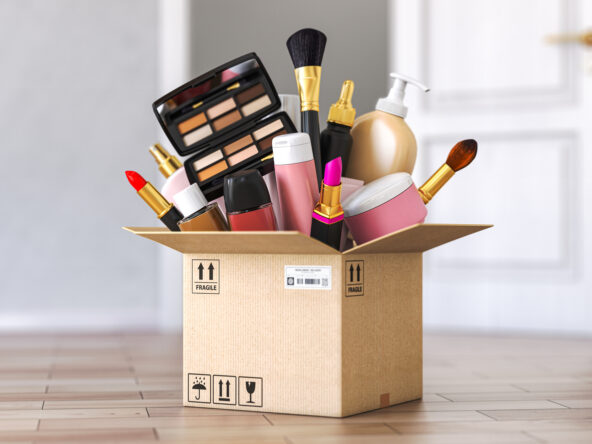
Subscription boxes let you access a range of premium products each month at a steep discount, or you can opt for one-off boxes instead. Providers like Mintd, Next, and Latest in Beauty regularly bundle products worth well over double what you actually pay. These work particularly well if you enjoy trying new things, since you’ll often discover products you’d never have picked up on your own, some of which may become new staples.
Swap for mid-range dupes.
Social media is full of comparisons highlighting affordable alternatives to well known luxury products. Budget brands regularly release dupes for popular high-end items, and much of the time the difference in performance is barely noticeable.
Micellar water is a good example, with cheaper versions often working just as effectively as pricier counterparts. Supermarket own-brand ranges are particularly known for producing convincing dupes worth trying before reaching for the original.
Simplify your routine.

The beauty industry benefits when we use more products, but a shorter routine can work just as well for plenty of skin types. The shift toward minimal skincare, focusing on fewer, more effective steps, has proven that fewer bottles doesn’t mean worse results. Cutting your routine down to the essentials can save a surprising amount over a year, and many people find they actually prefer the simpler approach once they try it.
Make your products multitask.

Several products already sitting in your bathroom cabinet can likely do more than one job. Face moisturiser can be swept down onto the neck and chest, skipping the need for a separate neck cream entirely, and a good facial serum often works fine around the eye area too. Make-up can multitask as well. Cream blush doubles nicely as a lip tint, bronzer can stand in for eyeshadow, and a spare eyeshadow shade can fill in sparse eyebrows in a pinch.
Look for refillable options.
More brands are moving toward refillable packaging, which tends to work out cheaper over time while cutting down on plastic waste. Brands like Neal’s Yard and Charlotte Tilbury now offer refills across several of their most popular products. Once you’ve bought the original container, refills are usually noticeably cheaper than buying a brand new product each time.
Use less product than you think you need.

It’s easy to fall into the habit of applying a generous amount of moisturiser or serum morning and night, but most products work just as well with a smaller amount than people typically use. Cutting back slightly can stretch a bottle considerably further. Also, cut open tubes once they seem empty, as there’s usually a surprising amount of product left inside that’s otherwise impossible to squeeze out.
Compare prices before buying.

Price comparison tools built specifically for beauty products can help track down the best current deals across retailers, sometimes cutting the price of popular items by close to half. Setting up alerts for favourite products means you’ll be notified automatically whenever the price drops. This is useful for pricier items like hair care ranges or skincare sets, where the price difference between retailers can be substantial.
Make your own treatments at home.
Plenty of effective beauty treatments can be made from ingredients already sitting in the kitchen. A hair mask made from avocado, egg, and olive oil works well, and a body scrub combining coconut oil and sugar can exfoliate and hydrate at the same time. Coconut oil alone is surprisingly versatile too, working as a gentle makeup remover and moisturiser that can even lift off waterproof makeup without much fuss.
Try supermarket skincare and makeup.

Supermarket beauty ranges, particularly budget lines from the major discounters, have built a strong reputation for producing dupes of high-end products at a fraction of the price. Reviews are often glowing, and the only real downside is that popular items tend to sell out fast once restocked. Check in regularly if there’s a specific product you’re after, since availability can be unpredictable.
Use what’s already in your cupboard.

Before buying anything new, work through whatever’s already sitting unused in a beauty drawer. Most people have a handful of products they bought on impulse and never got around to trying properly. If there are items you know you’ll never use, organising a swap with friends or family can be a fun way to clear them out while picking up something new in return, without spending anything at all.
Shop secondhand for luxury brands.

Sites like eBay and Vinted can be great for finding pricier products you love but can’t always justify buying new. Plenty of people sell skincare and makeup they’ve bought but never used, or items that simply didn’t suit them, often at a fraction of the retail price. Make sure you check the batch date on anything secondhand, though, since skincare in particular can lose effectiveness once it’s past its best.
Space out hairdresser visits.

Regular colour or highlight appointments can add up to hundreds of pounds a year without you really noticing. Stretching the gap between visits by a few extra weeks can meaningfully cut that annual spend over time.
Shop around locally, since independent salons often charge considerably less than larger chains for a comparable cut and colour, and some people choose to embrace their natural colour altogether rather than keep up with regular dyeing.