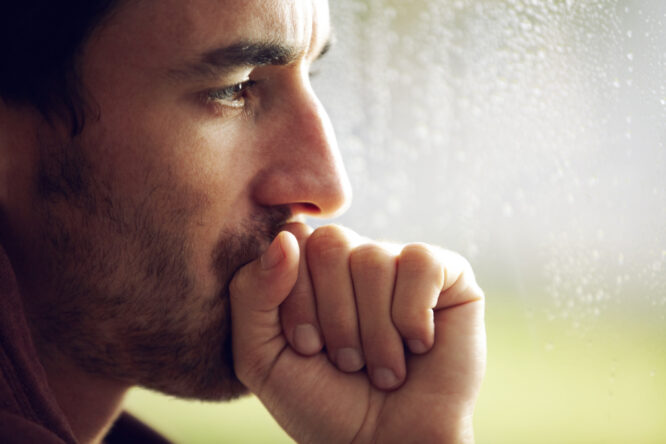
Faith can feel rock-solid until life throws you one of those curveball moments that makes you suddenly question everything you thought you believed. Strangely enough, these moments often come from the most unexpected places rather than dramatic crises. Sometimes it’s not the big theological debates that shake people’s faith, but small, human moments that make them wonder if what they’ve always believed actually makes sense in the real world.
1. Watching a good person suffer for no reason
Seeing someone who’s genuinely kind and devoted to their faith go through terrible suffering can shake your belief in any kind of cosmic fairness. It’s one thing to intellectually understand that bad things happen, but watching it unfold in front of you hits completely differently.
When the most faithful person you know gets diagnosed with cancer while selfish people around them live charmed lives, it’s natural to start questioning whether there’s really any divine justice at play. The abstract concept of suffering becomes very personal when it affects someone you respect and love.
2. Praying desperately and getting total silence
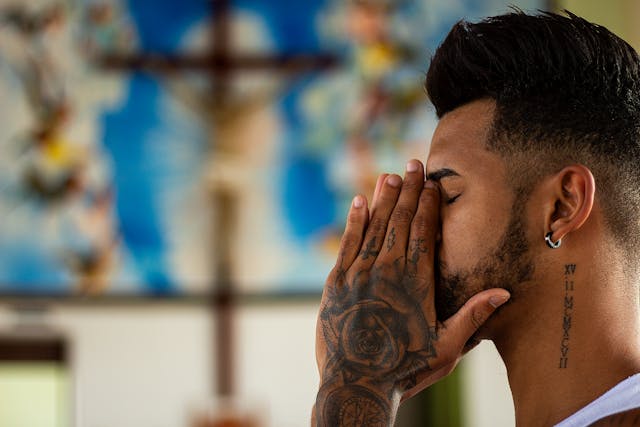
There’s something particularly crushing about pouring your heart out in prayer during a crisis and feeling like you’re talking to an empty room. When you’re facing your darkest moment and reach out for divine comfort, complete silence can feel like abandonment.
This isn’t about not getting what you want, it’s about not feeling any sense of presence or connection when you most need it. Many people can handle their prayers not being answered, but feeling utterly alone during prayer can shake everything.
3. Realising your beliefs depend on where you were born
The moment you truly grasp that your faith is largely determined by geography and family rather than some cosmic truth can be deeply unsettling. If you’d been born somewhere else, you’d likely believe something completely different with equal conviction.
This often hits during travel or when meeting people from different backgrounds who are just as certain about their beliefs as you are about yours. It raises uncomfortable questions about whether any faith tradition actually has a monopoly on truth.
4. Witnessing hypocrisy from religious leaders

Discovering that a respected religious figure you looked up to has been living a double life can shatter your trust in the entire system. It’s not just disappointment in one person, it’s questioning the integrity of the whole institution.
When someone who’s supposed to be closer to divine truth than you are turns out to be deeply flawed or harmful, it raises questions about whether religious authority means anything. If the experts can’t live by it, what does that say about the faith itself?
5. Learning about the messy history of your beliefs
Finding out that many traditions you thought were ancient and unchanging were actually developed recently or borrowed from other cultures can be genuinely shocking. When practices you thought were divinely inspired turn out to be political decisions made by humans centuries ago, they feel less sacred.
Learning about the human politics and cultural influences that shaped your religious texts can make them feel less like divine revelation and more like historical artifacts created by people with their own agendas.
6. Having spiritual moments outside your religion
Feeling a profound spiritual connection while doing something completely secular, like hiking or listening to music, can challenge the idea that your particular religion has exclusive access to the sacred. When the divine feels present outside your faith tradition, it raises questions about religious boundaries.
These experiences can make organised religion feel restrictive rather than expansive, like you’ve been trying to contain something infinite within a box that’s too small. It’s confusing when your most spiritual moments happen outside the expected context.
7. Science explaining away the miraculous
Learning scientific explanations for things your religious tradition attributes to divine intervention can create serious cognitive dissonance, especially when science’s version makes more sense. This doesn’t necessarily disprove divine involvement, but it can make it feel unnecessary.
When you understand how depression affects brain chemistry, it changes how you think about spiritual darkness. When you learn about confirmation bias, it makes you question whether answered prayers are really divine intervention or just pattern recognition.
8. Realising your faith was built on fear
The moment you recognise that you’ve been believing primarily because you’re scared of what might happen if you don’t, rather than because you’re genuinely drawn to your faith, can be a real eye-opener. Fear-based belief often feels hollow once you acknowledge it.
Many people discover they’ve been going through religious motions not because they feel called to, but because they’re terrified of hell or disappointing their family. When fear is the main motivator, it raises questions about whether the faith is actually worth having.
9. Grief that religious comfort can’t touch
Going through loss so profound that religious platitudes feel insulting rather than comforting can create a crisis of faith. When well-meaning people offer spiritual explanations that feel inadequate or cruel, it can make you question the whole framework.
Sometimes grief is so overwhelming that concepts of divine plan or afterlife reunion feel like meaningless words rather than genuine comfort. The disconnect between what faith is supposed to provide and what it actually offers during extreme pain can be jarring.
10. Meeting spiritual people who aren’t religious
Encountering people who are clearly kind, wise, and spiritually mature but don’t follow any organised religion can challenge the idea that your faith tradition is necessary for spiritual development. When someone lives better values than religious people you know, without any religious framework, it raises questions.
These encounters can make formal religious practice feel like one option among many rather than the only path to truth. If people can be deeply spiritual without your faith, what exactly does your faith add?
11. Feeling judged by your religious community
Experiencing rejection from your faith community for asking questions or going through difficulties can make you question whether this is really what divine love looks like. When the people who represent God’s love are harsh or unwelcoming, it reflects poorly on the whole system.
This often happens when people are most vulnerable and need support, making the rejection particularly painful. If your religious community can’t love you through struggles, it raises serious questions about whether they’re following their own teachings.
12. Recognising belief as psychological comfort

Understanding how faith provides comfort, community, and meaning can paradoxically undermine belief by making it seem like a human invention designed to meet emotional needs rather than divine truth. When you see the psychological benefits, it’s hard not to question the actual truth claims.
Realising that your faith makes you feel better doesn’t necessarily mean it’s accurate, just that it’s useful. This can lead to questioning whether you believe because it’s true or simply because believing feels good.
13. Feeling disconnected during worship
Having repeated experiences of feeling isolated during religious services that are supposed to be spiritually uplifting can make you question whether you’re missing something or whether it’s just not for you. When everyone around you seems moved by something you can’t access, it’s alienating.
That connection tends to build as time goes on, with each service feeling more like going through motions than genuine worship. When communal spiritual practices leave you feeling more alone than before, it raises questions about belonging.
14. Being happy without religious guidance
Finding genuine contentment and moral direction without relying on religious teachings can make faith feel unnecessary rather than essential. When you discover you can be a good person and live meaningfully without divine guidance, it changes religion’s role in your identity.
This often happens gradually as people develop their own moral compass through relationships, career, or secular philosophy. When life works fine without constant religious input, faith can start feeling like an extra layer rather than a foundation.