Filling up your car is one of those everyday things most drivers don’t think much about.
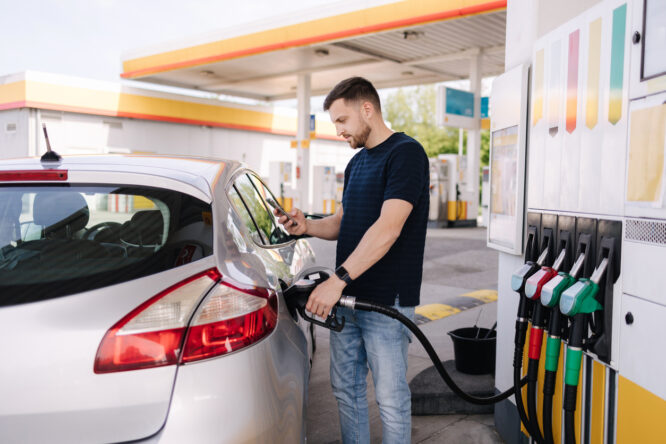
You pull up, grab the nozzle, and a few minutes later you’re back on the road. What many people don’t realise is that petrol station forecourts actually come with a long list of safety rules, and some of them are stricter than you might expect. Because petrol vapours are extremely flammable, even small mistakes can create serious risks. That’s why forecourts are covered with warning signs and instructions.
In addition to not leaving your engine running or filling unsafe containers, here are some of the other things you’re not allowed to do when filling up at a petrol station in the UK.
You can’t leave your engine running while refuelling.
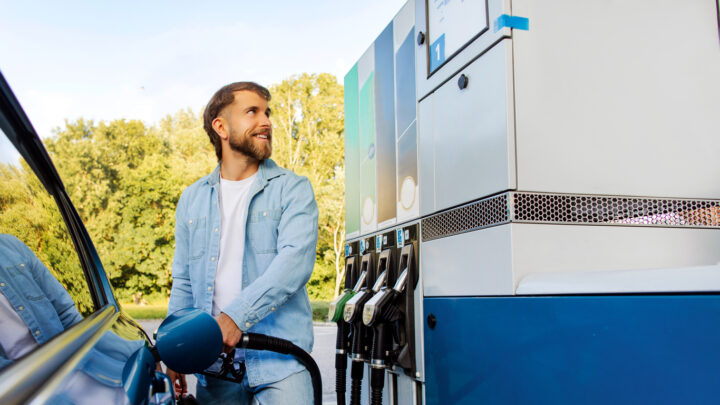
Your engine should always be switched off before you start filling the tank. Petrol vapours can ignite if they come into contact with heat or sparks, and a running engine produces both. Even if you’re only stopping briefly, forecourt rules require drivers to turn their engines off before picking up the pump. Most people probably wouldn’t notice anything unusual if someone left their engine running, but it increases risk around fuel vapours. Switching the engine off takes only a second and significantly reduces the chances of something going wrong.
Smoking anywhere near the pumps is forbidden.
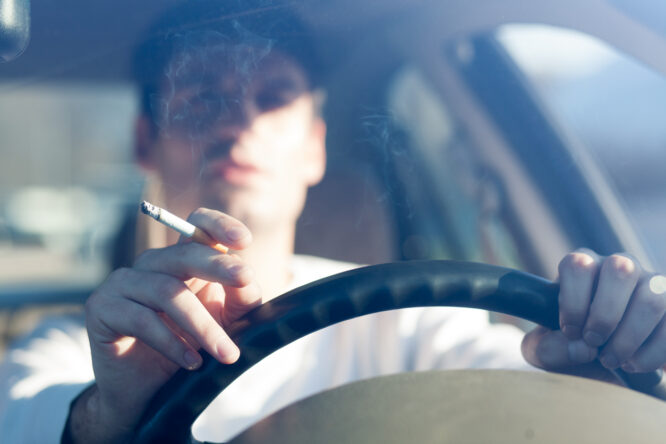
Smoking on a petrol station forecourt is strictly prohibited. Petrol vapours can spread around the pump area and ignite very easily if they meet an open flame. That’s why you’ll see large warning signs at almost every station reminding drivers not to smoke. This rule also applies to anything that produces a flame, such as lighters or matches. Petrol stations take this seriously because even a small spark can cause a dangerous fire in an area where fuel vapours are present.
Using your phone while filling up is a no-go.
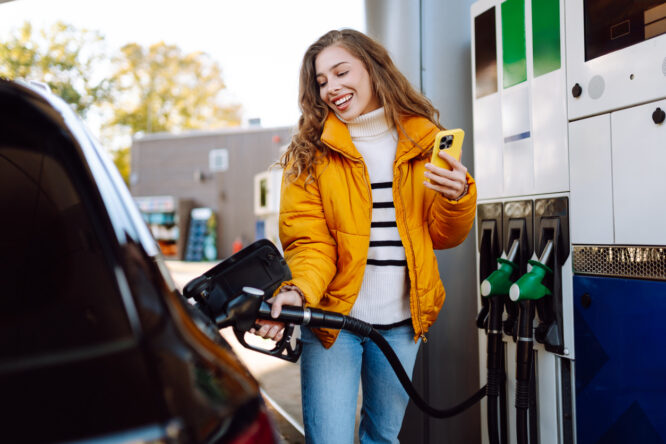
Many petrol stations ask drivers not to use their mobile phones while refuelling. The main concern isn’t usually the phone itself, but the distraction it creates. When someone is looking at their screen, they’re far more likely to spill fuel or forget to stop the pump. Forecourts can be busy with cars moving around, people walking between pumps, and fuel hoses in use. Staying focused while refuelling helps avoid spills and keeps the area safer for everyone.
You can’t get back into your car while the pump is running.

Jumping back into the car while the tank fills might seem harmless, especially on a cold or rainy day. However, many stations discourage this because sliding across car seats can build up static electricity. Static sparks are uncommon but possible, and petrol vapours are extremely flammable. Remaining outside the vehicle while refuelling reduces that risk and lets you keep an eye on the pump at the same time.
Filling petrol into unsafe containers isn’t allowed.
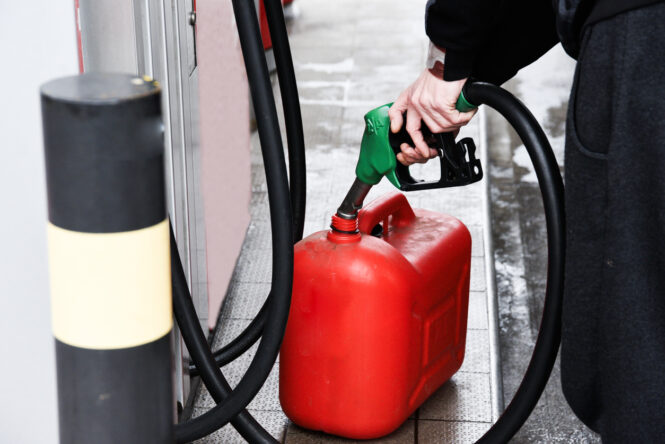
If you need to fill petrol into a portable container rather than your vehicle, the container must be designed specifically for fuel. Using random bottles or unsuitable cans can be dangerous, and most stations will refuse to allow it. Proper fuel containers are built to handle petrol safely and are clearly marked. They help prevent leaks, reduce vapour release, and make transporting fuel far safer.
Perhaps understandably, you can’t let children operate the pump.
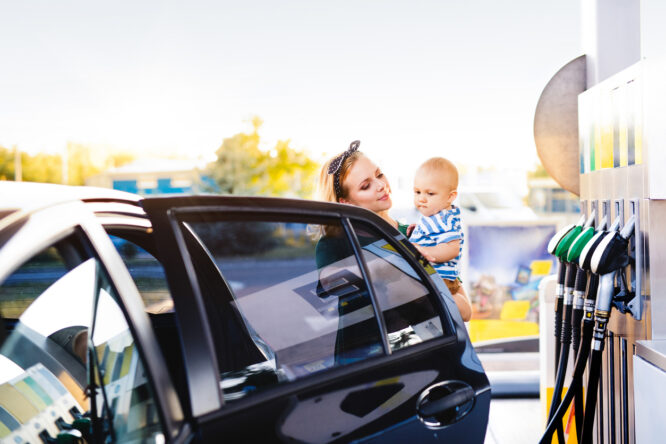
Petrol pumps are not meant to be handled by children. In the UK, petrol cannot legally be supplied to anyone under the age of sixteen. Aside from the legal rule, it’s also basic safety. Pumps are heavy, fuel can spill easily, and petrol vapours are hazardous. Adults should always handle the refuelling process.
You can’t (and really shouldn’t) overfill your fuel tank.
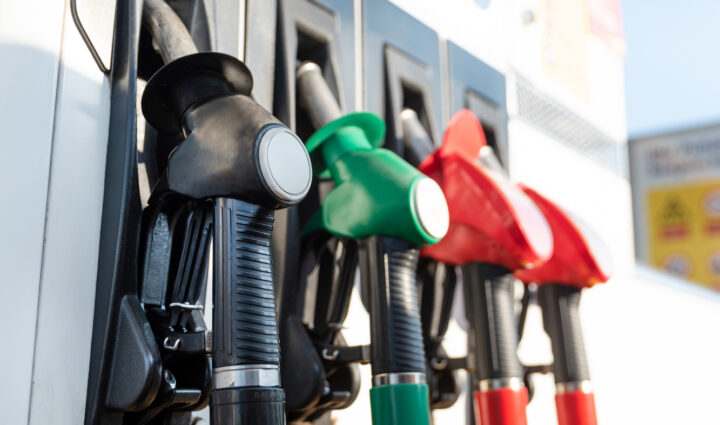
Some drivers try to squeeze in extra fuel after the pump clicks off, thinking they’ll get a little more value for their money. Modern pumps are designed to stop automatically once the tank is full, and continuing to pump after that point can cause fuel to spill. Overfilling can also damage parts of the car’s fuel system and release extra vapours into the air. When the pump clicks, it’s usually best to stop there.
Leaving your car blocking the pump isn’t allowed.
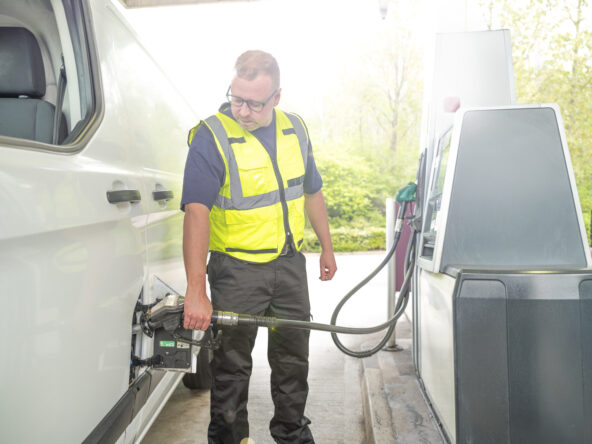
Petrol stations are designed for quick stops rather than long parking. Once you’ve finished filling your tank, the expectation is that you move your car, so the next driver can use the pump. Leaving your vehicle there while you browse inside the shop can quickly create queues, especially during busy hours. It’s one of those small bits of forecourt etiquette that keeps everything running smoothly.
There’s no driving quickly around the forecourt.
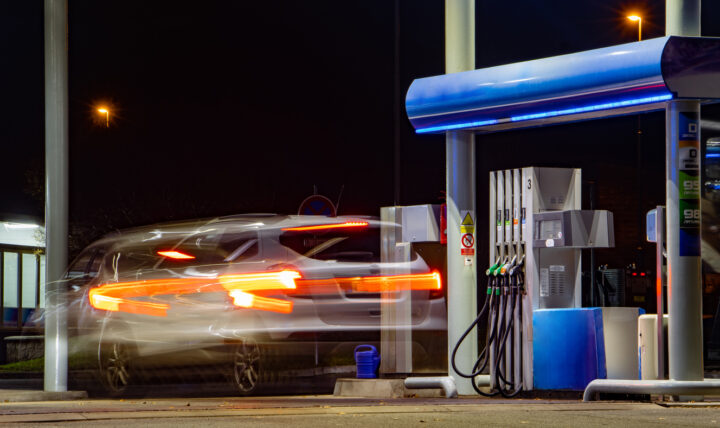
Forecourts are shared spaces where people walk between pumps and vehicles move in different directions. Because of that, speed limits are usually very low, often close to walking pace. Driving slowly helps reduce the chance of accidents. With hoses, pumps, and pedestrians nearby, careful driving is essential for keeping the area safe.
Storing large amounts of petrol at home is technically against the law in most cases.
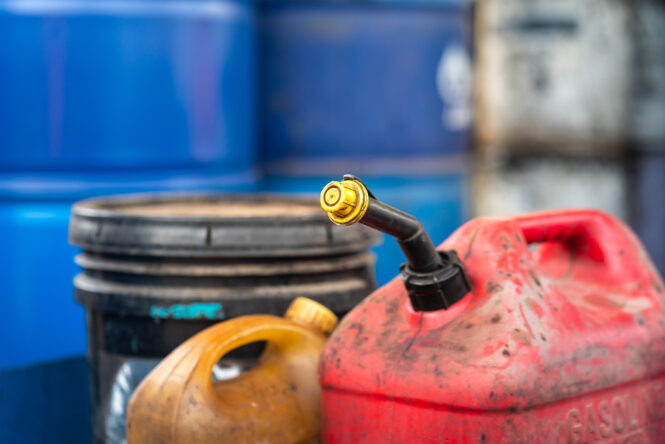
Some people like to keep spare petrol in containers, particularly for garden equipment or emergency use. However, there are strict limits on how much petrol can be safely stored or transported. Petrol is extremely flammable, and storing large quantities increases the risk of leaks or fires. Using approved containers and keeping amounts small helps reduce those risks and keeps storage within safety guidelines.
Petrol stations may look like ordinary roadside stops, but they’re carefully controlled environments because of the risks involved. Most of the rules come down to preventing sparks, flames, or spills around fuel vapours. Paying attention to the signs and following these simple rules helps keep everyone safe while filling up.