Having a garden is one of the best parts of having your own home, but it’s also the quickest way to end up in a cold war with the people living next door.

We like to think of our outdoor space as a private sanctuary where we can do whatever we want, but the reality of terraced or semi-detached living is that your “private” hobby often comes with a soundtrack, a smell, or a literal shadow that hangs over the fence.
Most of the time, we’re not trying to be difficult; we’re just getting stuck into a project or enjoying the sunshine, and we don’t realise that our new fire pit is sending a wall of smoke directly into the neighbour’s freshly washed bedding. From the height of your hedges to the exact placement of your noisy hot tub, there’s a thin line between enjoying your property and becoming the person everyone whispers about in the local WhatsApp group.
Here are some things that probably won’t go down too well with the people next door.
Having regular bonfires
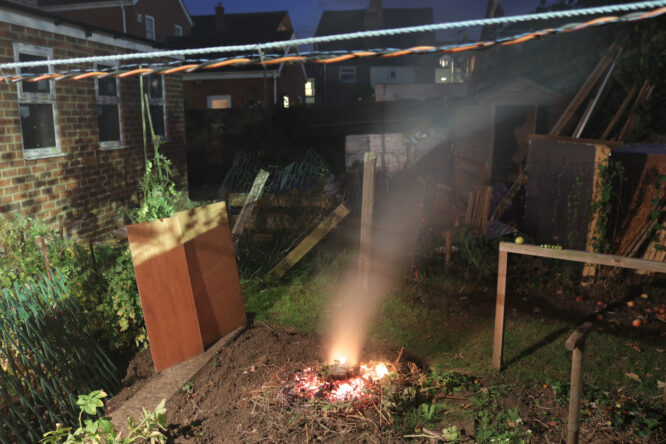
There’s no law against lighting a bonfire in your garden, and technically, you can do it at any time of day or night. The issue is what you’re burning and how often you’re doing it. Smoke drifting repeatedly into a neighbour’s garden, through their windows, or onto their washing can be classed as a statutory nuisance under the Environmental Protection Act 1990.
If your council investigates and agrees, they can issue an abatement notice, and ignoring that can lead to a fine of up to £5,000. One occasional bonfire is usually fine. Making it a regular habit is when it becomes a problem for everyone around you.
Letting your hedge grow above two metres
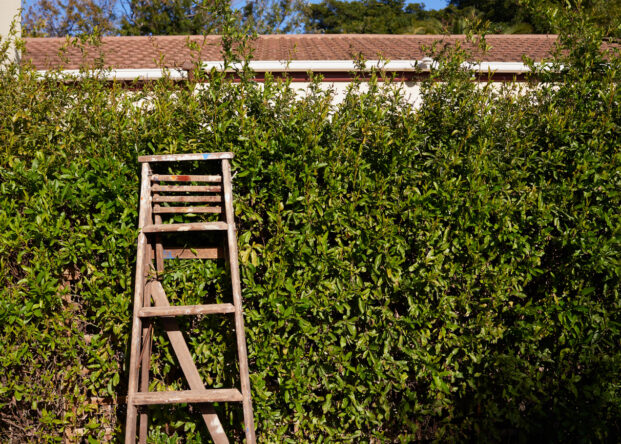
You’re not legally obliged to keep your hedges at any particular height, but your neighbours have recourse if a hedge along a shared boundary is blocking their light or making their garden unusable. Under the Anti-Social Behaviour Act 2003, they can complain to the council, who can then order you to cut it back to a reasonable height.
The council will consider how much light is being blocked and how overbearing the hedge is. They can’t force you to remove it entirely, but they can specify exactly how low it needs to go, and there’s a fee for processing the complaint on top.
Using power tools and playing loud music

Nobody can tell you that you can’t mow your lawn or play music in your own garden, but excessive noise between 11pm and 7am is where the law steps in. Even during daylight hours, sustained loud noise from power tools, music, or machinery can be reported to your local council’s environmental health team as a statutory nuisance.
If they agree it qualifies, they can issue a noise abatement notice. Ignoring that tends to get expensive quickly. The general rule is that the odd afternoon of DIY is unlikely to cause any real issue, but if you’re firing up the angle grinder every weekend at 8am, expect it to be brought up eventually.
Not wearing any clothes in your garden

This one surprises a lot of people. Naturism in your own garden is not a criminal offence in the UK, and you can’t be prosecuted simply for being unclothed on your own property. The caveat is intention. Under Section 66 of the Sexual Offences Act 2003, it becomes an offence if you’re deliberately trying to cause alarm or distress to those around you.
If your neighbour can see you and complains, the question of whether you were sunbathing or deliberately putting on a show is a matter for the courts. It’s legal, it’s your garden, and it’s still absolutely going to cause a row.
Letting invasive plants spread
An untidy garden is generally your own business, but if you’re growing Japanese knotweed, giant hogweed, or other invasive non-native species, you have a legal duty to prevent them spreading onto neighbouring land or public areas. Failing to do so can result in formal complaints and potential legal claims from neighbours.
Japanese knotweed in particular is taken very seriously because it can affect property values and mortgage eligibility. You don’t have to be a meticulous gardener, but you do have to keep invasive species under control.
Building a large shed or structure close to the boundary

Most garden outbuildings fall under permitted development rights, which means you don’t need planning permission as long as they meet certain size and height criteria. That doesn’t mean your neighbours will be happy about a six-foot shed going up right next to their fence, blocking their afternoon sun.
There’s also the question of party walls. If your structure is being built on or near a shared boundary, the Party Wall Act 1996 may require you to notify your neighbour formally before work starts. Getting this wrong can cause genuine legal complications, even if the shed itself is completely above board.
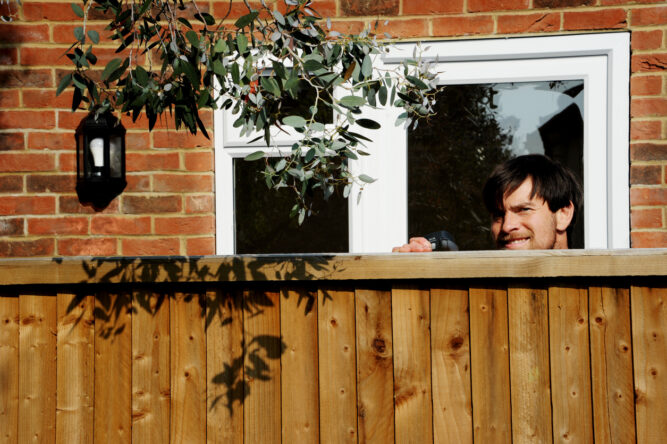
Installing security cameras that point beyond your property
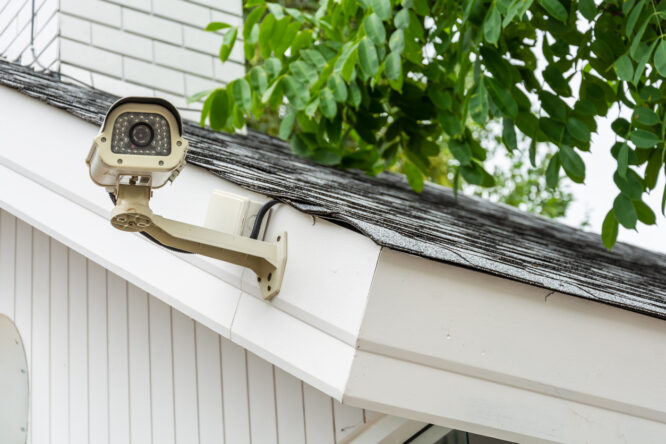
You’re within your rights to install CCTV on your own home, but if the cameras capture footage of neighbouring gardens, driveways, or windows, it gets complicated. Under UK GDPR rules, recording outside your own property boundary means you’re processing other people’s personal data, which comes with legal responsibilities.
The Information Commissioner’s Office can investigate complaints. Ring doorbells and similar devices have already been the subject of legal disputes between neighbours in the UK. Pointing a camera at your own front door is fine. Accidentally or deliberately capturing what your next-door neighbour is doing in their back garden is a different matter.
Cutting back overhanging branches and returning them
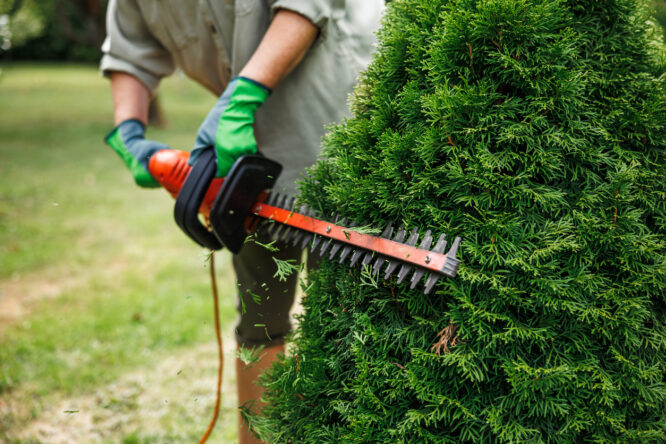
If a neighbour’s tree or hedge is growing over your boundary, you’re legally entitled to cut back anything that crosses into your garden, up to the boundary line. You don’t need their permission to do it. What most people don’t realise is that the cuttings technically belong to your neighbour, and you’re supposed to offer them back rather than just binning them.
In practice, most people wave this off, but if the relationship is already tense, throwing clippings back over the fence counts as littering and gives them something else to complain about. Keep the cuttings, offer them back politely, and let them say no.
Having a barbecue that fills their garden with smoke

Like bonfires, barbecues are perfectly legal and there’s nothing wrong with having them. The trouble is the smoke, particularly if your neighbour has their windows open, their washing out, or any kind of respiratory condition. It won’t land you in trouble after one Sunday afternoon, but if you’re barbecuing several times a week throughout the summer and smoke is consistently drifting next door, it can be reported as a nuisance. A quick knock to let your neighbour know you’re planning one goes a long way, and checking the wind direction before you light the coals costs nothing.
Leaving your garden looking completely neglected
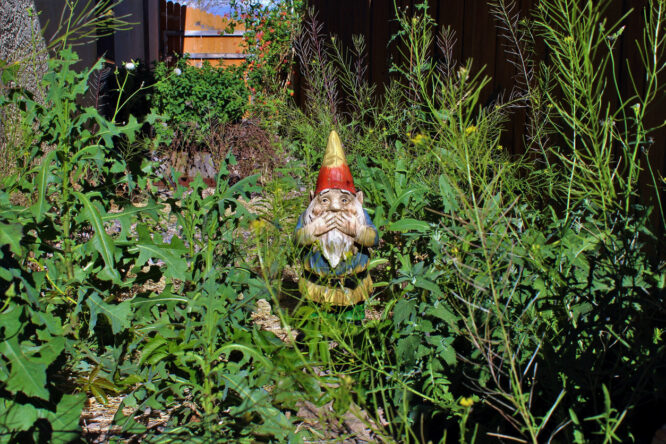
An untidy garden is largely your own affair. Councils can’t take action simply because your lawn hasn’t been mowed, or your borders are overgrown. Where it shifts is when the state of your garden starts to affect other people. Rubbish that attracts rats, rotting compost causing smells, or dense overgrowth providing a highway for pests into neighbouring properties can all be reported to environmental health as a statutory nuisance. At that point, councils do have powers to act. You can let your garden go to seed, but once it’s actively creating problems for the people around you, it stops being just your problem.