Social anxiety is more common than you’d think, with about 5% of the British population experiencing it, according to the Royal College of Psychiatrists.

On the surface, it doesn’t seem like that big of a deal. The problem is that it’s more than just feeling nervous before a big presentation or dreading crowded places. It can be pretty all-consuming at times, in ways that other people wouldn’t really understand if they’ve never experienced it. However, if you have, you’ll know all too well how common these things are.
1. Rehearsing conversations that will probably never happen

You’ve already practiced seventeen different ways to order coffee, including backup responses for when they’re out of your usual drink, what you’ll say if they ask about your day, and how to gracefully exit if you accidentally make it weird. The mental rehearsal never stops, even for the most basic interactions that other people navigate without thinking.
This isn’t about being prepared; it’s about trying to control the uncontrollable because your brain has convinced you that saying the wrong thing in a casual conversation could somehow ruin your entire life. You know it’s irrational, but your mind keeps creating these elaborate scripts anyway.
2. Avoiding phone calls like they’re actual emergencies

That voicemail sits there for three days while you work up the courage to listen to it, even though you know it’s probably just your dentist confirming an appointment or your mum asking about dinner plans. Making phone calls requires the same mental preparation as giving a presentation to strangers.
Text messages and emails aren’t just preferences; they’re lifelines that let you think through your responses and avoid the panic that comes with real-time conversation where you can’t edit or take back what you’ve said. The phone feels like a trap where you might say something embarrassing and have no way to fix it.
3. Overanalysing every single social interaction afterward

That casual conversation from three hours ago plays on repeat in your head like a song you can’t shake, except instead of enjoying it, you’re dissecting every word you said and every facial expression the other person made. Did they seem annoyed when you mentioned that thing about your weekend? Was that laugh genuine, or were they just being polite?
You replay conversations looking for evidence that you said something wrong, came across as weird, or somehow offended someone without realising it in the moment. Sleep becomes impossible when your brain decides it’s time to review every social interaction from the past week and find problems with all of them.
4. Feeling exhausted after social events that other people find exciting

A two-hour dinner with friends leaves you feeling like you just ran a marathon because your nervous system spent the entire time on high alert, monitoring everything you said and everyone else’s reactions. What looks like a fun, relaxing evening to everyone else was actually an intense performance where you were constantly trying not to mess up.
The exhaustion isn’t just tiredness; it’s the complete depletion that comes from hypervigilance and emotional regulation under pressure. You need a full day to recover from social situations that neurotypical people bounce back from immediately, which makes you feel broken when you’re actually just wired differently.
5. Having escape plans for every social situation

Before you agree to any social event, you’ve already mapped out three different ways to leave early if things get overwhelming, including backup excuses that sound legitimate and transportation arrangements that don’t depend on other people. The exit strategy is often more detailed than the plan for actually enjoying yourself.
You choose seats near doors, bring your own car instead of carpooling, and always have a believable excuse ready for why you might need to leave suddenly. Having an escape route doesn’t mean you always use it, but knowing it exists makes staying bearable when your anxiety starts climbing.
6. Overthinking every text message before sending it

That simple response to a friend’s message gets written, deleted, and rewritten five times because you’re analysing the tone, wondering whether you sound too eager or not interested enough, and trying to strike the perfect balance between friendly and not overly enthusiastic. Even “sounds good!” requires careful consideration.
You screenshot messages to friends asking if your response sounds normal, or worse, you just never respond at all because you can’t figure out the right words. The pressure to sound casual and natural in writing somehow makes everything feel forced and awkward.
7. Pretending you didn’t see people you know in public

You spot someone from work at the grocery store and suddenly develop an intense interest in reading ingredient labels until they’re safely in a different aisle, not because you don’t like them but because you don’t trust yourself to handle an unexpected social interaction without saying something weird. The fake phone call manoeuvre becomes a survival skill.
Small talk with acquaintances in random places feels like a test you didn’t study for, so avoidance becomes easier than risking an awkward exchange where you both struggle to remember each other’s names or find something appropriate to say about running into each other buying toilet paper.
8. Physical symptoms that feel completely out of proportion

Your heart races like you’re running from danger when someone asks you to speak up in a meeting, your hands shake while ordering food, and you break out in sweat during casual conversations that everyone else handles without thinking. Your body treats social situations like legitimate threats to your survival.
The disconnect between knowing logically that nothing bad will happen and feeling like you’re in actual danger creates this surreal experience where you’re simultaneously aware of being irrational while being completely unable to control your physical reactions. Your nervous system has its own agenda that doesn’t match your rational mind.
9. Preferring to text instead of asking questions in person

You’d rather send three follow-up messages than ask for clarification during a conversation because speaking up in the moment feels too risky and puts too much attention on you. Texting lets you think through your questions and avoid the spotlight that comes with admitting you didn’t understand something.
This extends to everything from work meetings where you stay confused rather than speak up, to social gatherings where you smile and nod instead of asking people to repeat themselves. The fear of drawing attention often outweighs the inconvenience of being confused or missing information.
10. Feeling like everyone else got a social manual you never received
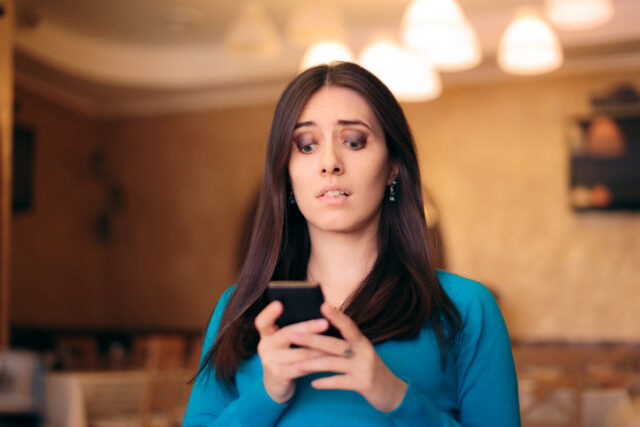
Other people seem to navigate conversations, group dynamics, and social situations with ease that feels almost magical, like they’re all following rules that nobody ever explained to you. They know when to laugh, what to say, how to join conversations, and when to leave, while you’re constantly guessing and second-guessing.
Watching socially confident people feels like watching someone speak a foreign language fluently while you’re still struggling with basic vocabulary. You study their interactions like research, trying to decode the mystery of how they make it look so effortless when every social moment feels like a puzzle for you.
11. Cancelling plans at the last minute because your anxiety won

You were genuinely excited about those dinner plans when you made them three days ago, but now that it’s time to actually go, your anxiety has built up like storm clouds and the thought of leaving your house feels impossible. The guilt about cancelling fights with the relief of staying home safe.
These last-minute cancellations aren’t necessarily down to being flaky or not caring about people; they could be your nervous system reaching its limit and deciding that social interaction is too dangerous today. You hate disappointing people, but sometimes protecting your mental health has to come first, even when it makes you feel terrible.
12. Being hyperaware of how much space you take up

You monitor your voice volume constantly, worry about talking too much or not enough, and analyse whether you’re standing too close or too far from people in conversations. Every aspect of your social presence feels like it needs careful management to avoid being too much or not enough.
That hypervigilance about your impact on other people extends to everything from how much you laugh to how often you speak up in group settings. You’d rather fade into the background than risk taking up too much space or energy, even when people genuinely want to hear from you.
13. Finding comfort in online interactions that feel safer

Social media, texting, and online communities provide connection without the pressure of real-time performance, giving you space to be yourself without worrying about immediate judgement or having to manage your physical anxiety symptoms. The screen creates a buffer that makes authentic connection feel possible.
Online friendships aren’t lesser relationships; they’re often where you feel most understood and accepted because the medium allows you to communicate without the overwhelming sensory and social pressures of in-person interaction. Digital spaces become refuges where your anxiety doesn’t control the entire experience.