Dealing with the public as part of your job can be both rewarding and challenging, and that’s putting it lightly.
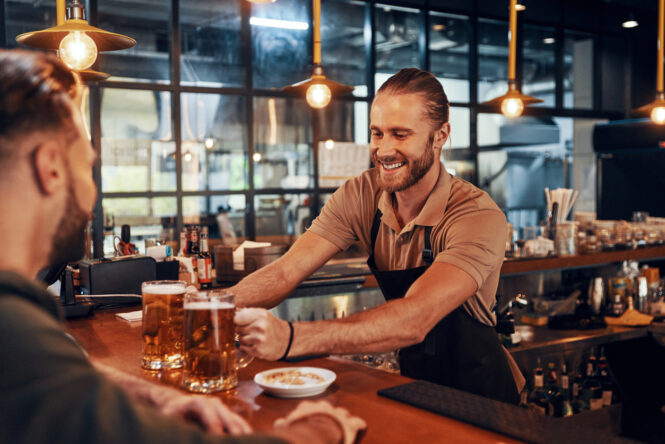
Anyone who has worked behind a bar in the UK will tell you the same thing: most customers are completely fine, and a small number make the shift so much harder than it needs to be. The difference between a good customer and a difficult one rarely comes down to anything major, either. More often than not, it tends to be a collection of small habits that either make the job easier or create more friction for the person trying to serve you.
If you want to get on your bartender’s good side, these are some of the habits to get into to make their job a bit easier.
You know what you want before you reach the bar.

This comes up constantly when bar staff talk about their experiences, and it’s more significant than it sounds. A busy Friday night in a UK pub means the person behind the bar is managing a queue, pulling pints, making change and doing all of it quickly. When someone arrives at the front after a 5-minute wait and then stares blankly at the taps saying, “Oooh, what do I want?” that pause costs everyone time. Good customers have used the queue to decide, and they come to the bar ready to order clearly and in full.
You order the whole round at once.

Bar staff consistently say this is one of the biggest frustrations of the job. A bartender can make five drinks in the time it takes to have five separate conversations. Coming back to the bar repeatedly for one drink at a time doesn’t just inconvenience the staff, it holds up everyone else waiting too. Good customers find out what the whole table wants before they get up, keep it together in their head, and get it all done in one go.
You don’t make a performance out of getting attention.

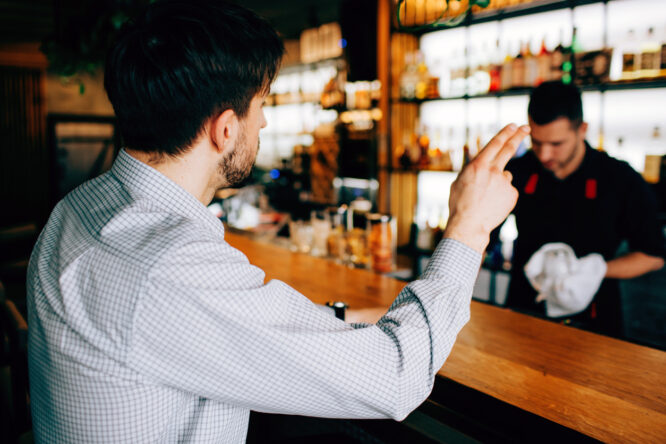
There’s a type of customer who treats getting served like a competition, and bar staff clock them immediately. Waving arms, clicking fingers, whistling, and calling out repeatedly while someone is clearly mid-order are all counterproductive (not to mention annoying). Experienced bar staff already know who’s been waiting and in what order. A simple raise of the hand to catch someone’s eye is completely fine, but anything beyond that signals that you’re going to be hard work, and you’ll often find yourself waiting longer as a result rather than shorter.
You’re patient during a genuine rush.
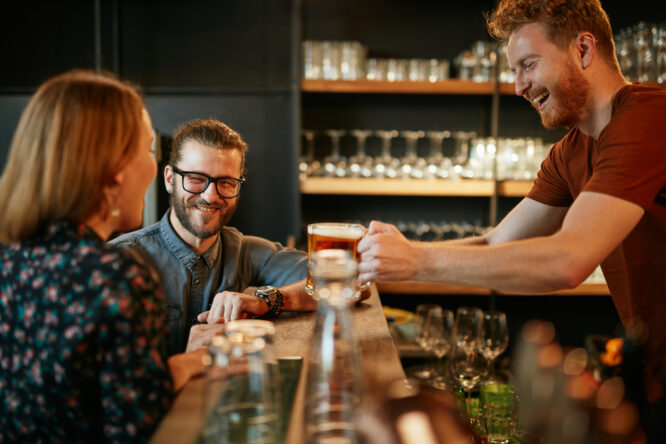
A good customer understands that Saturday night at a busy pub means waiting, and doesn’t take it personally or start making pointed comments about the service. Bar staff are aware it’s busy—they’re the ones dealing with it most directly. Basic good humour during a rush is something staff genuinely notice, even if they never say so. The customers who make it obvious they’re irritated tend to get the minimum required interaction in return, while the ones who are easy to deal with tend to find things go a bit more smoothly for them.
You say please and thank you.

This might sound obvious, but bar staff mention it often enough to suggest it genuinely isn’t universal. Making eye contact, saying please when you order and thank you when you’re handed your drinks, and not talking over the bar to your mate while someone is trying to take your order are simple enough, but in a busy environment where staff are getting very little of it from a fair number of customers, the people who do it naturally stand out immediately. Treating the interaction like a normal exchange between two people rather than a transaction you’d rather not be having makes a real difference to how the shift feels.
You don’t comment on how someone pulls a pint.
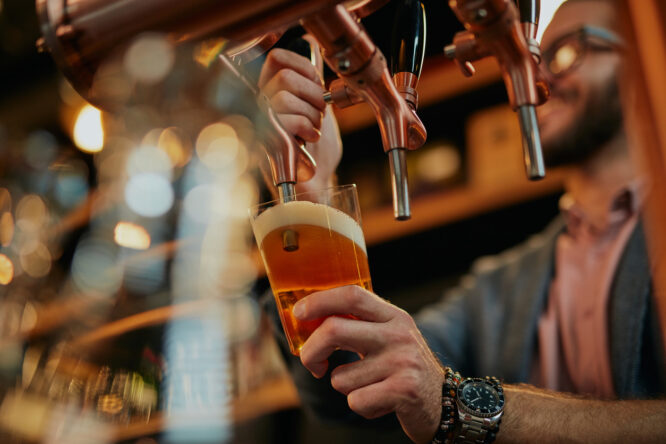
More than one bartender has said that unsolicited feedback on their technique is one of the fastest ways to make yourself unpopular behind the bar. If a pint arrives, and it’s genuinely wrong, saying so politely is completely reasonable. If it’s just not the way you personally would do it, leaving it alone is the better call. Bar staff are trained by their venue, know what they’re doing, and don’t need a running commentary from the other side of the bar.
You speak clearly when ordering.
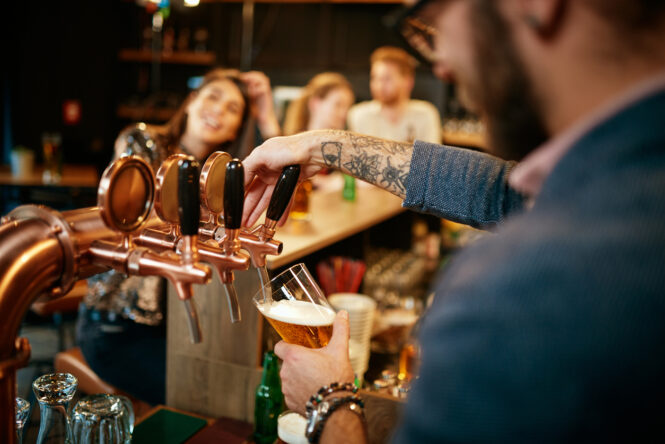
Noisy pubs are genuinely difficult working environments, and bar staff spend a lot of time lip-reading and asking people to repeat themselves. Speaking clearly, facing the person taking your order rather than turning to talk to someone behind you mid-sentence, and not mumbling a complicated order at low volume all make the process significantly faster and less frustrating for everyone. Bartenders who’ve shared their experiences mention this more than most people would expect. The simple act of being audible saves a surprising amount of back and forth on a busy night.
You’re honest about what you want.
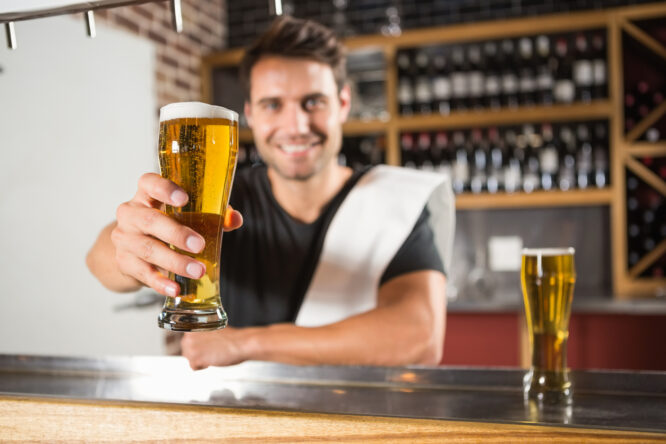
Describing a drink you had once somewhere else by its approximate colour and general vibe and expecting the bartender to identify it isn’t a realistic ask, especially when there’s a queue behind you. If you’re not sure what you want, looking at the menu or asking what’s on tap is perfectly fine. What bar staff find difficult is customers who aren’t quite sure but also won’t look at the menu, want suggestions but won’t say what they like, or change their mind after the drink has been started. Being straightforward about what you actually want, or openly undecided and happy to take a recommendation, both work well. The in-between tends to slow everything down.
You behave well at last orders.
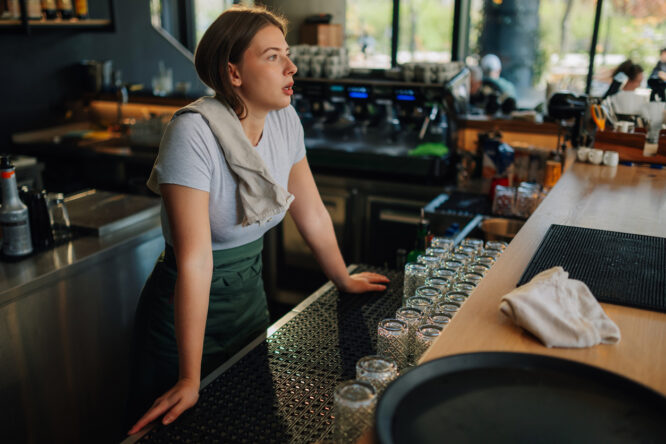
This is where good customers really separate themselves from difficult ones. Last orders and closing time are legally enforced in UK pubs, not a suggestion the staff can override for customers they like. The people who argue, try to negotiate one more round after the bell, or linger well past closing while pretending not to hear anyone make the end of a long shift considerably worse. Bar staff have often been on their feet for eight or more hours by the time last orders comes around. Good customers hear the bell, order what they need, finish their drinks without being chased, and leave without making it a whole thing.
You don’t settle arguments over who got there first.
It happens surprisingly often: two customers both arrive at the bar at roughly the same moment and begin debating whose turn it is, sometimes amicably and sometimes not. Bar staff consistently say this is one of the more unnecessary things they have to deal with because the time spent on the debate is usually longer than it would have taken to just serve both people. Experienced bar staff already know who arrived first. Leaving them to get on with it is almost always the faster outcome.
You leave the bar area reasonably tidy.

Not leaving a spread of ice, lemon wedges, soggy napkins and empty glasses across the bar makes a genuine difference, especially later in the evening when staff are already dealing with a lot. Returning glasses to the bar when you’re done, rather than leaving them on tables for staff to collect at the end of the night, is something very few customers do and something bar staff consistently appreciate when they do. It’s the kind of thing that takes no real effort , butcommunicates a basic awareness that someone else has to deal with the aftermath of your evening.
You don’t take last night’s mood out on the staff.
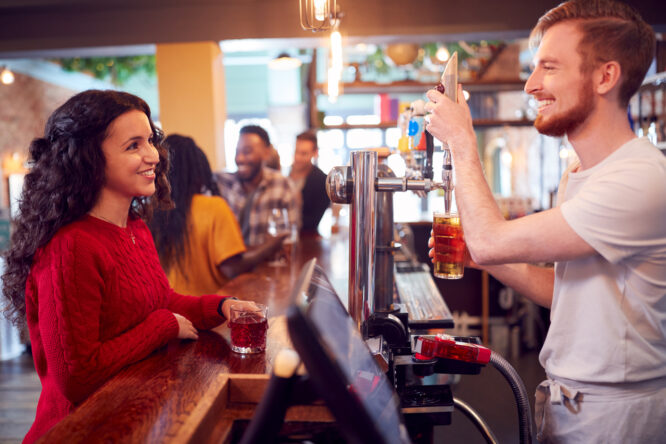
Bar staff are not responsible for a bad day, a difficult week, a disagreement with whoever you came out with, or the fact that the previous pub had a queue. Customers who arrive already in a bad mood and let that bleed into how they interact with staff are among the most consistently mentioned in these conversations. Nobody is asking for warmth and enthusiasm at eleven o’clock on a Saturday night, but basic civility costs nothing. The people behind the bar are doing a physically demanding job in a loud environment for a wage that doesn’t reflect how much the role requires of them, and that’s worth keeping in mind.
You tip when it feels right.
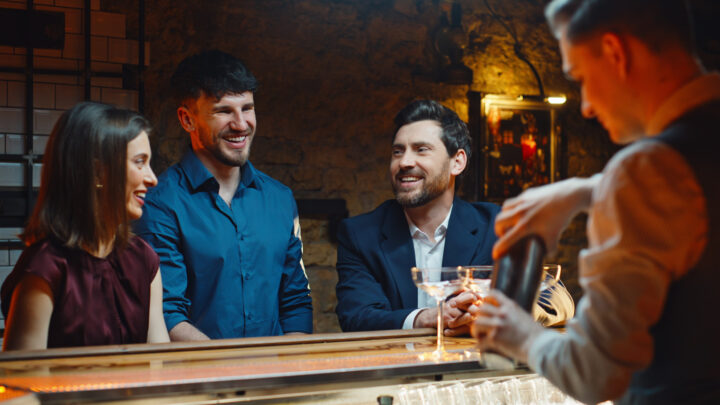
Tipping in UK pubs is less formalised than in some other countries and nobody expects it, but bar staff genuinely appreciate it when it happens. More than the money itself, it tends to be remembered because it signals that someone had a good time and wanted to acknowledge it. Regular customers who tip occasionally, or who are just consistently pleasant and easy to serve, tend to find they’re remembered in a positive way—better service, a friendly face, someone who’s glad to see them come in. That kind of relationship with a local pub is a genuinely nice thing to have, and it starts with treating the people who work there like the job they’re doing actually matters.