Lack of sleep is frustrating, but we’ve all experienced it at some point.
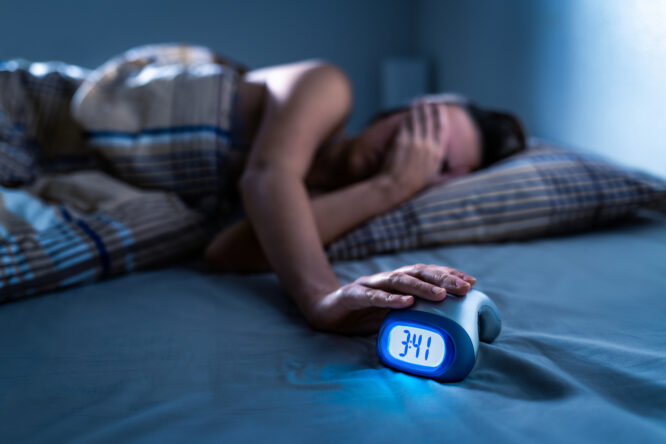
Everyone’s had the odd rough night where you toss and turn, stare at the ceiling for hours, and end up dragging yourself through the next day on sheer willpower and mugs of strong coffee. When you’ve got a stressful week or a noisy neighbour, losing a bit of shut-eye is completely normal.
Things start to look very different when broken sleep turns into a relentless routine that starts messing with your mood, your physical health, and your ability to function. Serious insomnia goes far beyond simply feeling a bit groggy in the afternoon; it comes with clear warning signs that show your body needs proper help rather than just an early night. If you’re struggling to drop off or stay asleep, here’s how to tell when your restless nights have crossed the line into something you really shouldn’t brush off.
What actually counts as insomnia rather than just a bad night?

The general definition covers problems getting to sleep, staying asleep, or waking up too early, even when there’s been a proper opportunity for adequate rest. The clinical definition adds more specific criteria, requiring this to happen at least three nights a week for a minimum of three months before it’s classified as chronic insomnia.
That distinction matters because occasional poor sleep, even a stretch of several rough nights, doesn’t automatically mean chronic insomnia. It’s the persistence over months, rather than a single bad patch, that tips it into a true sleep disorder.
What triggers insomnia in the first place?

In the first couple of weeks, insomnia typically develops as a direct response to some kind of stressor. That could be a physical illness, a psychological one, or a broader life event like losing a job or the end of a relationship. The tricky part is that the lifestyle adjustments people naturally reach for to compensate often end up making things worse rather than better, keeping the insomnia going long after the original trigger has passed.
The fixes often become the problem.

The core challenge with insomnia is that the very things people do to compensate for it can end up giving it its own momentum. Going to bed early, taking naps, or having a lie-in are all common responses, alongside reaching for coffee to stay alert or alcohol to help fall asleep.
Each of these habits can disturb the sleep process in its own right. What starts out as a completely normal, adaptive response to stress can gradually turn into a standalone sleep problem, one that persists well beyond whatever originally caused it.
There are several warning signs to watch out for.

A common pattern involves getting into bed and being unable to switch off, with a racing mind that slips into rumination, worry and overthinking. Other signs include still feeling exhausted after waking, waking too early and being unable to drift back off, waking multiple times through the night, and feeling tired and irritable throughout the day.
Another distinctive feature is developing an aversion to the bedroom itself over time. Many people with insomnia have no trouble at all in the early evening, but as soon as they enter the bedroom and the lights go off, the struggle begins. This is known as hyper-arousal, where the bedroom itself becomes associated with a negative, stressful space rather than a place of rest.
How insomnia affects everyday life

A single bad night’s sleep is enough to leave most people a little moodier, more irritable, and noticeably less sharp the next day. But when poor sleep persists over a longer stretch, clear associations start emerging with longer-term mood issues, particularly depression.
Insomnia has also been linked to the worsening of other existing illnesses, meaning its impact often extends well beyond simply feeling tired, touching on both mental and physical health more broadly.
What actually raises your risk of developing it?

Certain personality traits appear to increase susceptibility, particularly a tendency toward anxiety, excessive worry and perfectionism. A previous history of insomnia is another strong indicator, with a high likelihood of it returning unless it’s been properly treated the first time round.
Age plays a role too. As people get older, the underlying sleep system becomes more vulnerable to disruption, partly because the mechanisms that keep sleep regular naturally start to weaken over time. Older adults are also more likely to be managing chronic illness and taking medications that can interfere with sleep quality.
Menopause is a particularly notable risk factor.

Hormonal fluctuations during menopause have a direct impact on sleep, and insomnia rates run measurably higher among menopausal populations compared to those who haven’t gone through it. This is one of the more overlooked risk factors, despite affecting a huge proportion of women at some stage in life.
When it’s actually time to seek help

Insomnia tends to transform into something abnormal after roughly two weeks, and the general advice is to speak with a GP once symptoms have persisted beyond that point. Seeking help sooner rather than later tends to lead to better outcomes overall, rather than waiting to see if things resolve on their own.
How insomnia is treated

Cognitive behavioural therapy for insomnia, commonly known as CBT-I, is considered the first line treatment. It’s a structured talking therapy delivered over roughly six to eight weeks, addressing both the dysfunctional thoughts around sleep and the practical side of restoring proper sleep regularity.
There are two main components involved. The cognitive side helps people identify their specific worries, anxieties and any inflated or unhelpful beliefs they’ve developed around sleep, using techniques like structured worry time to help quiet a racing mind before bed. The behavioural side focuses on regulating the sleep process itself, building up the natural drive to sleep, and clearing worries and concerns well before actually getting into bed each night.