The conversation around injections like Mounjaro and Wegovy usually focuses entirely on shedding pounds.
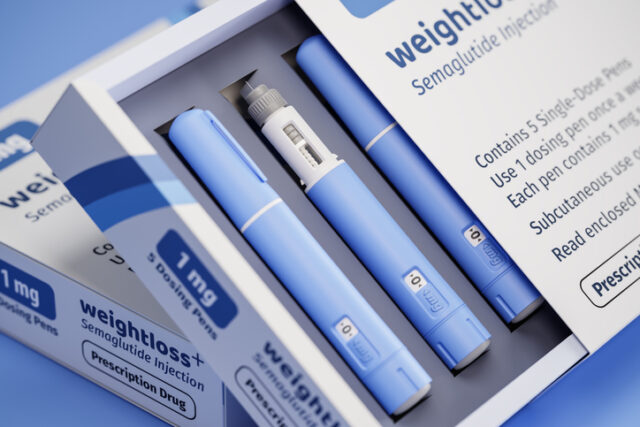
However, as millions of people use these medications, doctors are noticing a range of surprising health improvements that have nothing to do with waistlines. Patients are reporting unexpected benefits, from reduced inflammation to fewer cravings for alcohol, prompting clinical trials to see what else these jabs can treat.
The science suggests these drugs are doing a lot more inside the body than just switching off hunger signals, and exploring these secondary effects is completely changing our understanding of how this medication impacts overall health.
What these drugs actually are

GLP-1 drugs are a class of medicines that have completely transformed how doctors approach weight loss and type 2 diabetes. They were originally developed for diabetes but became hugely popular in the early 2020s when researchers spotted how effective they were at helping people lose considerable amounts of weight too. The big names include Ozempic, Wegovy, Mounjaro and Saxenda, all of which work in similar ways.
Roughly one in eight Americans now say they’re using these injections, which gives you a sense of just how mainstream they’ve become in a short space of time. The drugs work by mimicking a hormone called GLP-1 that your body naturally produces. This hormone helps regulate blood sugar, slows down digestion, and tells your brain you’re full, which is why people taking them often find it much easier to eat less without constantly feeling hungry.
This class of medication is getting scientists really excited.

What’s making researchers genuinely fascinated is that the benefits seem to stretch way beyond what these drugs were originally designed to do. Studies are now looking at how GLP-1 medicines affect almost every organ in the body, and the findings are pretty remarkable. Dr Ziyad Al-Aly, a clinical specialist at the John J. Cochran Veterans Hospital in Missouri, has said it’s important to systematically examine the drugs’ effects on every body system, leaving no stone unturned to understand what they actually do.
The early picture is genuinely encouraging. Researchers are seeing positive effects on inflammation, which is one of the underlying drivers of many serious diseases, including some cancers, dementia, and heart problems. The drugs aren’t being touted as a cure for everything, but the breadth of their benefits is making them one of the most exciting areas of medical research in years.
They can improve heart health.

One of the biggest discoveries is how much these drugs can help your heart. By reducing inflammation in the blood vessels, GLP-1 medicines tackle one of the root causes of heart disease, which remains the leading cause of death in many countries. Dr Christina Dunbar Matos, a cardiologist at Nebraska Medicine, has explained that being able to treat heart disease at its root rather than just managing the symptoms is a huge step forward.
Studies have shown that these drugs can reduce the risk of heart attacks and strokes in people who take them regularly. They’ve also been shown to help with a particular type of heart failure where the heart struggles to fill properly with blood, called HFpEF. Research from the University of Bristol and University College London even found that GLP-1 mimicking drugs could help prevent further tissue damage after a heart attack, which opens up the possibility of using them as a potentially life-saving treatment for people recovering from cardiac events.
They help the kidneys do their job.

Chronic kidney disease affects more than one in seven Americans, and a huge number of people don’t even know they have it. The kidneys are essentially the body’s filtration system, and when they start to fail, things go downhill quickly. The American Kidney Fund has confirmed that GLP-1 drugs can reduce the risk of kidney disease getting worse and lower the chances of developing full kidney failure.
The way they help is fairly straightforward. By controlling blood sugar levels, less sugar passes through the kidneys, which prevents damage to the tiny filters inside them. A recent Johns Hopkins study released this week found that the five-year risk of major cardiovascular events dropped by 15% in type 1 diabetes patients taking the drugs, and the risk of end-stage kidney disease dropped by 19%. Those are significant numbers for anyone facing the long-term complications of diabetes.
There’s good news for the liver too.

The liver is another organ that seems to genuinely benefit from these medicines. Harvard researchers have found that taking GLP-1 drugs can actually reverse liver scarring caused by a condition called metabolic dysfunction-associated steatotic liver disease, or MASH for short. MASH is one of the leading reasons why people need liver transplants, so the possibility of reversing the damage with a regular injection is a properly big deal.
A study from King’s College London showed that semaglutide, which is the active ingredient in Ozempic and Wegovy, effectively treats liver disease in around two-thirds of patients who take it. Last August, the US Food and Drug Administration approved Wegovy specifically for treating MASH in adults with excessive scar tissue in the liver, which gives doctors a powerful new tool for tackling a condition that used to be very difficult to manage.
The cancer connection shouldn’t be ignored.

One of the most surprising areas of research is the link between GLP-1 drugs and cancer risk. People with obesity are at higher risk of developing several types of cancer, and around 2.1 million new cancer cases are expected in the US this year alone. Researchers at Purdue University have found that people taking GLP-1 drugs may have a reduced risk of developing 14 different types of cancer.
The standout finding was a 47% lower risk of ovarian cancer among users. Other cancers showing reduced risk include certain bowel, breast and pancreatic cancers, although the picture is still being researched. The reduction in risk seems to be partly because of weight loss itself, since obesity drives cancer risk, but also partly because of the way the drugs reduce inflammation throughout the body. Either way, the early signs are very promising and scientists are eagerly digging into the details.
Could it help with dementia?

The biggest question of all is whether GLP-1 drugs could help people with Alzheimer’s disease and other forms of dementia. Around 7.2 million Americans currently live with Alzheimer’s, and the numbers keep climbing as populations age. So far the research has produced mixed results, but some of it is properly exciting.
A trial last November found that semaglutide pills didn’t slow Alzheimer’s progression compared to a placebo, which was a disappointing result. But separate research using a different GLP-1 drug called liraglutide showed something remarkable in December. Patients taking the drug had nearly 50% less brain volume loss and an 18% slower decline in their cognitive function. Paul Edison, a professor of neuroscience at Imperial College London, has suggested that the negative trial result might just mean the drug couldn’t access the brain properly, rather than the underlying idea being wrong.
How the drugs actually do all this

The common thread running through all these benefits seems to be inflammation. Chronic low-level inflammation is now understood to play a role in heart disease, cancer, dementia, liver disease and kidney problems. GLP-1 drugs appear to reduce this inflammation across multiple organ systems, which is why their benefits seem so wide-ranging.
On top of that, the weight loss itself brings huge health gains. Carrying excess weight puts strain on virtually every part of the body, and reducing that load gives organs a chance to recover and work better. Blood sugar control, blood pressure regulation and improved cholesterol levels all stack up to create a much healthier internal environment, which lowers the risk of dozens of conditions.
It’s not all good news, of course.

For all the excitement, GLP-1 drugs do come with downsides. Side effects are common, including nausea, vomiting, diarrhoea and constipation, particularly in the first few months. Some users have reported more serious issues like pancreatitis or gallbladder problems, although these are relatively rare. The drugs also come with a hefty price tag, with monthly costs often running into hundreds of pounds for those paying privately.
There’s also the question of what happens when people stop taking them. Many users find that the weight returns once they come off the injections, which means the medication often needs to be taken long-term to maintain the benefits. The long-term safety of these drugs over decades hasn’t been fully studied yet, simply because they haven’t been widely used long enough. Doctors and scientists are still working out the full picture.
Who can actually get them in the UK

In the UK, GLP-1 drugs are available on the NHS in certain circumstances, primarily for people with type 2 diabetes or those who are clinically obese with related health conditions. The criteria are quite strict, and waiting times can be long depending on where you live and which drug you’re being prescribed. Many people in the UK are choosing to access these medicines privately through online pharmacies or weight loss clinics, where costs typically range from £150 to £300 a month.
If you’re considering these drugs, the best starting point is always a proper chat with your GP. They can help you understand whether they’re right for your particular situation, what side effects to expect, and how to access them safely. Buying them through unofficial sources is genuinely risky, since fake products have been showing up on social media and unregulated websites with potentially dangerous ingredients.
What this means going forward

The story of GLP-1 drugs is still very much being written. What started as a treatment for diabetes has turned into one of the most exciting areas of medical research in years, with potential implications for heart disease, cancer, dementia, liver disease, kidney disease and probably more conditions we haven’t even discovered yet. The drugs are far from a magic bullet, but the breadth of their benefits is genuinely changing how doctors think about treating chronic illness.
For now, the message from researchers is clear. There’s huge promise here, but plenty of questions remain about long-term safety, who benefits most, and exactly how the drugs achieve all the effects they seem to. As more studies come out over the next few years, we’ll get a much clearer picture of just how transformative these medicines could be. For millions of people living with serious health conditions, the next decade of GLP-1 research could be life-changing in ways that even the original developers never imagined.