UK geography sounds like it should be the easy stuff.
After all, it’s our own country, and you’d think we’d all have a decent grasp of it by now. Then someone asks where the River Severn ends, and you realise you’ve got no idea. Have a go at these 16 and see how many you actually know. Some are easier than others, but all of them will likely make you dig back into your secondary school geography lessons to see what you can remember.
1. What is the longest river in the UK?
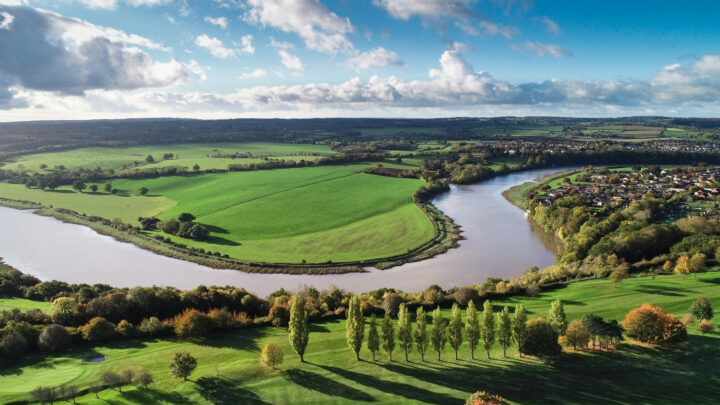
This one trips up a lot of people, who tend to assume it’s the Thames. It actually rises in the mountains of mid Wales, flows through Shrewsbury and Worcester, and ends in the Bristol Channel. It’s about 220 miles from source to sea, which is properly longer than most people guess.
2. What is the highest mountain in the British Isles?
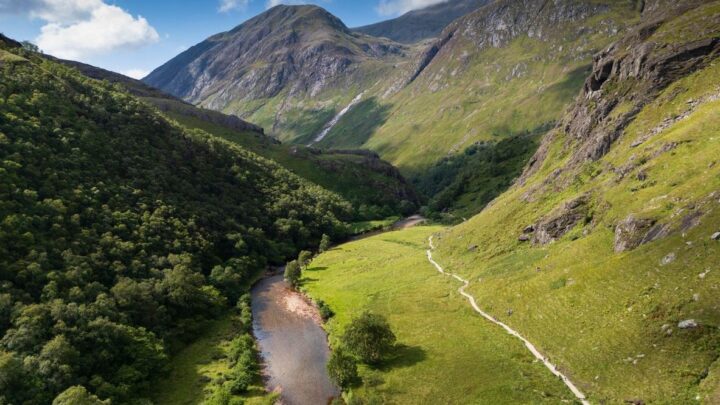
It sits in the Scottish Highlands, near the town of Fort William, and stands at 1,345 metres. Plenty of walkers attempt it every year, though weather conditions near the summit can be properly serious even in summer.
3. Which English county has the longest coastline?
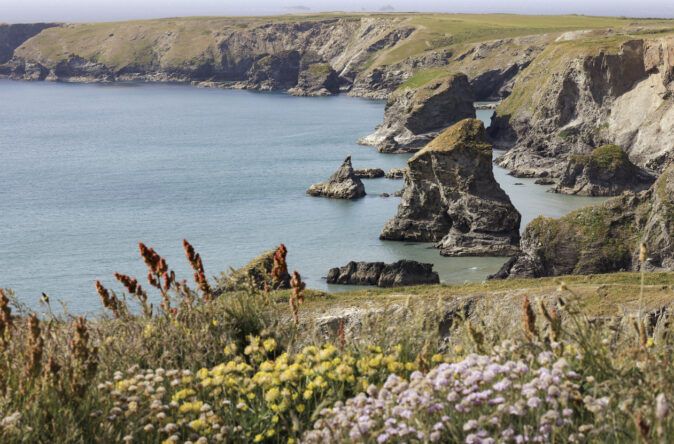
You might think it’s somewhere obvious like Devon or Norfolk, but the answer is further south-west and known for its pasties, cream teas, and surfing. The coastline stretches for around 1,086 kilometres, full of coves, beaches, and dramatic cliffs.
4. What is the smallest country in the UK by population?
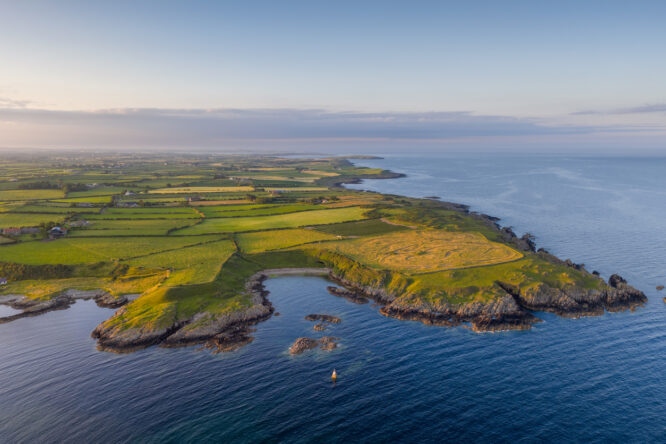
It’s one of the four constituent countries of the United Kingdom, and it has a population of around 1.9 million. It’s known for its rugged Atlantic coastline, its capital Belfast, and a fairly recent history of political division.
5. Which is the largest lake in the UK by surface area?
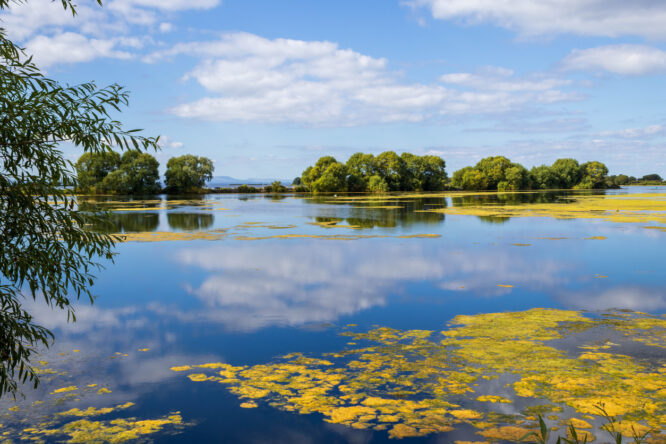
It’s in Northern Ireland and covers about 150 square miles, making it significantly larger than anything in the Lake District or Scotland. The clue is that “Lough” features in the name.
6. Which English city was once a Roman spa town and is famous for its hot springs and Georgian architecture?
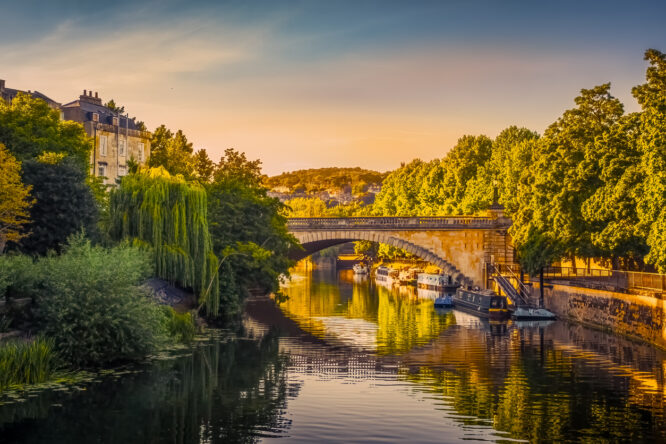
It sits in Somerset, in the south-west of England, and is named after the very thing that made it famous. The Romans built elaborate facilities there nearly 2,000 years ago, and the centre of the town is a UNESCO World Heritage Site.
7. Which UK city is furthest north?
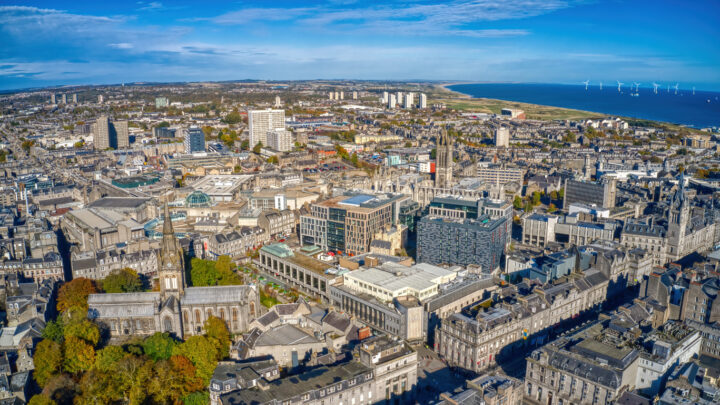
It sits at a latitude of around 57 degrees north, further north than Moscow, and it’s known for its connection to Jacobite battlefields and its proximity to Loch Ness. The clue is that it sits on the north-east coast of Scotland.
8. What is the smallest historic county in England by area?
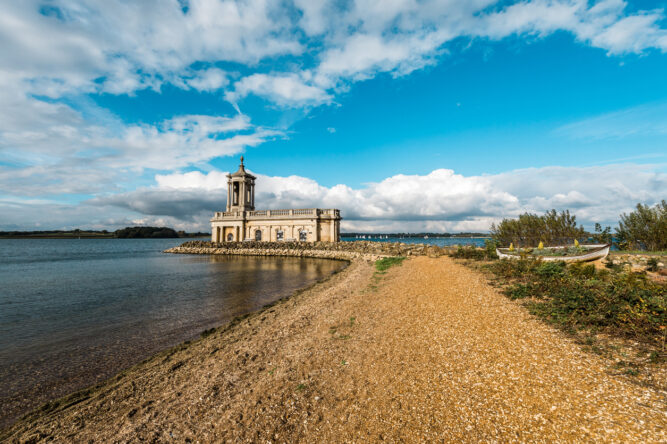
It was abolished as a county in 1974, then restored in 1997 after locals campaigned to get it back. It sits in the East Midlands, is entirely landlocked, and is home to a famous water reservoir. Its Latin motto is “Multum in Parvo,” meaning “Much in Little.”
9. Which sea separates Northern Ireland from Scotland?
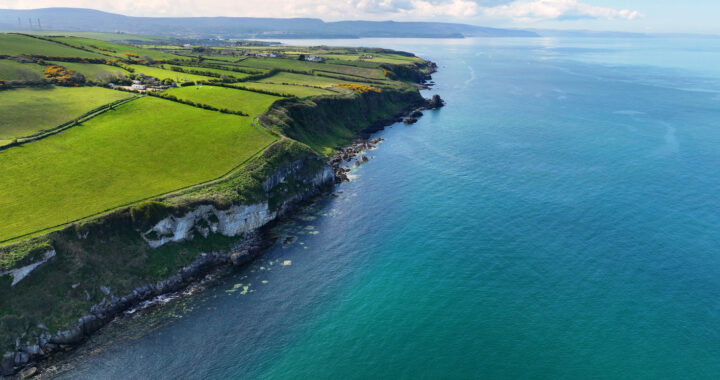
It’s also the body of water you’d cross on the ferry from Cairnryan to Belfast. It’s known for being shallow, choppy, and full of marine wildlife.
10. What is the highest mountain in Wales?
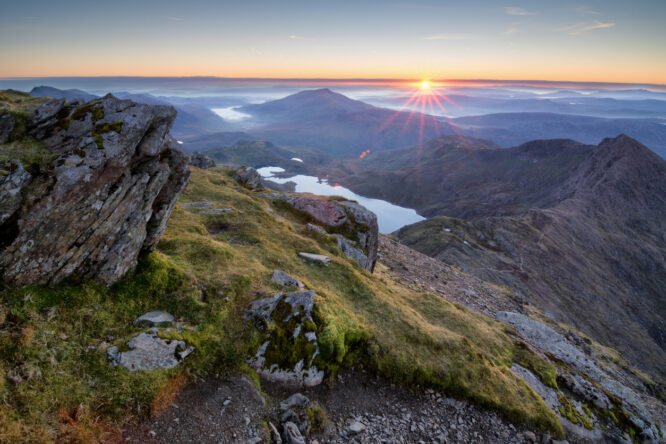
It sits in the Eryri National Park (previously known as Snowdonia) and reaches 1,085 metres. There’s actually a railway you can take to the summit if you don’t fancy walking up.
11. The Isle of Man is part of the UK. True or false?
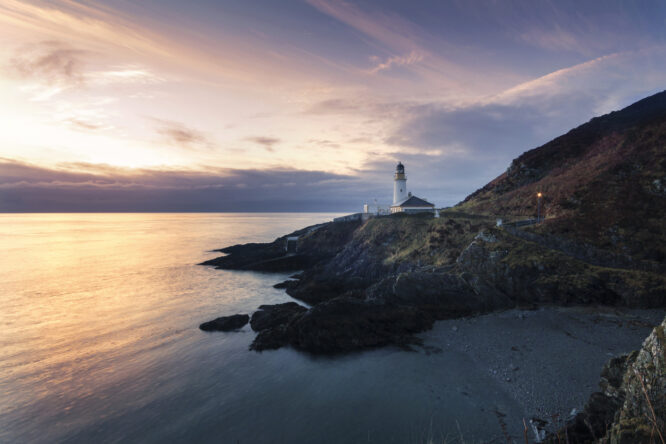
This one catches people out constantly. It sits in the Irish Sea, has its own parliament called the Tynwald, prints its own money, and is a popular spot for the annual TT motorcycle races. Worth thinking carefully before answering.
12. What is the most westerly point of mainland England?
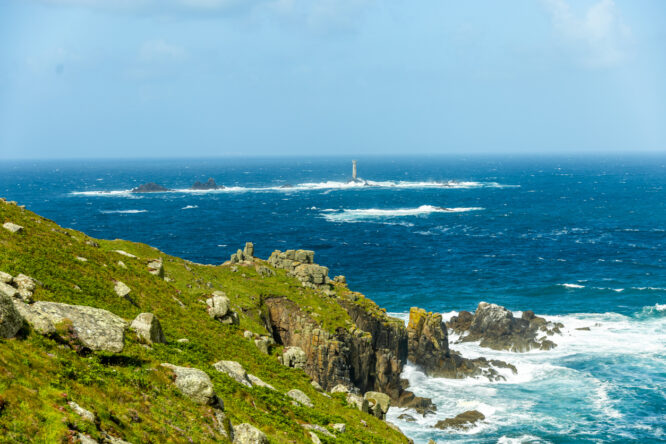
It’s a small village in Cornwall, with a famous coastal landmark and a tourist attraction that markets itself as the “first and last” place in England. The clue is that there’s a similar place at the easternmost point of England called Lowestoft, but this one is more famous.
13. Which mountain range runs through the middle of Northern England?
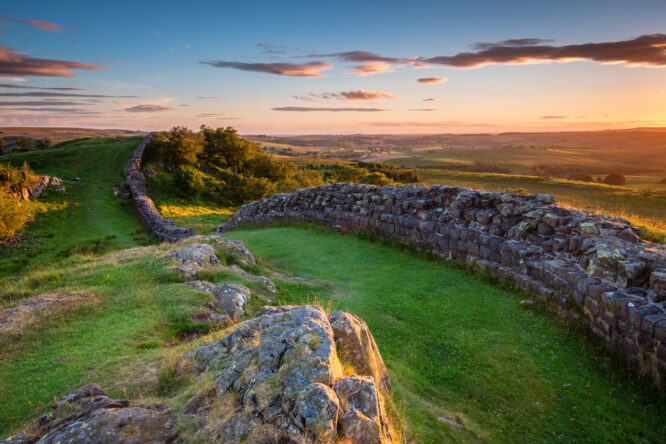
It’s often called “the backbone of England” and stretches from the Scottish border down to the Peak District. It includes peaks like Cross Fell and runs through several national parks.
14. What is the largest island off the coast of England?
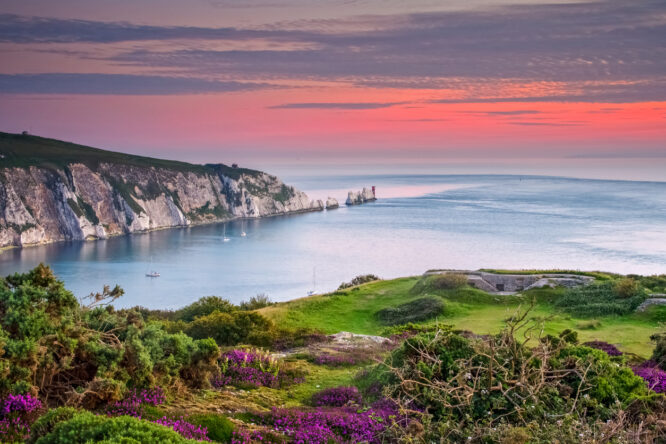
It sits off the south coast, separated from the mainland by the Solent. It’s famous for its sailing events, its festival, and being the place where Queen Victoria spent much of her time at Osborne House.
15. Which river flows through the city of York?
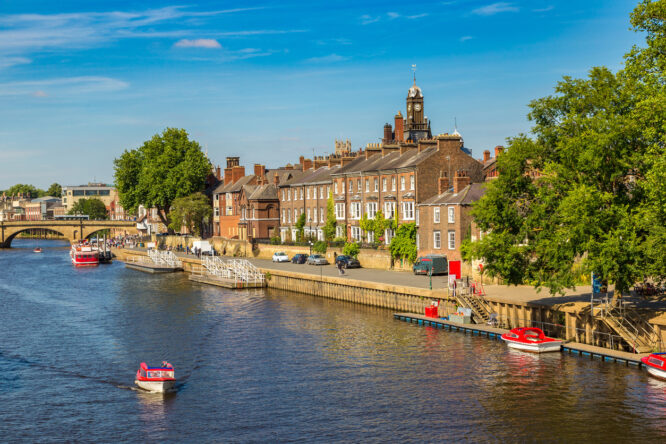
It’s not the Thames or the Severn. The river runs from the Yorkshire Dales down through the centre of York and out into the Humber estuary. It’s known for flooding the historic city centre fairly regularly.
16. How many ceremonial counties are there in England?
This is one of those questions where the answer depends on how you count, but the most commonly accepted figure refers to the ceremonial counties used for the appointment of Lord Lieutenants under the Lieutenancies Act 1997.
Answers

1. The River Severn.
2. Ben Nevis.
3. Cornwall.
4. Northern Ireland.
5. Lough Neagh.
6. Bath.
7. Inverness.
8. Rutland.
9. The North Channel (also accepted: Irish Sea).
10. Snowdon (Yr Wyddfa).
11. False. The Isle of Man is a Crown Dependency, not part of the UK.
12. Land’s End.
13. The Pennines.
14. The Isle of Wight.
15. The River Ouse.
16. 48 ceremonial counties.
If you got over 12, you can fairly claim to know your UK geography. Over 8 is respectable. Anything below that, time to dust off the atlas.