Mobility scooters and powered wheelchairs are a lifeline for many people, but there’s still a lot of confusion around what you can and can’t actually do with them.
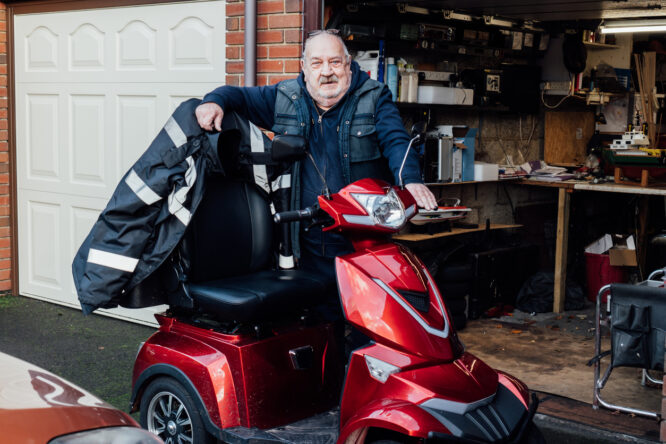
Most people think that hopping on a mobility scooter is as simple as turning a key and heading to the shops, but the UK actually has a surprisingly strict set of rules that can land you in a lot of hot water if you’re not careful. It isn’t just a case of point and go; there’s a whole legal divide between the small boot scooters you see on the pavement and the beefier models meant for the road, and getting them mixed up is a one-way ticket to a hefty fine.
We’ve got specific laws on everything from where you’re allowed to park to how fast you can actually travel, and many of these regulations are things the average person wouldn’t even think to check until a copper is pulling them over. It’s easy to assume these machines are treated like pedestrians, but the reality is that the law sees some of them as actual vehicles, complete with all the paperwork and dos and don’ts that come with it.
Who’s actually allowed to use a mobility scooter or powered wheelchair
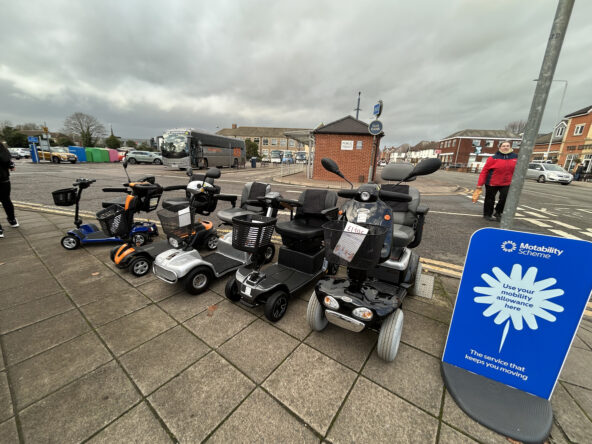
You can’t just use one because it looks convenient. The rules are clear that they’re intended for people who genuinely need them due to difficulty walking, whether that’s from injury, disability, or a medical condition. There are a few exceptions, like transporting one for repairs or demonstrating it, but everyday use is meant to be linked to mobility needs.
This matters more than people think. If you’re using one without meeting those conditions and something goes wrong, you could be treated in the same way as someone misusing a motor vehicle. That means serious consequences rather than just a warning.
Why the class of your scooter changes everything
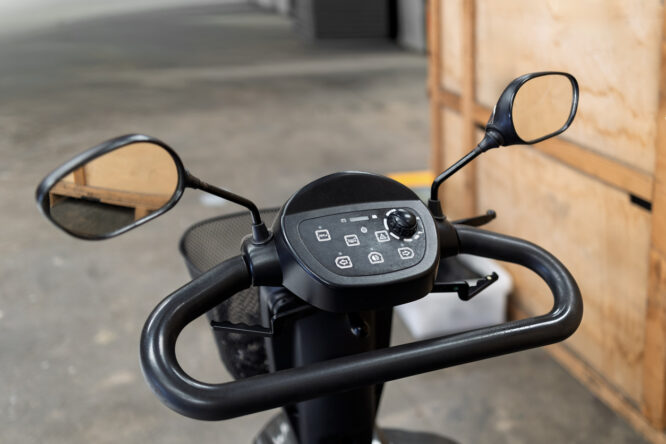
Before you go anywhere, you need to know what class your vehicle falls into. Most mobility scooters and powered wheelchairs are either class 2 or class 3, and that determines where you’re allowed to use them.
Class 2 vehicles are slower and designed mainly for pavements, while class 3 models can go faster and are allowed on roads as well. If you don’t know which one you’ve got, it’s worth checking with the seller or manufacturer because the rules you need to follow depend entirely on that.
The simple speed rule that defines class 2 and class 3
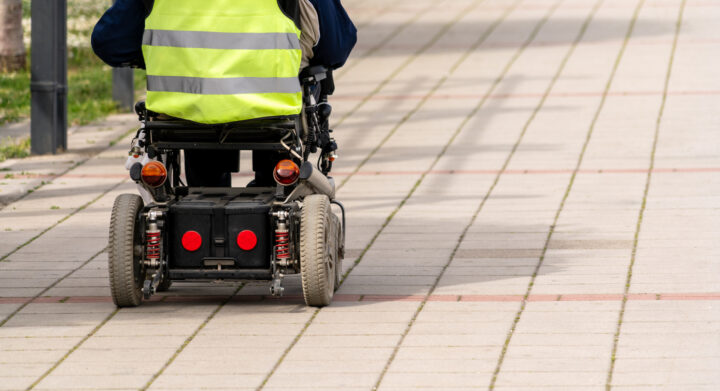
The easiest way to tell the difference is speed. If your scooter has a maximum speed of 4 mph, it’s usually class 2. If it can reach up to 8 mph, it’s class 3. That might sound like a small detail, but it has a big impact on where you can legally drive. It’s one of the first things authorities look at if there’s ever an issue, so it’s worth knowing rather than guessing.
Where you can actually drive, depending on your scooter
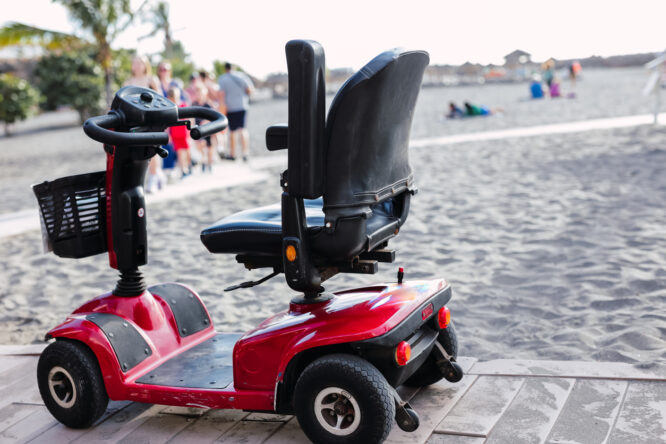
Both class 2 and class 3 vehicles can be used on pavements, footpaths, and other pedestrian areas, as well as on cycle tracks that are separated from the road. That covers most everyday use, especially for shorter journeys. Class 3 scooters go a step further and can also be used on the road, which makes them more flexible for longer distances. The key is understanding that not all routes are open to every type of scooter, even if they look similar.
The places you’re not allowed to use them
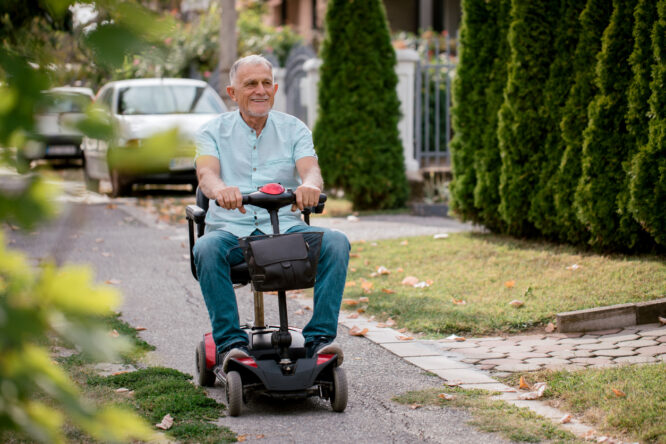
There are some clear restrictions that often get overlooked. Mobility scooters and powered wheelchairs cannot be used on cycle lanes that run alongside the road, even though they can use separate cycle tracks. They’re also banned from bus lanes and motorways, and those rules are enforced in the same way as they would be for other vehicles. It’s not just guidance, it’s something you can be stopped for if ignored.
What happens if your scooter doesn’t fit into a class
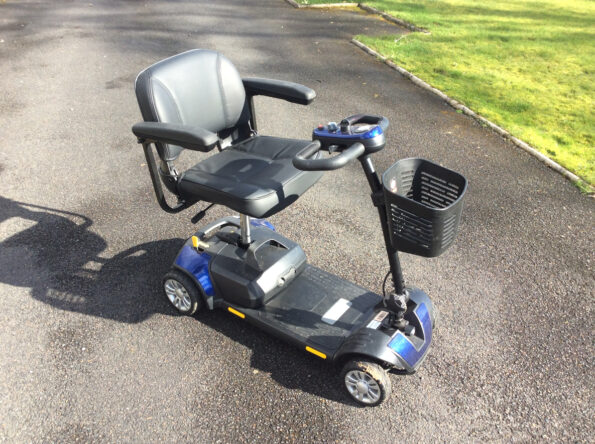
If your vehicle goes over 8 mph, is wider than 0.85 metres, or exceeds the weight limits, it falls outside the standard class system. At that point, it’s treated much more like a motor vehicle. That means stricter rules. You’ll need a driving licence, and you won’t be allowed on pavements or pedestrian areas at all. It’s a big shift, and one that catches people out if they upgrade without checking the details.
The rules for using your scooter on the road
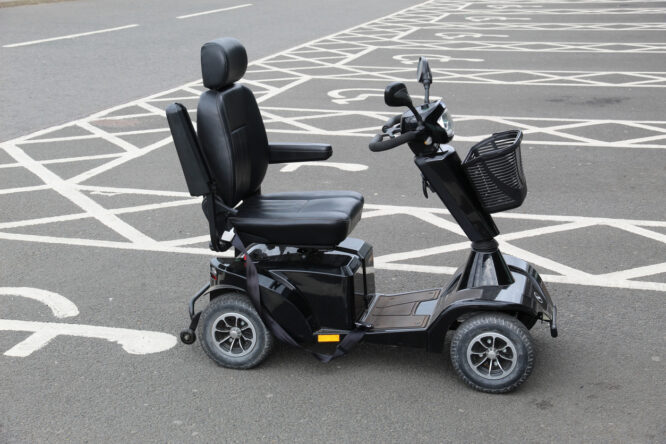
If you’re driving on the road, your scooter needs to meet certain requirements. It must have proper brakes, lights, indicators, a horn, and a mirror, along with a clear view of the road ahead. You also need to follow the Highway Code just like any other road user. That includes sticking to where you’re allowed to drive and being aware of traffic conditions, especially on busier roads.
Why dual carriageways need extra care
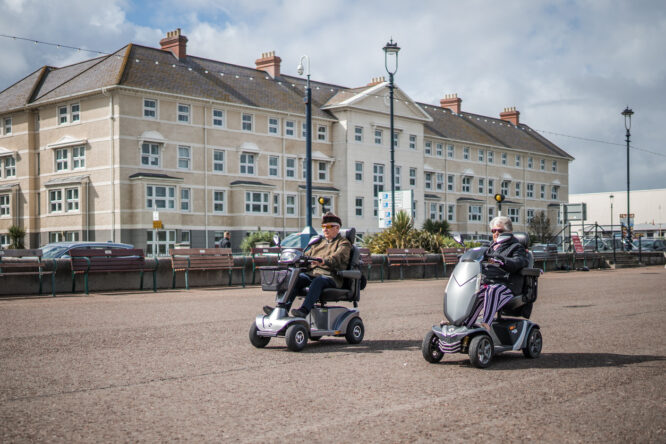
You can use a class 3 scooter on some dual carriageways, but it’s not always a good idea. Roads with speed limits over 50 mph should generally be avoided if possible. If you do use one, you’re expected to have an amber flashing light for visibility. This isn’t just a suggestion, it’s about making sure other drivers can actually see you in a faster-moving environment.
The pavement rules most people don’t realise they’re breaking
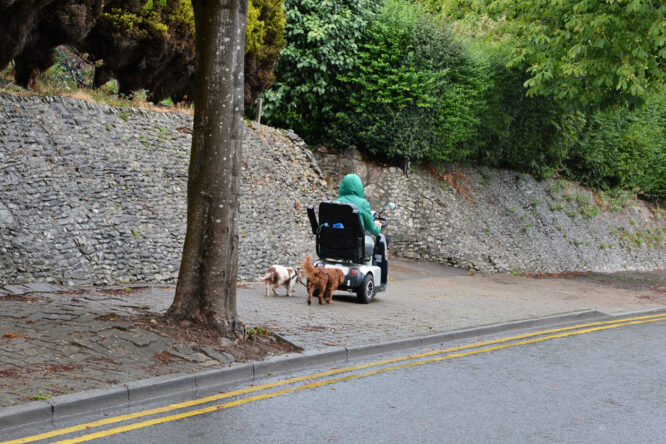
When you’re on pavements or pedestrian areas, the maximum speed is 4 mph, even if your scooter can go faster. That’s to keep things safe for everyone sharing the space. You’re also expected to give way to pedestrians and drive with care. It’s not treated like a private lane, it’s a shared space where you need to adjust your speed and behaviour accordingly.
Parking rules still apply, even for mobility scooters
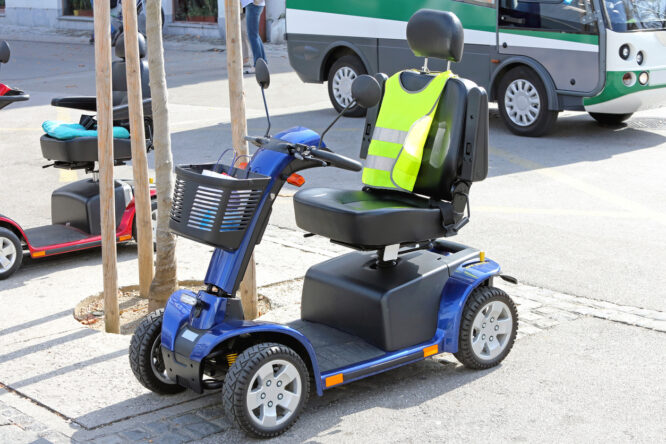
It’s easy to assume normal parking rules don’t apply, but they do. You can’t leave your scooter somewhere that blocks the pavement or gets in the way of other people. This is especially important in busy areas where space is limited. Blocking access for prams, wheelchair users, or pedestrians can cause real problems and may lead to complaints or enforcement action.
The eyesight rules you’re expected to meet
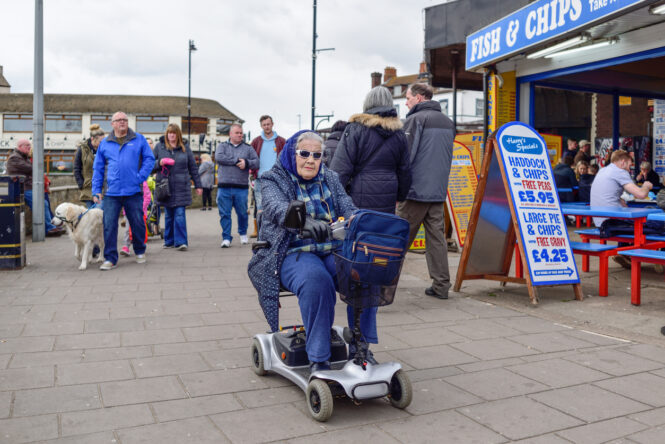
You need to be able to see clearly enough to use your scooter safely. For class 2 and class 3 vehicles, that generally means being able to read a car number plate from about 12 metres away. If your vehicle falls outside the class system, the requirement is stricter, closer to 20 metres. It’s something you’re expected to check regularly, not just assume is fine.
When you need to register your scooter with DVLA
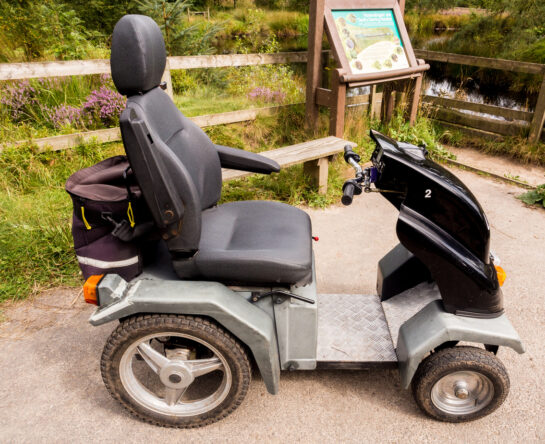
If your scooter is class 3 or not in a class at all, it must be registered with the DVLA. This is usually done by the dealer when you buy it, but not always. If it hasn’t been registered, you’ll need to do it yourself. It’s a straightforward process, but it’s one that needs to be done before you start using it on the road.
Insurance isn’t always required, but it can still matter
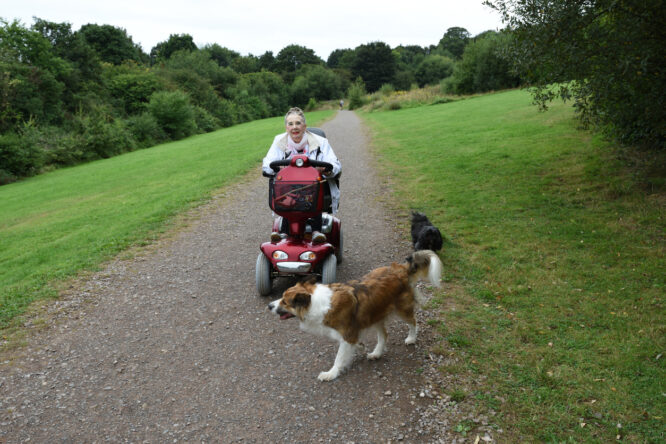
For standard class 2 and class 3 scooters, insurance isn’t legally required, although it’s often recommended. It can provide protection if something goes wrong, especially in busy areas. If your vehicle falls outside the class system and is heavier, insurance may be mandatory. That’s another reason why knowing your scooter’s classification is so important.
Why following the rules matters more than people think
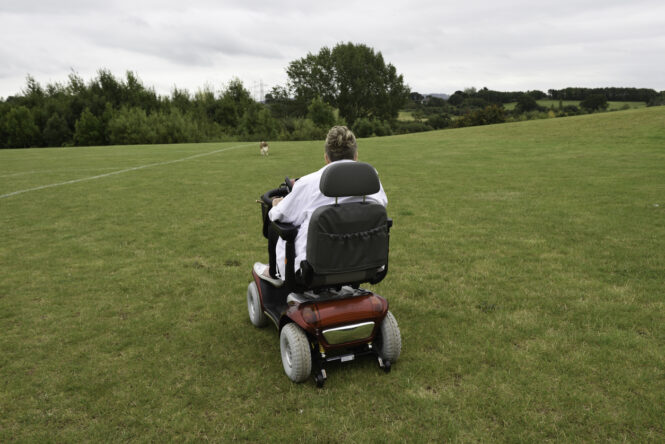
A lot of these rules can seem like small details, but they carry real weight. If you cause an accident while breaking them, you could face serious penalties, including fines, bans, or even prison in extreme cases. That’s because once you step outside the rules, your scooter is treated much more like a motor vehicle. It’s not just about safety, it’s about legal responsibility as well.
The simple way to stay on the right side of the rules
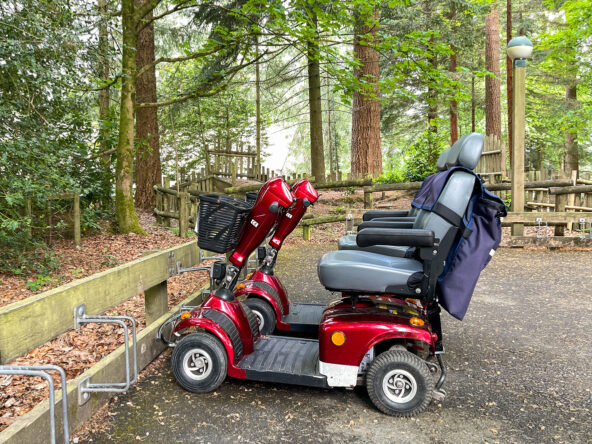
In practice, most of this comes down to three things. Know your scooter’s class, use it in the right places, and drive in a way that keeps other people safe. If you keep those basics in mind, everything else becomes much easier to manage. It’s less about memorising rules and more about understanding how your vehicle fits into the wider road and pedestrian system.
For full guidelines on mobility scooter usage in the UK, visit the GOV.UK website.