The copper telephone network that has been in place since the Victorian era is being retired, and the deadline is closer than most people realise.

From January 2027, traditional landline services will no longer be available to anyone with a broadband connection, and calls will instead be made using a digital system that runs through your internet connection. It’s the biggest change to how the UK communicates since analogue television was switched off, and it will affect anyone who currently has a landline phone at home.
The technology replacing it is called Digital Voice, which is the name BT uses for its version of the service. Other providers use similar names—Sky Voice, TalkTalk Voice—but they all work in essentially the same way. The good news is that for most people, the practical difference will be minimal. The concern is around those who rely on their landline most heavily, and whether the transition is being handled carefully enough for them.
What Digital Voice actually is and how it works

Digital Voice uses something called Voice over Internet Protocol, or VoIP, which converts your voice into a digital signal that travels over your broadband connection rather than through a copper wire. It’s the same underlying technology used by WhatsApp calls, FaceTime, and Skype, though you won’t need any of those apps to use it. Your existing landline phone plugs into your router instead of a phone socket, and from there it works much as it always has, with the same number, same dial tone, and same way of making and receiving calls.
Most phones will be compatible without any changes needed, particularly DECT cordless phones, which are the most common type in UK homes. BT has said 99% of current handsets will work with its Digital Voice service, and where an adaptor is needed, it will provide one free of charge. Older phones that aren’t compatible can be replaced at a discounted rate through the provider.
When will this actually come into effect?

Your provider will contact you before your line is migrated, and BT is giving customers at least four weeks’ notice before making the switch. The rollout is happening region by region, and BT has already moved over two million customers across. If you switch broadband provider or upgrade to full fibre in the meantime, you’re likely to be moved to a digital phone service as part of that process, regardless of where the wider rollout has reached in your area.
There’s also a less predictable route to being switched over sooner than expected. If the copper infrastructure in your local area fails or a phone exchange develops a fault, it won’t be repaired. The investment in maintaining the old network has stopped, and a failure could mean being moved to digital services ahead of schedule with little warning. It’s not the most common scenario, but it’s worth knowing about, particularly if you’re in a more rural area where infrastructure can be more vulnerable.
The biggest risk is what happens during a power cut.

Traditional landlines work during a power cut because they draw power from the phone network itself rather than from your home’s electricity supply. Digital Voice doesn’t have that advantage; if the power goes out, your router stops working, and so does your phone. For the majority of people this isn’t a major problem because mobile phones fill the gap, but for those who don’t have a mobile or live somewhere with poor signal, it’s a genuine safety concern.
Providers are required to have solutions in place for vulnerable customers. BT is supplying battery backup units to those who need them, which keeps the service running for around an hour during an outage, as well as hybrid phones that can switch to a mobile network if broadband goes down. Virgin Media has a similar device available. The issue that has been raised by regulators is that providing the equipment is only half of it. Making sure vulnerable customers actually have it set up and working is equally important, and that process has had some stumbles already.
Personal alarms and telecare devices need specific attention.

Around 1.8 million people in the UK use telecare devices, such as personal alarms, fall detectors, and home monitoring systems that connect through the phone line and allow people to call for help if something goes wrong. Not all of these will automatically work with a digital phone line, and this is one of the areas where the switchover requires the most careful handling.
Providers have committed not to migrate anyone with a telecare device until they can confirm a compatible solution is in place. Many devices have already been tested and will work fine with Digital Voice through an adaptor, but others will need replacing. If you or a relative uses a personal alarm or similar device, it’s worth contacting both the telecare provider and the telecoms provider to check the position before migration happens, rather than waiting to find out on the day. Larger telecare companies have been planning around this for some time and will generally be able to tell you whether the specific device in use is compatible.
Burglar alarms may also be affected.
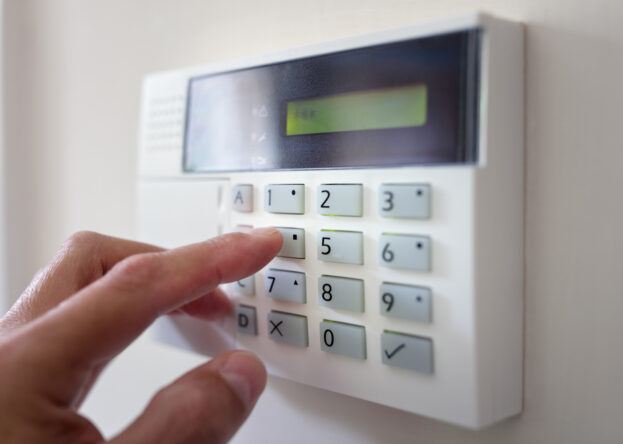
Home security systems that connect through the phone line are another area to check. Some will continue to work via a router and adaptor, but others won’t be compatible with digital services and may need upgrading or replacing, which can come at a cost. Reputable alarm companies have been aware of the switchover for some time and most have been testing compatibility, so contacting your provider to ask directly is the most straightforward route to finding out where you stand.
One caution worth flagging is that scammers have been exploiting confusion around the Digital Voice rollout. There have been cases of people being called and told they need to pay to upgrade their alarm or share personal information to keep their device working. You should never be charged simply to move to Digital Voice, and if you’re called out of the blue with a tight deadline and a request for bank details or personal information, treat it with significant scepticism.
You won’t have to pay for the switch, and you can keep your number.

The migration to Digital Voice is free. Your phone number stays the same in the vast majority of cases, and your voicemail service will continue to work. The main exception to keeping your number is if you change providers before being migrated, or if you move address, so it’s worth checking with your provider if either of those situations applies to you.
If you don’t want a landline at all, that option is available too. Broadband-only deals have been offered by some providers for a while, and the switchover makes this easier to access across the board. For those who only have a landline and no broadband, there are protections in place to ensure you won’t be forced onto a broadband package you don’t want or need. A dedicated service will continue to be available using the existing copper infrastructure until at least 2030, at which point an alternative solution will be provided.
For most people the change will be straightforward, but preparation helps.

The practical reality for the majority of households is that Digital Voice will work perfectly well and the transition will be uneventful. Plug the phone into the router, keep the same number, carry on as before. The call quality is generally at least as good as the old system, and there are some added benefits over time, including better protection against scam and nuisance calls. In fact, BT already blocks around 20,000 scam calls a day for Digital Voice customers.
Where preparation genuinely matters is for anyone who relies heavily on their landline, lives somewhere with patchy mobile signal, uses a telecare device, or has a burglar alarm connected through the phone line. Getting ahead of those questions now, before your provider contacts you about migration, gives you more time to sort things out without any pressure. Your provider’s priority queue and vulnerable customer register are both worth knowing about if any of those circumstances apply to you or someone you look after.
For a full rundown on the switch to digital telephone services, you can visit the Gov.UK website’s guide here.