The summer of 2025 was the hottest Britain had ever seen, and homeowners felt it in their wallets.

Insurance companies paid out £307 million in subsidence claims that year, the highest figure ever recorded. Now, with 2026 already breaking June heat records, the industry is bracing for something it hasn’t seen since 1990 and 1991 — two bad years for subsidence happening back to back.
Subsidence is what happens when the ground beneath a house moves. Very hot weather dries out clay soil, which causes it to shrink and shift, and when the ground moves, the house sitting on top of it moves too. Cracks appear in walls, doors start sticking, windows jam. It doesn’t happen overnight, but the damage builds up quietly and the repairs aren’t cheap.
This summer is particularly worrying, even if it cools down.
The concern isn’t just about how hot this summer gets. The ground is already in a weakened state from last year, and trees that stretched their roots further during the 2025 drought are still pulling a lot of moisture from the soil around them. Experts monitoring the data say the clay soil has already shrunk 12 mm more than it had at the same point last year, and summer isn’t finished yet.
What specialists are saying is that even if the rest of the summer turns out fairly average in terms of rainfall, there will still be a noticeable increase in subsidence cases. If the heat continues, it could be another full surge year on top of one the industry is still catching up from. The people who handle these claims are already stretched from 2025, which isn’t a reassuring starting point.
What should you look out for in your own home?
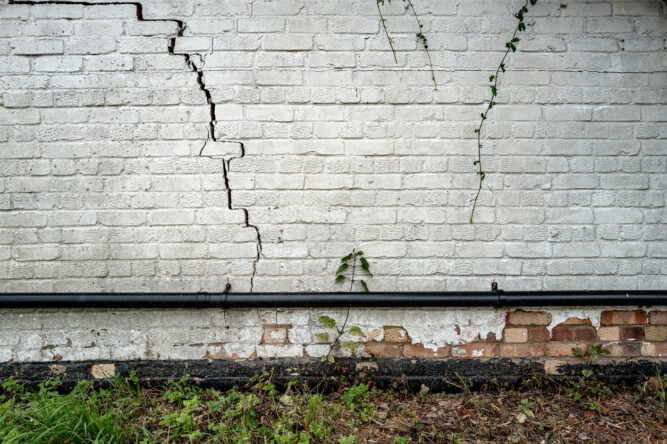
The early signs are easy to miss or put down to something else. Doors that suddenly won’t close properly, windows that stick in their frames, and new cracks appearing in walls or around doorframes are the main things to watch for. The key word there is new—all houses move a little over time, and not every crack means something is seriously wrong.
If you do spot cracks, keep an eye on whether they’re changing size. One that stays the same for several weeks is a very different situation from one that’s clearly getting bigger. If you’re worried, it’s worth speaking to your insurer, though some experts suggest getting an independent assessment first so you know what you’re actually dealing with before that conversation happens.
Not every crack means subsidence, and the difference matters.

Hot weather causes building materials to expand, and when they cool back down, they contract again. This is called thermal movement, and it can produce cracks in brickwork, concrete, and timber that look concerning but aren’t actually a structural problem. It’s happening more often as summers get hotter, and it can look very similar to early subsidence damage, which is why getting a professional to look at any cracks is more useful than trying to work it out yourself.
The type of ground your house sits on also changes the risk level considerably. Living in an area known for clay soil doesn’t automatically mean your home is in danger because sometimes the clay is buried under several metres of sand and gravel that cushions the effect. Some types of clay also barely shrink at all in the heat. A proper risk assessment can tell you where your home actually stands, which is useful both for peace of mind and for talking to your insurer about your policy.
Trees are usually at the heart of the problem.
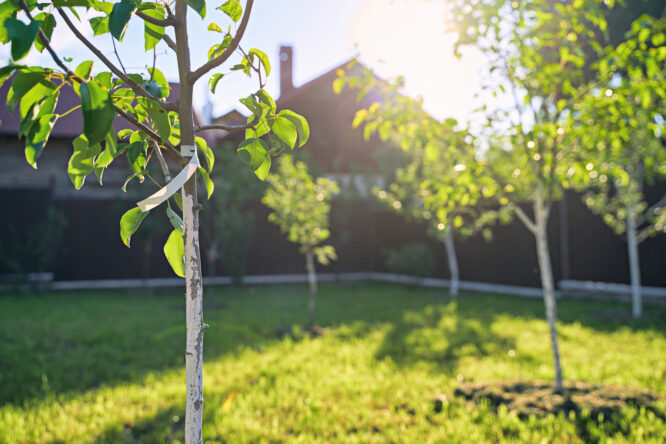
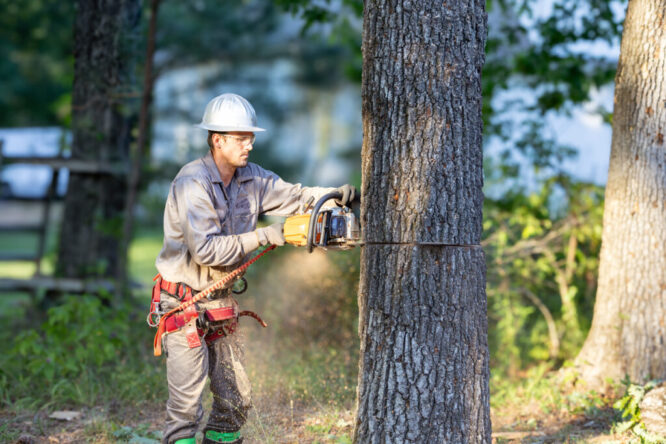
Tree roots are the main culprit in most residential subsidence cases. During long dry spells, tree roots spread further in search of moisture, and that moisture-seeking behaviour dries out the soil around your foundations. If an assessment suggests a nearby tree is causing the problem, it’s worth getting an expert opinion before you do anything drastic.
Cutting a tree down isn’t always the right answer. When a tree that’s been sucking moisture from the ground is suddenly removed, the soil can start absorbing water again and expand upwards, which creates a different kind of pressure on your foundations entirely. A specialist arboriculturalist can tell you which trees are actually posing a risk, which ones can be managed through pruning instead, and what the sensible approach looks like for your particular situation. The Arboricultural Association has a list of registered consultants with specific subsidence experience.
What happens when you can’t remove the tree?
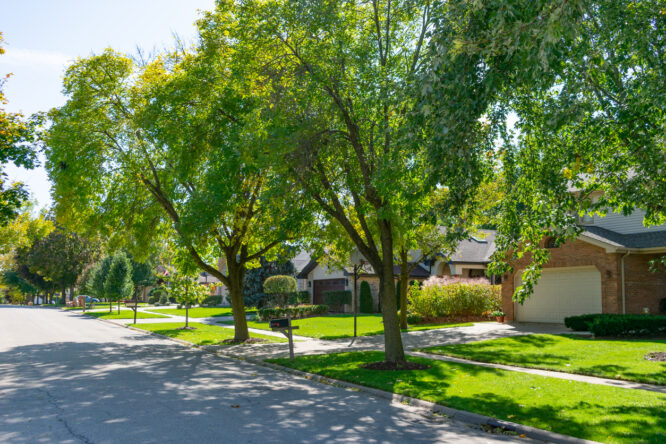
Some trees are protected by law and can’t be cut down, which leaves homeowners in a tricky position. In those cases, root barriers are worth looking into. These are installed in the ground between the tree and your house and work by redirecting roots away from the foundations while still allowing the tree to access water. They’re not cheap — prices start at around £5,000 — but where removal isn’t an option they can prevent things from getting worse.
Dealing with the tree, whether through removal or management, won’t instantly fix a crack that’s already there, but it does stop things from deteriorating further and reduces the chance of the same thing happening again next summer. Minor cracks sometimes close up a little over winter as the soil takes on more moisture, though this varies depending on how much movement has already happened.
Hot weather damages homes in other ways too.
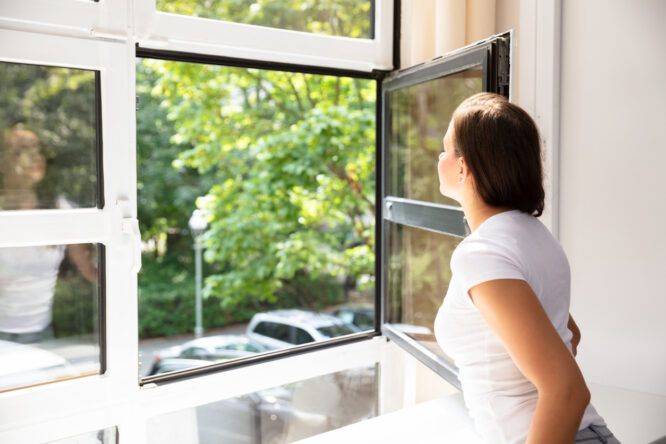
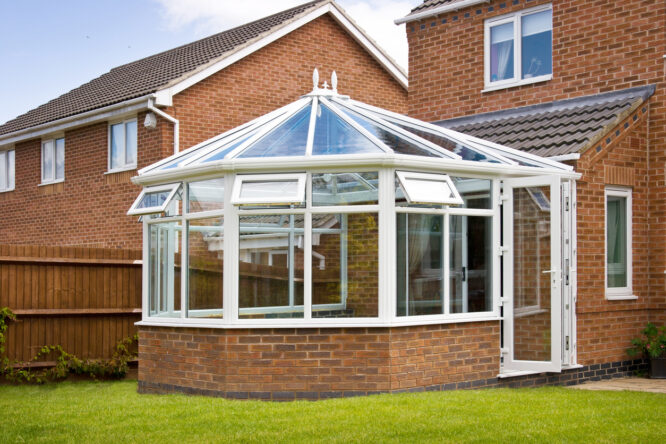
Subsidence gets most of the attention, but it isn’t the only problem heat causes. UPVC window frames and composite doors can warp in high temperatures, and if a door or window jams on a hot day the advice is simply to leave it until the evening when things cool down. Forcing it risks causing damage that wouldn’t have happened otherwise. Applying a UV-resistant coating to UPVC frames helps protect them from the gradual breakdown that sun exposure causes over time.
The sealant around windows and doors can also dry out and crack in a heatwave. If you notice this, replacing it with a flexible mastic sealant is better than a standard product because it handles building movement more comfortably. Cracks in driveways and brickwork are common in hot weather too—getting these repaired before the wetter months arrive prevents water getting in and making things worse. Keeping your loft well ventilated also helps, since heat builds up in roof spaces and can put real stress on the timber structure over time.
Check your insurance is actually up to date.

One figure that stands out from the broader conversation around subsidence is this: there are around 28 million residential addresses in the UK but only 17 million general insurance policies in place. That’s a large number of homes without cover, and subsidence is exactly the kind of slow-building problem that people don’t think about until it’s already happening to them.
Some insurers have also become more cautious about offering subsidence cover at all given the recent run of bad summers, so it’s worth checking your policy carefully rather than assuming you’re protected. If you’ve already had a professional risk assessment that shows your property is at lower risk than average, this can actually be presented to your insurer and may help both with getting cover and with keeping the premium down. Getting ahead of this while it’s still a precaution is considerably easier than trying to sort it out once something has already gone wrong.