Whether we like it or not, speed limits exist for a reason.
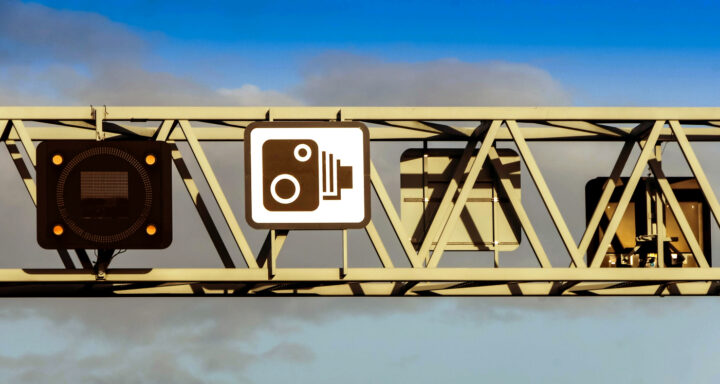
Speed cameras are one of those things drivers constantly complain about until somebody tears through a residential street at ridiculous speed and suddenly, everyone remembers why they exist in the first place. Across the UK, more roads are now monitored than ever before, and new figures suggest some towns and cities are far more heavily covered than many motorists probably realise.
The latest rankings looked at which parts of the country have the highest density of speed cameras, rather than simply counting the total number installed. That gives a much clearer picture of where drivers are most likely to encounter enforcement during everyday journeys.
Speeding offences are still climbing across England and Wales.
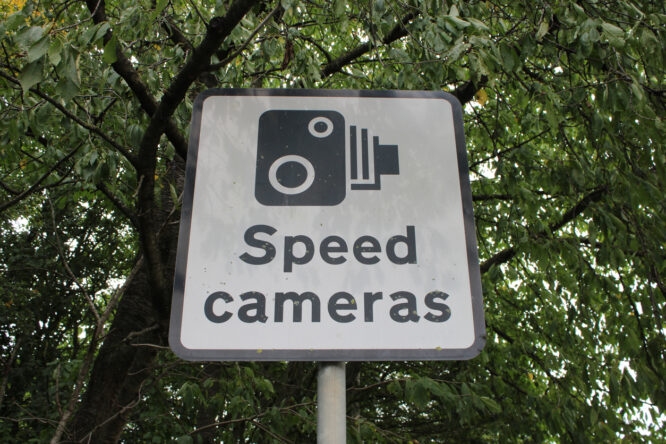
Recent Home Office figures showed motoring offences outside London hit a record 2.9 million in 2024, with speeding making up the overwhelming majority of cases. Reports suggest around 86% of recorded offences were linked to speeding alone, which helps explain why local authorities continue expanding camera networks despite years of complaints from motorists.
For councils, the argument is fairly simple. Areas with persistent speeding problems, accident risks, busy commuter traffic, or heavy pedestrian use are far more likely to receive additional enforcement.
Modern speed cameras are no longer focused mainly on motorways.
Years ago, many drivers mainly associated speed cameras with major A-roads or motorway routes. But enforcement has gradually spread deeper into towns, residential areas, school zones, and busy suburban routes. That change reflects how road safety priorities have changed.
Authorities now focus much more heavily on areas where speeding creates risks for pedestrians, cyclists, buses, crossings, and local traffic rather than purely long-distance drivers. In many urban areas, cameras have effectively become part of the normal street layout now.
The rankings become more interesting once density is factored in.

Large cities naturally tend to have more cameras overall because they cover bigger areas and carry more traffic. But density figures often tell a very different story. A smaller town with tightly packed enforcement can actually feel far more heavily monitored than a huge city where cameras are spread more widely. That’s partly why several smaller places unexpectedly appeared near the top of the rankings despite not having the largest total number of cameras overall.
Bradford ranked highest for speed camera density.
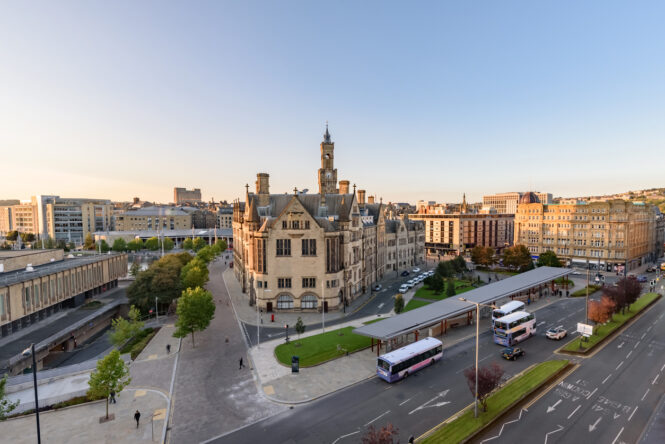
Bradford came out top overall, with roughly 2.18 speed cameras per square mile. That pushed it ahead of London, despite the capital’s enormous size and far larger road network. For local drivers, it means encountering enforcement cameras during normal journeys is statistically more likely than almost anywhere else in the UK. The figures suggest Bradford has become one of the country’s most intensively monitored driving areas.
London still placed extremely high overall.
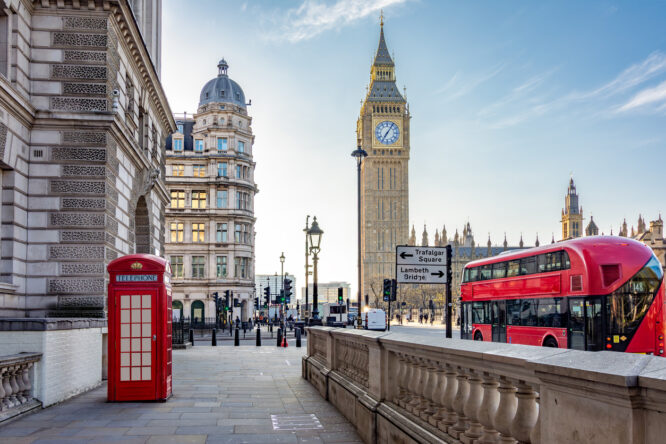
London ranked second with around 1.93 cameras per square mile, which probably won’t shock many drivers who regularly use the capital’s roads. Between congestion charging, bus lane enforcement, average-speed systems, ULEZ monitoring, and fixed speed cameras, many parts of London already feel heavily surveilled compared with most of the country.
Driving through central London now often involves navigating layers of different traffic rules and automated enforcement systems almost constantly.
Several smaller towns also appeared near the top.
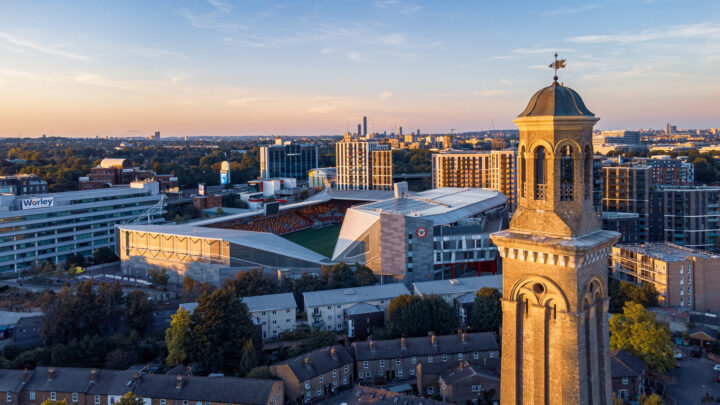
Hounslow, Tipton, and Dewsbury all ranked within the top five for speed camera density, showing how concentrated enforcement has become in certain smaller urban areas too. That often reflects traffic congestion, commuter routes, accident histories, or densely packed road layouts where speeding creates greater safety concerns.
Meanwhile, Coventry placed sixth overall, with around 243 cameras giving the city a density of roughly 1.57 cameras per square mile.
Average-speed systems are changing driver behaviour too.
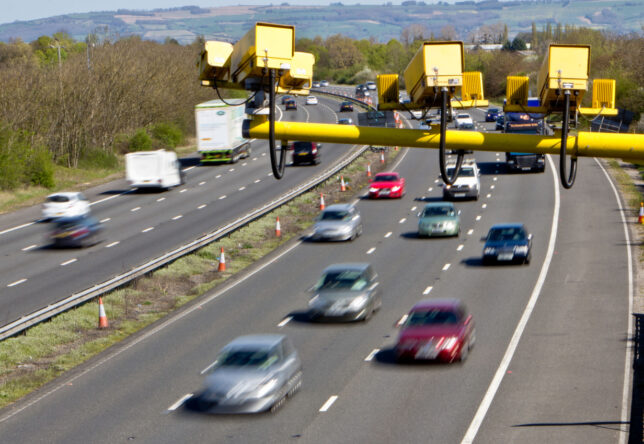
Traditional fixed cameras used to encourage a certain style of driving where motorists slowed briefly before speeding up again immediately afterwards. Average-speed systems have gradually changed that because they calculate speed across longer sections of road rather than one single point. That means drivers now have to maintain lower speeds consistently, instead of simply braking when they spot a yellow camera ahead.
The debate around speed cameras is probably never going away.
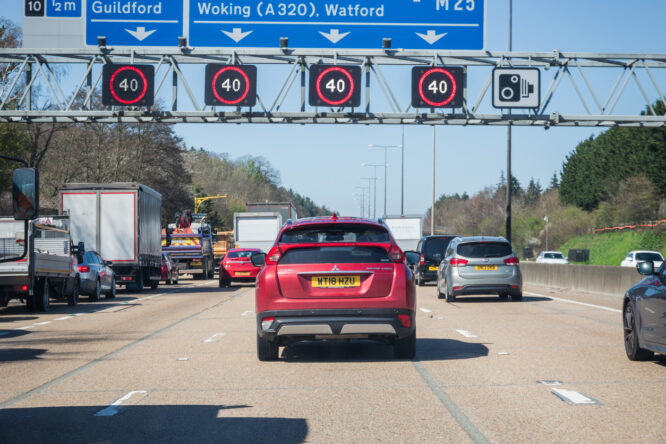
Supporters argue they reduce collisions, discourage dangerous driving, and make roads safer in high-risk areas. Critics still insist some cameras feel more focused on revenue generation or catching marginal offences than genuinely reckless behaviour. However, regardless of where drivers stand on the argument, enforcement technology is becoming more widespread, more automated, and far harder to avoid than it used to be.