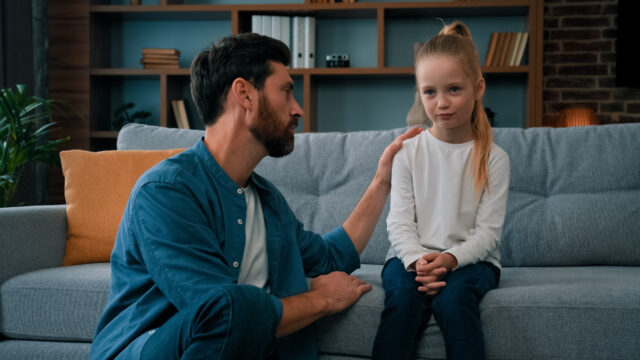
There’s a fine line between raising a child to be respectful and raising them to be afraid. For a lot of people, the messages they got growing up weren’t about mutual understanding or healthy boundaries—they were about power, control, and keeping quiet. What gets called “respect” in some households is often just unspoken fear with a polite mask on. If any of these lines sound familiar, it’s worth looking at what they really taught you, and how they might still echo in your adult life.
“Because I said so!”
This classic phrase gets thrown around when adults don’t want to explain themselves, and it shuts down any room for conversation or understanding. While it might seem like a way to assert authority, it actually teaches kids that questioning things is dangerous or disrespectful. Instead of building trust, it creates fear of doing or saying the wrong thing. Over time, it teaches people to suppress curiosity and settle into silence—not out of respect, but out of anxiety about challenging power.
“Children should be seen and not heard.”
This one doesn’t just silence a child—it strips them of value in the room. It’s a phrase rooted in control, not in mutual respect. It tells kids that their voice, their presence, and their perspective are unwelcome. It doesn’t teach listening or patience. It teaches invisibility. Kids raised with this idea often grow into adults who hesitate to speak up, even when they should, because they’re still carrying that internalised sense of being “too much.”
“Don’t talk back.”
When a child asks questions or tries to express disagreement, it’s not necessarily defiance—it’s conversation. But “don’t talk back” sends the message that challenging a parent is the same as disrespecting them. This approach can create fear around speaking up, especially when something feels wrong or unfair. Instead of learning how to express themselves safely, kids just learn to hide what they really think.
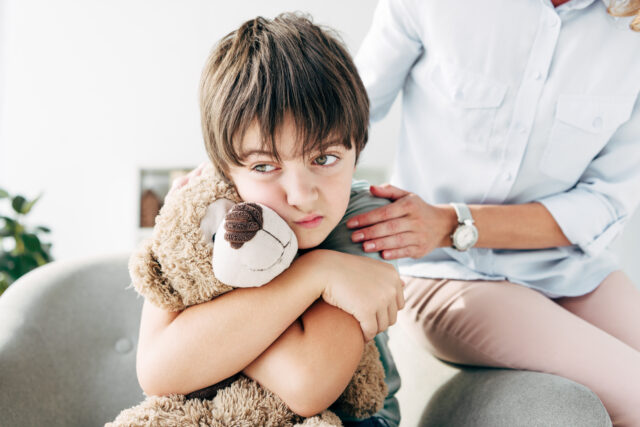
“Stop crying before I give you something to cry about!”
This phrase is as cruel as it is common. It doesn’t teach emotional regulation—it threatens more pain for showing feelings. The result? A deep-rooted fear that expressing sadness or vulnerability will lead to punishment. For many, this sets the stage for emotional shutdown well into adulthood. Tears become something to be ashamed of, rather than a natural human response to stress or pain.
“You’re being dramatic.”
This one is often used to downplay a child’s emotions and make them question their own reactions. It creates an environment where feelings are invalidated, and where expressing distress is treated like a personal failing. Eventually, that can teach someone not to trust their instincts or their emotional experience. It’s not about guiding a child through intense feelings. It’s about controlling how comfortable the adult feels around them.
“My house, my rules.”
Yes, structure matters. But this phrase tends to come out not during genuine boundary-setting, but when a child dares to question something. It’s a way of reminding them they have no power, no matter how thoughtful or mature their point is. It doesn’t encourage understanding or cooperation, it enforces obedience. Kids raised on this tend to internalise the idea that their needs only matter when they’re in control of their own environment.
“I brought you into this world, I can take you out.”
This joke-that’s-not-really-a-joke is deeply unsettling when you hear it as a child. It’s meant to be funny, but there’s always a streak of menace behind it—a reminder of the parent’s ultimate control. Even if it’s said in passing, it can plant seeds of insecurity and fear. Children shouldn’t feel like their safety is conditional on staying agreeable or easy to manage.

“Stop being so sensitive.”
This one’s subtle, but it cuts deep. It teaches kids to disconnect from their emotions and to see their feelings as flaws rather than signals. It often comes up when a child reacts to something unfair or hurtful. Instead of learning how to handle big emotions in healthy ways, they learn to dismiss them altogether. And in adult life, that shows up as emotional suppression, people-pleasing, or numbing out entirely.
“You don’t pay the bills here.”
This is another one that reduces a child’s voice to nothing more than economic leverage. It suggests that the right to be heard or respected only comes with financial contribution, not with basic human dignity. It frames respect as something to be earned through usefulness, rather than something all people deserve. Kids raised on this message often feel like they need to perform or over-give just to be tolerated.
“You’re lucky you have a roof over your head,”
This phrase is often used when a child expresses dissatisfaction or hurt. Rather than acknowledging the emotion, it flips the focus to guilt, and suggests they should be grateful even when their emotional needs aren’t being met. It teaches kids that comfort and safety are things they can lose for speaking out. Gratitude becomes a silencing tool instead of something genuine, and that can be hard to untangle later in life.
“You think you’ve got it hard?”
This type of comparison shuts down emotional connection fast. It suggests that unless your pain reaches a certain threshold, it doesn’t count. That’s a harmful message for a developing mind to absorb. It doesn’t create resilience, it creates shame. Kids who internalise this might grow into adults who constantly minimise their struggles and feel like they’re never allowed to ask for help.
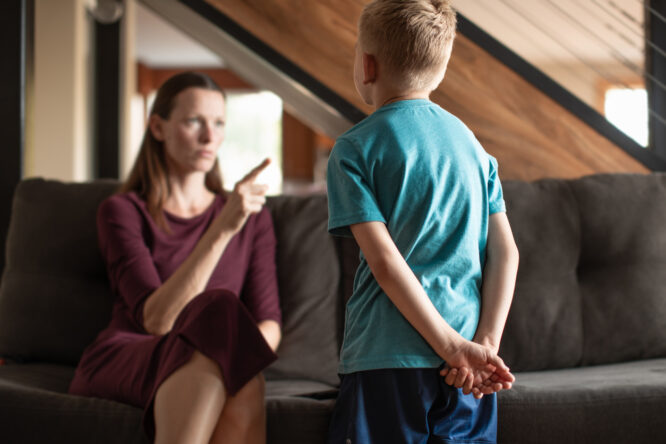
“I don’t care who started it.”
This might seem like a fair way to keep the peace, but it usually comes at the cost of justice. It sends the message that fairness doesn’t matter and that whoever is in charge gets to decide the outcome without context. For children, it teaches them not to speak up when they’re wronged because the adult has already decided that details don’t matter. That kind of learned helplessness can stick around for years.
“Fix your face before I fix it for you.”
This one is often said in public or after a child reacts emotionally to something, and it’s more about embarrassment than concern. It doesn’t address what the child is feeling. Instead, it threatens them for looking upset. It’s not just controlling, it’s humiliating. Kids taught to mask their faces learn to mask their feelings, too. That habit of hiding what’s really going on inside often follows them into adulthood.
“You’re going to make me angry.”
This puts responsibility for an adult’s emotions onto the child, which is incredibly confusing and unfair. It teaches kids that they’re in charge of other people’s moods, and that bad things happen if they don’t behave perfectly. Eventually, that can turn into people-pleasing, hypervigilance, and anxiety around conflict. It’s not respect they’re learning, it’s emotional walking on eggshells.