There’s something hilarious about watching a normally dignified cat completely lose the plot over a bit of dried herb.
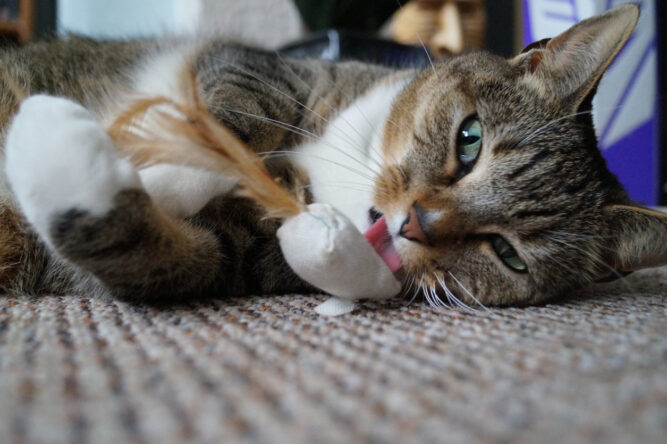
One sniff and some cats are rolling around, rubbing their face against the floor, or tearing round the room like they’ve had ten espressos. Others just sniff it, blink, and wander off completely unbothered. So what’s actually going on, do you need to be a bit concerned about just how much enjoyment they seem to get out of it?
It all comes down to one compound in the plant.

Catnip itself is just a herb from the mint family, nothing exotic. What makes it interesting to cats is a natural oil in its leaves and stems called nepetalactone. Once a cat picks up the scent, that compound binds to receptors inside their nose, which sets off a chain reaction in the brain that produces the classic catnip response.
That response usually shows up as some combination of rolling around, rubbing against the catnip, sudden bursts of playful energy, and a fair bit of purring or meowing, sometimes even growling, along the way. It’s a proper, if temporary, high.
The effect fades fast, and then your cat needs a break.

The good news, or possibly bad news if your cat’s having a brilliant time, is that the effect doesn’t last long. Most cats will be back to normal within five to fifteen minutes. After that, they’ll go through a kind of cooldown period where catnip simply won’t do anything to them for a couple of hours, no matter how much you offer.
Not every cat gets the memo, and that’s completely normal.

If your cat has always been completely unmoved by catnip, there’s a simple explanation. Only around 60 percent of cats actually carry the gene that makes them respond to it at all. If your cat’s one of the unlucky remaining 40 percent, no amount of premium catnip is going to change that. It’s simply not in their genetic makeup, not a sign that anything’s wrong with them.
Most vets are perfectly happy with cats having catnip.
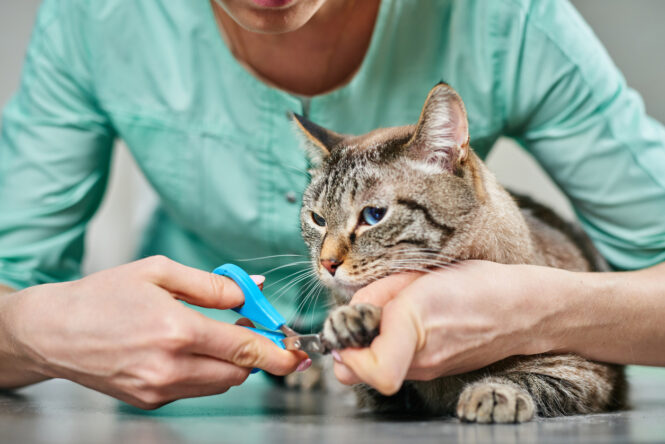
Generally speaking, vets consider catnip safe for healthy cats, and plenty actively recommend it. It’s particularly handy for indoor cats who don’t get much natural exercise, since a sprinkle on a toy can turn a dull afternoon into a proper play session.
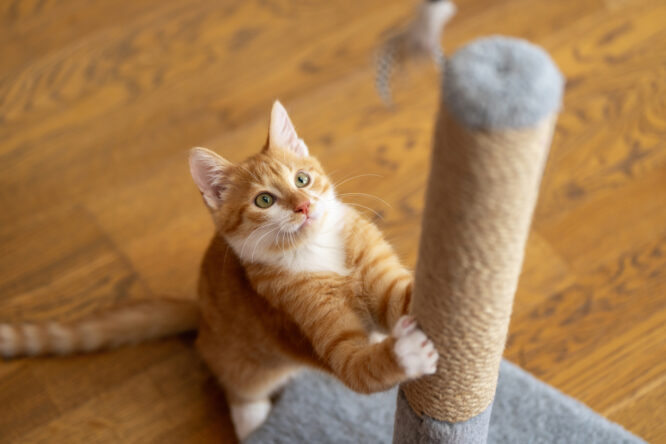
It’s also a great trick for reviving toys your cat’s gone off. A quick dusting of catnip can make an old, ignored toy suddenly fascinating again. Beyond play, it can help nervous cats settle into unfamiliar surroundings, and plenty of owners use it on scratching posts to nudge their cat away from scratching the sofa instead.
A little goes a long way, so don’t overdo it.
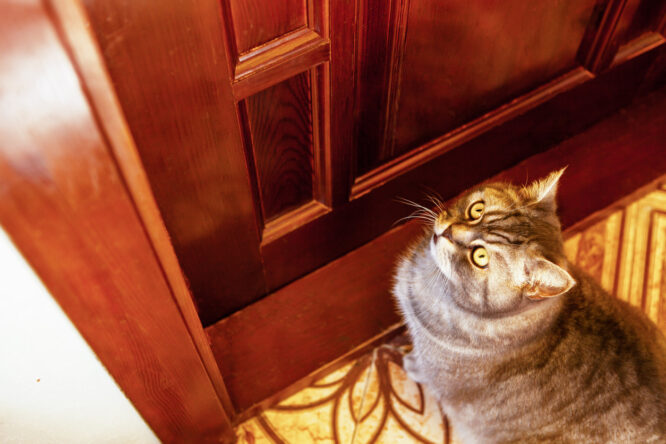
As tempting as it is to give your cat catnip constantly given how much fun it seems to be having, moderation matters here. Using it too often can actually dull a cat’s response over time, so make sure you space out sessions rather than leaving catnip toys out permanently. A bit of a gap between uses keeps the whole experience exciting rather than routine.
Sniffing it and eating it are two very different experiences.
Both are considered safe, but they don’t produce the same effect. Sniffing catnip tends to bring on the classic rolling, zooming, playful behaviour most people associate with it. Eating it usually has the opposite effect, tending to make cats calmer and sleepier rather than more energetic.
A small nibble here and there isn’t anything to worry about, but eating a large amount can upset a cat’s stomach, leading to vomiting or diarrhoea, so keep an eye on how much your cat’s actually getting through.
Why bother giving your cat catnip at all
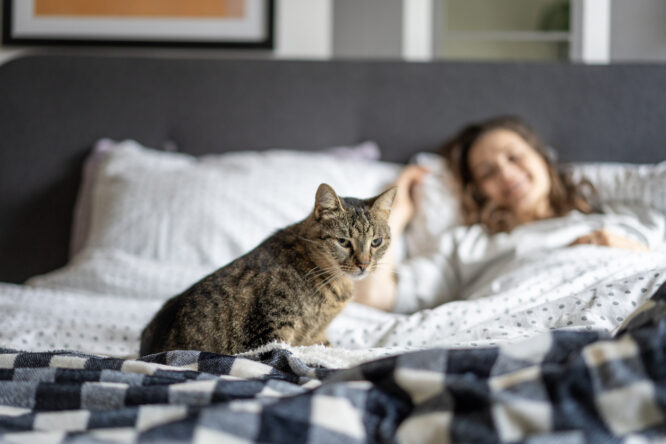
Beyond just being entertaining to watch, catnip earns its place in a cat’s routine. It’s a handy way to encourage exercise in cats who’d otherwise spend most of the day asleep, and it can take the edge off stress during things like vet visits or travel, when cats tend to feel most on edge. It also works well as a training aid, nudging cats toward scratching posts or beds you actually want them using, and it provides a bit of mental stimulation that helps stop boredom setting in, particularly for cats who spend a lot of time indoors alone.
What about kittens?

There’s no harm in offering catnip to a kitten, but don’t expect much of a reaction early on. Kittens’ nervous systems simply aren’t developed enough to produce the typical catnip response until they’re somewhere between three and six months old, so a completely unbothered kitten reaction is nothing to worry about. They’ll likely get there eventually.
Whether your cat turns into a rolling, zooming mess or just gives it an unimpressed sniff and walks away, catnip remains one of the simplest, safest ways to add a bit of enrichment to a cat’s day. It’s cheap, it’s easy to find in most pet shops, and for the cats who do respond to it, it’s clearly a source of proper joy.