Living alone changes you in ways that nothing else quite can.

At first, it’s the quiet that stands out. There’s the sudden lack of background noise, and the freedom to leave dishes in the sink or rearrange your space however you like. However, after a while, it becomes something deeper. You start noticing what truly makes you comfortable, how you cope with your own company, and where your limits really are. It’s both liberating and confronting, a crash course in self-reliance that no one fully prepares you for.
After a while, the experience shapes your perspective on just about everything. You learn which relationships actually add value to your life, how to be your own source of comfort, and why solitude doesn’t have to mean loneliness. Living alone strips away the distractions that keep most people running on autopilot. What’s left is a clearer sense of who you are, and what really matters when the world goes quiet.
1. Silence can be comforting, not lonely.

When you first move in by yourself, the quiet can feel heavy. Every creak or clock tick reminds you that you’re alone. But slowly, that silence starts to feel peaceful rather than empty. You start to enjoy hearing your own thoughts and choosing when sound fills the room. It becomes less about missing other people and more about finding calm in your own company.
2. You don’t need constant plans to feel content.

There’s no pressure to fill every evening. You learn that not doing much can still count as a good day. Watching a show, cooking something simple, or reading a book feels enough. When the need to impress or perform disappears, your definition of a good time changes. It’s no longer about activity, it’s about ease.
3. You start noticing what drains your energy.

Living alone helps you see which people or habits leave you feeling exhausted. Without distractions, it’s clear what uplifts you and what pulls you down. Having that awareness makes you pick your company more carefully. You stop saying yes to everything and start saving energy for the things and people that truly matter.
4. You get better at solving your own problems.

When something breaks or goes wrong, there’s no one else to fix it. You figure things out as you go. Each small win builds confidence until self-reliance starts to feel natural. Independence like that becomes addictive. You realise you’re more capable than you thought, and that you don’t always need someone else to make life work.
5. Cooking for one becomes an act of care.
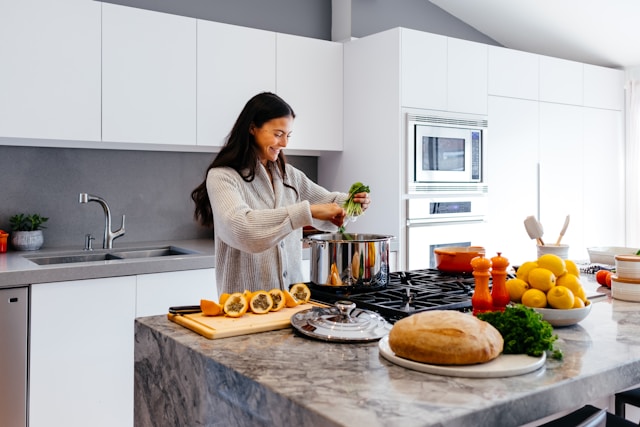
At first, it feels pointless to cook properly just for yourself. Then it becomes part of your rhythm. You stop seeing it as effort and start seeing it as kindness towards yourself. Making something you like, even on an ordinary night, becomes a small reminder that you’re worth looking after, whether anyone else is around or not.
6. You understand what real rest feels like.

When no one interrupts you, rest stops being something you squeeze in. You sleep better, move slower, and let your body set the pace. It’s the kind of rest that actually refuels you. It teaches you that quiet time isn’t laziness, it’s balance. You start planning around peace rather than pushing yourself to exhaustion every week.
7. Your home starts to reflect who you are.

Without anyone else’s taste to consider, your home slowly becomes an extension of your personality. You hang what you like, arrange things how you want, and create a space that feels like you. It’s freeing to realise you can make small choices just because they make you happy. It turns your home into something warm and personal rather than just practical.
8. You see how much time you used to waste.
With no one else setting the pace, it’s easier to spot your own habits. You notice how much time goes into things that don’t actually matter, such as checking your phone, worrying, rushing for no reason. Living alone helps you slow down and use your time in ways that feel meaningful. You stop chasing constant motion and start choosing calm instead.
9. You realise being alone doesn’t mean being isolated.

People often think living alone means cutting yourself off, but it can make connection stronger. When you choose to see people, it’s because you genuinely want to, not because you need distraction. That makes your relationships more deliberate. You start valuing quality time over background noise, and you stop feeling guilty for enjoying solitude.
10. You get comfortable with your emotions.

When there’s no one else around, your feelings have space to surface. You cry, laugh, or vent without worrying what anyone will think. It’s confronting at first but becomes surprisingly healing. Eventually, you stop pushing emotions away. You realise that being human isn’t about always being fine; it’s about learning to sit with whatever comes up.
11. You start enjoying your own company.

As time goes on, you stop needing constant background noise or people around to feel okay. You find comfort in your own rhythm and start looking forward to time alone. It’s not that you stop liking company, you just stop fearing the quiet. Being alone becomes something that fills you instead of something that empties you.
12. You stop worrying about appearances.

When no one’s watching, you stop performing. You eat when you’re hungry, wear what feels good, and relax without worrying how you look. The pressure to seem “put together” fades fast. It’s one of the most freeing parts of living alone. You remember what it feels like to exist without judgement, and that sense of ease follows you even outside your home.
13. You find comfort in small routines.
Simple rituals become anchors: morning coffee, evening walks, tidying before bed. They give structure to your days and make ordinary life feel steady. Those small habits become quiet acts of care. They remind you that stability doesn’t have to come from other people; it can come from the rhythm you build yourself.
14. You see what actually makes you happy.

Without constant input from other people, your preferences stand out clearly. You notice which hobbies, meals, and activities genuinely lift your mood instead of just filling time. Having that awareness shapes everything from how you spend weekends to how you treat yourself. You stop copying what makes other people happy and start following what works for you.
15. You handle loneliness instead of running from it.
There will be quiet nights that feel too quiet. But instead of distracting yourself, you learn to sit with it until the feeling passes. It becomes less scary every time you face it, especially since acceptance builds emotional strength. You realise loneliness isn’t something to fear, it’s something to understand. Once you stop running from it, it loses its hold.
16. You value people who make you feel calm.

Once you get used to peaceful surroundings, chaotic relationships feel louder than ever. You start gravitating towards people who bring steadiness instead of drama. It’s not about avoiding emotion, it’s about choosing ease. You begin to notice who matches your peace rather than constantly interrupting it.
17. You learn to enjoy doing nothing.

When you live alone, you stop needing constant stimulation. Doing nothing starts to feel natural, even refreshing. You find pleasure in slow moments that used to bore you. This helps you recharge properly. It teaches you that life doesn’t have to be packed full to be full. Stillness has its own kind of satisfaction.
18. You stop expecting other people to complete you.
Once you’ve built a life that feels full on your own, love and friendship become additions, not lifelines. You still want connection, but you don’t depend on it to feel whole. Achieving that independence changes the kind of relationships you choose. You start wanting people who add peace, not people who fill a gap.
19. You notice how much you’ve grown.

Living alone shows you your own progress in quiet ways. You handle problems better, care for yourself more naturally, and find comfort in small victories other people don’t usually pay attention to. Growth becomes something you feel rather than announce. You look around one day and realise you’ve built a steady, peaceful life from scratch.
20. You stop fearing your own thoughts.

At first, the quiet can make your mind feel too loud. But over time, being alone helps you understand your own thinking. You stop judging your thoughts and start listening to them. That awareness builds trust in yourself. The more time you spend alone, the less you need reassurance from outside voices because you finally hear your own clearly.