Car insurance has quietly become one of the most expensive parts of running a car, with the average UK driver now shelling out hundreds of pounds a year just to stay on the road.
Some cars, though, are incredibly cheap to insure, with annual premiums starting from under £270. So which models top the list, and is a low premium really enough reason to pick a car? If you want to keep your costs as low as possible, these are some of the cheapest cars to insure in 2026, and what to actually think about before you buy one.
How much UK drivers are paying right now

The cost of insuring a car has climbed steadily over the past few years, with the average driver now paying around £560 a year. That’s an annoyingly large chunk of money for most households, especially on top of fuel, road tax, MOTs and the cost of the car itself. With premiums still rising, more drivers are paying attention to which cars cost the least to insure before they buy.
New data from a major comparison site has revealed the ten cheapest cars to insure in 2026, looking at models manufactured from 2016 onwards. The cheapest of the lot comes in at just £263 a year, which is less than half the national average. That kind of saving genuinely adds up over the lifetime of a car, so it’s well worth knowing what’s on the list.
The cheapest cars to insure in 2026
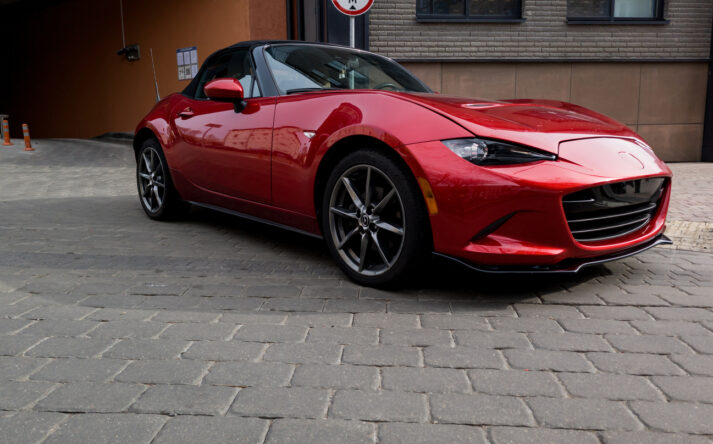
Topping the list is the Mazda MX-5 with a median premium of just £263 a year. Second place goes to the Fiat Panda at £268, followed by the Fiat 500C at £273. The Smart Fortwo comes in at £282, with the Skoda Citigo at £288. Both the Suzuki Celerio and Suzuki Jimny share seventh place at £298 each.
The pattern is fairly clear once you look at the list. Small, low-powered city cars dominate the rankings, since they tend to be driven by careful, lower-mileage drivers. The Mazda MX-5 and similar sports cars are exceptions, but they often appear because they’re owned as second cars by enthusiasts who drive them sparingly and look after them properly. Insurers price premiums based on the risk of an expensive claim, and these particular cars tend to be lower risk than their owners might expect.
The cheapest cars to insure for young drivers
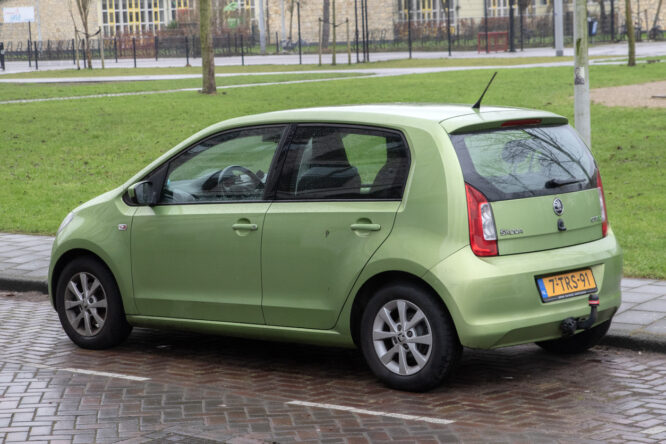
For drivers under 25, the picture looks different. Young driver premiums are notoriously brutal, often running into four figures, so finding cheap cover matters even more. The cheapest car for young drivers in 2026 is the Skoda Citigo, with a median annual premium of £544. The Peugeot 108 follows at £561, with the Fiat 500 just behind at £567.
The Citroen C1 comes in at £571, the Volkswagen Up at £574, the Kia Picanto at £579, and the Vauxhall Adam at £587. All of these are small, sensible city cars with modest engines and a reputation for low repair costs. Insurers see them as low-risk choices for younger drivers, which keeps premiums down. For anyone newly qualified or under 25 looking to keep insurance manageable, any of these models are worth a serious look.
Why these particular cars are cheap to insure

There are a few reasons certain cars consistently cost less to insure than others. Smaller engines, lower top speeds and lower repair costs all push premiums down. So does the type of person who tends to drive them. Small city cars are often bought by careful drivers, students, retired people and those who do low mileage, which means fewer claims on average.
Insurers also pay close attention to how often a particular model gets stolen, vandalised or written off. Cars with strong safety ratings and good crash-test scores generally cost less to insure, since claims tend to be smaller. Practical, no-frills models with affordable spare parts and a wide network of approved mechanics also keep insurance costs lower.
What the cheapest car list doesn’t tell you

A low insurance premium is a brilliant start, but it shouldn’t be the only thing you base your decision on. The price of insuring a particular model is shaped by the kind of people who tend to drive it, the average age of those owners, the typical mileage and the area they tend to live in. So just because the Mazda MX-5 has the lowest average premium overall doesn’t mean a 22-year-old in central London will get the same quote.
Your own price will depend on your age, postcode, driving history, annual mileage and how you use the car. Two people buying the same model on the same day can end up paying wildly different amounts. The figures in any “cheapest cars” list are an indicator of which models tend to attract lower quotes, not a guarantee of what you’ll pay personally.
The other costs to weigh up

A cheap premium can quietly hide all sorts of other costs. Some of the older models on the list first went on sale more than a decade ago, so older versions may have worse fuel economy, fewer modern safety features and less up-to-date infotainment than newer alternatives. Some are also rated poorly by car reviewers for reliability or comfort, which can mean more time and money spent at the garage.
Repair costs vary enormously between models too. Even a small fender bender on an unusual or imported car can run into hundreds of pounds because parts are tricky to source. A model with cheap, widely available parts will save you serious money over the years compared to one where every minor repair becomes a small saga. Always factor these into the picture rather than just looking at the insurance number.
How to keep your insurance costs down whatever you drive

Whichever car you go for, there are plenty of things you can do to bring your premium down. Choosing a higher voluntary excess can lower the cost noticeably, though you’ll need to pay more in the event of a claim. Adding a second named driver with a clean record, especially an older, more experienced one, often shrinks premiums significantly. Storing the car off-street overnight, fitting an approved alarm, and limiting your annual mileage all help too.
Don’t auto-renew without checking other quotes. Insurers reserve their best rates for new customers, so shopping around every year using comparison sites typically saves a couple of hundred pounds. A short call to your existing insurer asking them to match a cheaper quote also works far more often than people expect. The hassle of switching is genuinely small once a year, but the savings add up to a serious amount over the life of a car.
What this really tells you about choosing your next car

The honest takeaway from all of this is that insurance is just one piece of the puzzle when you’re thinking about which car to buy. Yes, a £263 premium on a Mazda MX-5 looks brilliant on paper, but if the car is being bought as your only family vehicle, with three school runs a day and a 200-mile commute, you might find the insurance quote is nothing like the headline figure.
The smart approach is to make a shortlist of cars that suit how you actually live, then check the insurance costs for those. Compare premiums for your personal circumstances rather than relying on national averages. Factor in fuel economy, reliability, depreciation, repair costs and safety alongside the insurance figure. The cheapest car to insure is rarely the cheapest car to own, but with a bit of homework, you can find one that ticks plenty of boxes at once.