A strong core is about far more than getting visible abs.
Your core helps with balance, posture, lifting, walking, running, and protecting your back during everyday movement. Fitness experts now tend to focus less on endless sit-ups and more on exercises that build stability, control, and real-life strength. The good news is that some of the most effective core exercises don’t need equipment, expensive gym memberships, or advanced fitness levels to get started.
Dead bugs are one of the safest places to begin.
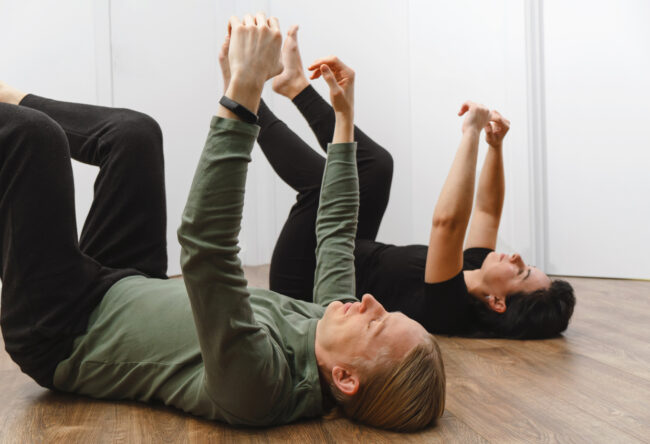
Dead bugs look deceptively simple, but trainers and physiotherapists regularly recommend them because they strengthen deep core muscles without putting much strain on the spine. The exercise involves lying on your back while slowly lowering opposite arms and legs in a controlled movement while keeping your lower back pressed into the floor.
They’re especially good for beginners because they teach the body how to stabilise properly before moving into harder exercises. Research and trainers alike often highlight dead bugs as one of the best ways to improve core control while protecting the lower back.
Planks are consistently popular for a reason.
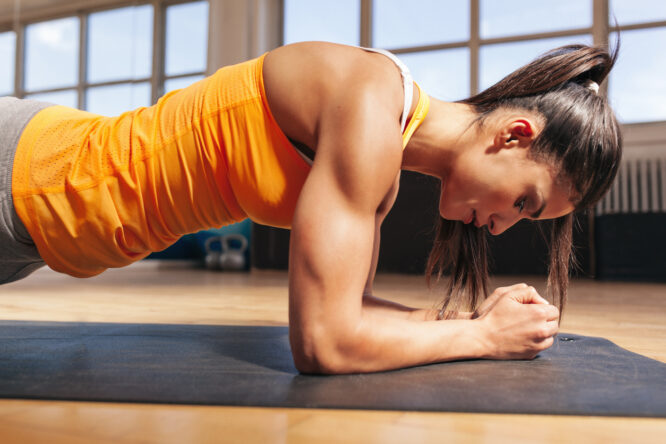
The standard plank has stuck around for years because it works multiple muscle groups at once, including the abdominals, lower back, shoulders, and glutes. Unlike crunches, planks train the body to resist movement and maintain stability, which is closer to how the core works in real life.
Beginners can start with short holds from the knees before building towards longer full planks. More advanced exercisers often add shoulder taps, weighted planks, or instability variations once basic form becomes easy.
Bird dogs help improve balance and posture.
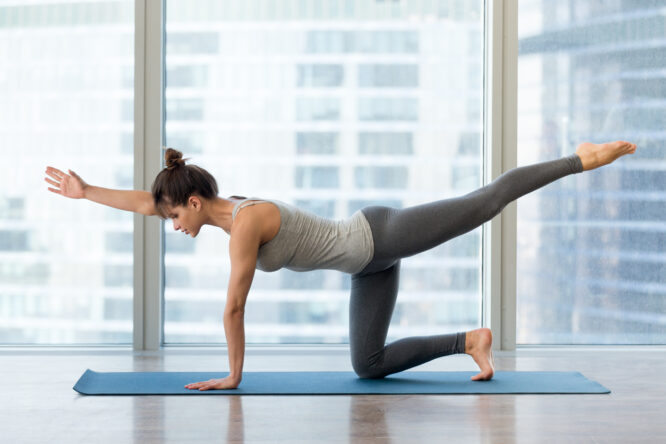
The bird dog exercise is another favourite among trainers because it strengthens the core while also challenging balance and coordination. From an all-fours position, you slowly extend the opposite arm and leg while keeping the torso stable and level.
Research comparing core exercises has repeatedly shown bird dogs activate important deep spinal muscles particularly well. They’re also commonly used in rehab settings because they encourage better posture, spinal control, and lower-back stability without excessive strain.
Side planks target muscles many people ignore.
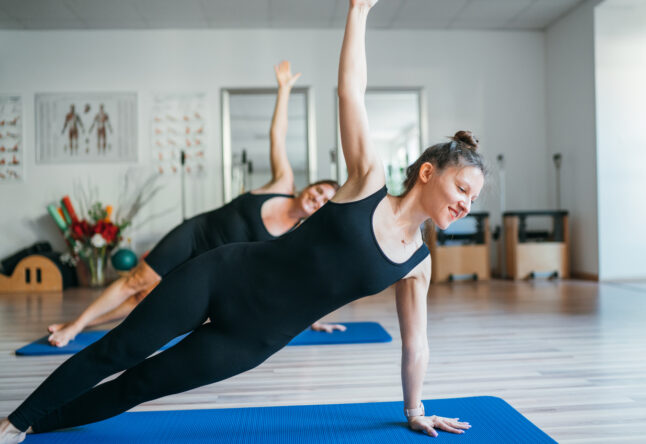
Traditional ab workouts often focus too heavily on the front of the stomach while neglecting the obliques and side stabilisers. Side planks help strengthen these muscles while also improving balance and overall trunk stability.
They can be adjusted for almost every fitness level, too. Beginners can bend their knees for support, while advanced exercisers might add hip dips, leg raises, or weighted holds to make them harder. Even short holds can feel surprisingly challenging when done properly.
Glute bridges help support the lower back.
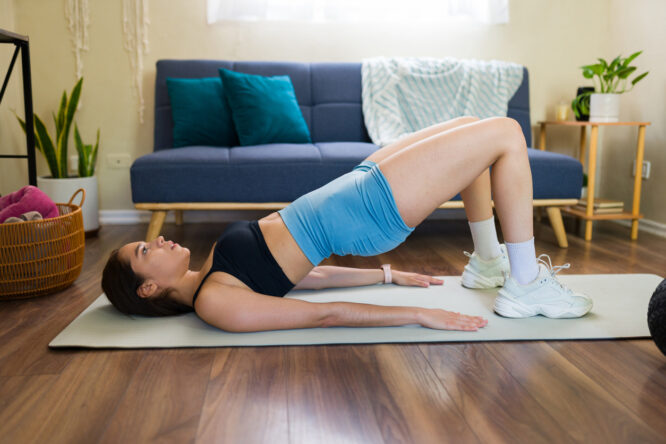
Although many people think of glute bridges mainly as a leg or glute exercise, they also play an important role in core stability. Weak glutes and poor hip control often contribute to lower back discomfort, especially for people who sit for long periods during the day.
Bridges strengthen the hips, lower back, and core together while teaching the body better alignment. Single-leg bridge variations become much tougher and add extra balance and stabilisation demands as strength improves.
Bear planks are becoming increasingly popular.
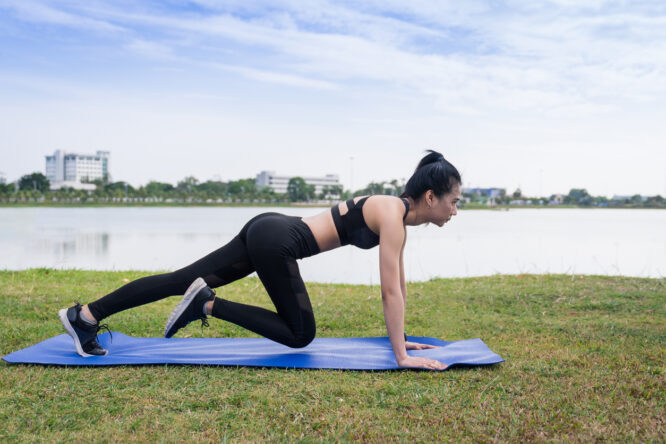
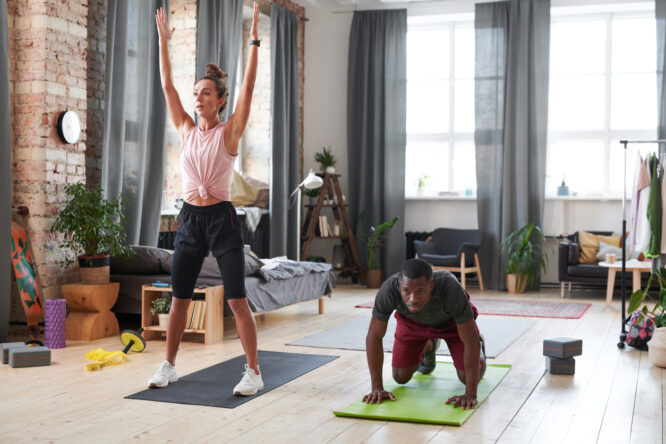
Bear planks, sometimes called bear holds or bear taps, have gained attention recently because they challenge the deep core muscles while also engaging the shoulders, hips, and quads. The position involves hovering the knees slightly off the floor while maintaining a stable spine.
Even though the movement looks fairly basic, most people realise very quickly how demanding it is once they try holding the position properly. Trainers often describe it as a progression from standard planks because it requires greater stability and control throughout the body.
Pallof presses train the body to resist twisting.
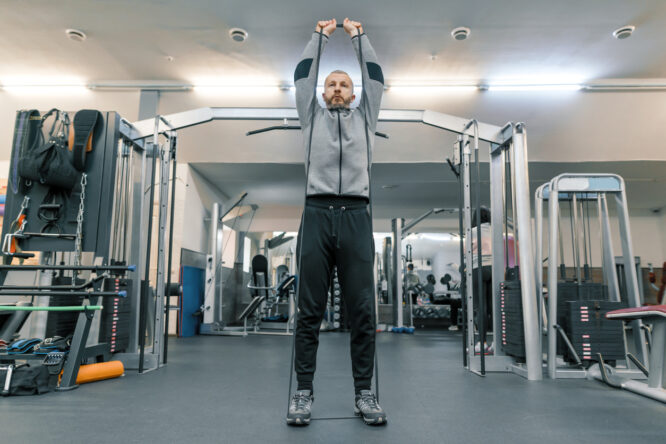
One thing many people miss in core training is anti-rotation work. In everyday life, the core constantly works to stop the body collapsing or twisting awkwardly while carrying bags, lifting objects, or changing direction quickly.
The Pallof press has become a favourite for this exact reason. Using a resistance band or cable machine, you press weight away from your chest while resisting the urge to rotate. Experts say this type of training can improve stability and help protect the spine during movement.
Crunches and sit-ups are no longer the centre of core training.
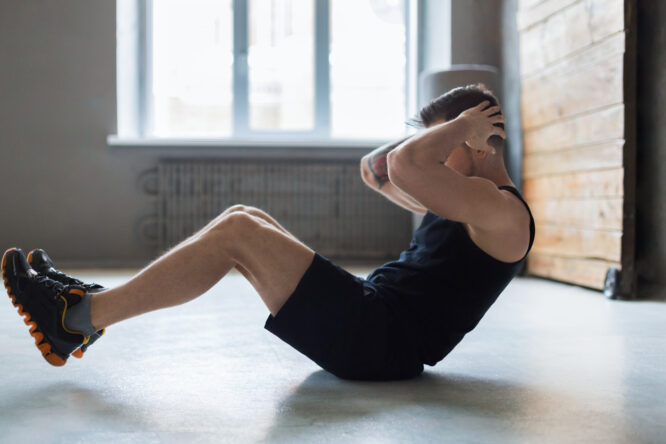
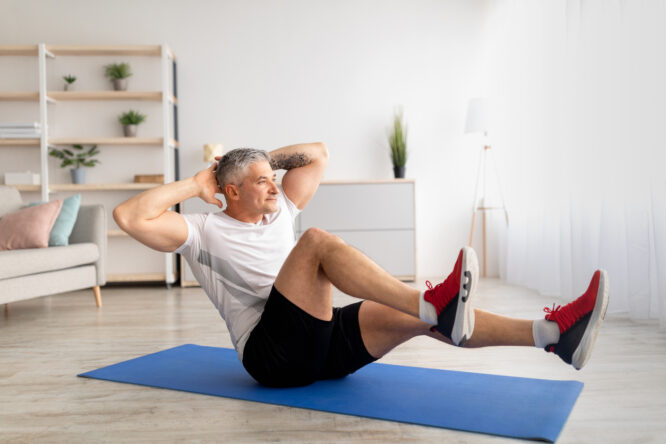
For years, many people assumed endless sit-ups were the best route to stronger abs. Modern fitness experts have moved away from that idea quite a bit. Sit-ups mainly work the hip flexors and can place stress on the lower back when performed repeatedly with poor form.
That doesn’t mean crunches are completely useless, but most trainers now prefer exercises that train the core to stabilise and support movement rather than simply bending the spine over and over again. That’s why exercises like planks, dead bugs, and bird dogs now appear in far more programmes.
Consistency matters more than doing extreme workouts.
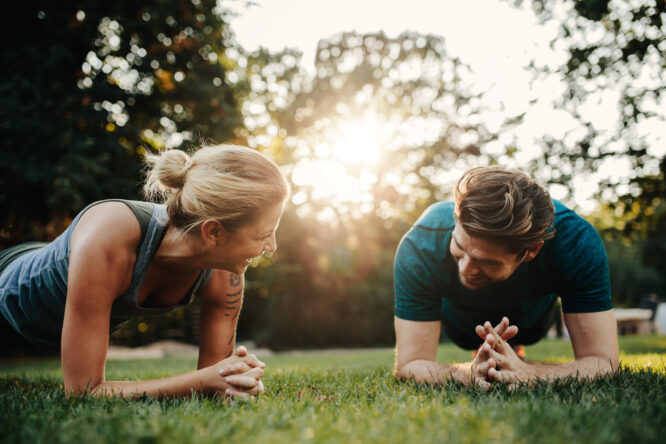
One thing experts repeatedly emphasise is that short, consistent sessions usually work better than occasional brutal ab workouts. Even five or ten minutes of focused core training several times a week can improve posture, stability, and overall strength over time.
The best core routine is usually the one somebody can stick with consistently rather than the hardest one possible. Starting with simple movements and building gradually tends to produce better long-term results than jumping straight into advanced exercises that strain the neck, hips, or lower back.
A strong core supports almost every type of movement.

One reason core training matters so much is because these muscles are involved in almost everything the body does. Walking upstairs, lifting shopping bags, getting out of bed, running, cycling, carrying children, and even sitting with decent posture all rely on core stability to some degree.
That’s why modern core training has moveed away from chasing six-packs and more towards building strength people actually use in real life. Exercises like planks, bird dogs, dead bugs, and bridges may not look flashy on social media, but research and trainers consistently keep coming back to them because they genuinely work.