For years, plenty of people have assumed that heart attacks and strokes can come completely out of the blue.

However, new research has just put that idea to bed in a big way. A huge study published in the American Journal of the College of Cardiology covering more than nine million adults found that nearly every single person who suffered a serious heart event had at least one of four warning signs in the lead-up. The findings could change how we think about prevention and put real power back in the hands of millions of people. Here’s what the research actually found, and what it means for protecting your own heart.
The huge study is making cardiologists rethink everything.

Researchers tracked health data from more than nine million adults across the United States and South Korea, looking at everyone who later suffered a heart attack, stroke, or heart failure. What they found was genuinely striking. In nearly 99 per cent of cases, the person had at least one of four major risk factors before the event happened. The idea that serious heart events come out of nowhere turned out to be rare.
Even in women under 60, who are usually considered the lowest-risk group for these kinds of events, more than 95% had at least one of the same warning signs in advance. The message is that heart attacks and strokes very rarely happen without something flagging up first. The trouble is that plenty of people either don’t get checked or don’t act on what their results show.
The four warning signs to know
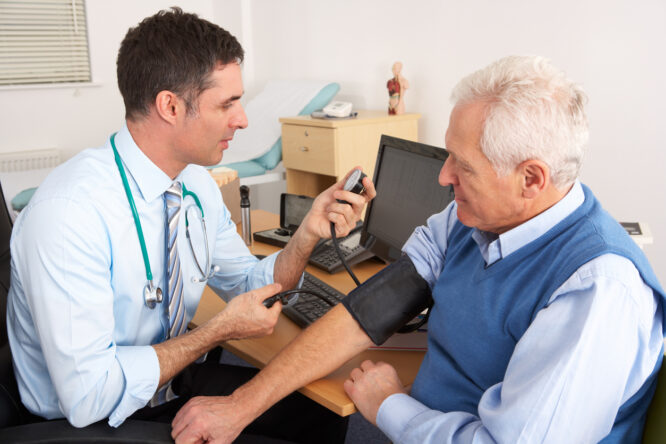
The four risk factors that came up over and over again were high blood pressure, high cholesterol, high blood sugar levels, and a history of smoking. None of these are particularly unique or rare. In fact, they’re common across the UK adult population, with millions of people walking around with at least one of them, often without knowing.
What makes this research so powerful is that all four risk factors can be measured easily, and all four can usually be improved with the right combination of lifestyle changes and medical treatment. None of them are mysterious or untreatable. The big shift the researchers want to see is more people understanding that these numbers genuinely matter, and acting on them long before any major event ever happens.
High blood pressure is the biggest culprit.

Of all four risk factors, high blood pressure stood out as the most significant. In both the US and South Korean groups, more than 93 per cent of people who had a heart attack, stroke, or heart failure had high blood pressure beforehand. That makes it the single most common warning sign in the run-up to serious cardiovascular events.
The trouble is that high blood pressure is famously sneaky. Most people with it have no symptoms at all, which is why it’s often called the silent killer. Plenty of adults in the UK are walking around with raised blood pressure and have no idea, until something serious happens. Checking your blood pressure once or twice a year, especially from your forties onwards, is one of the simplest and most powerful things you can do for your long-term health.
Cholesterol is more important than people realise.

High cholesterol is the second big risk factor. Cholesterol is a fatty substance carried around the body in your blood, and at high levels it can build up inside the walls of your arteries. Over time, this narrows the blood vessels and increases the risk of heart attack and stroke. The damage builds up bit by bit over years, which is why it tends to catch people out.
A simple blood test can tell you exactly where your cholesterol stands. The NHS recommends checking it from the age of 40 as part of the routine NHS Health Check, but anyone with a family history of heart disease should start earlier. If your numbers come back high, your GP may recommend changes to your diet, more exercise, or in some cases medication like statins, all of which are extremely effective at bringing the level back down.
Blood sugar sneakily raises heart risk,

High blood sugar, often a sign of type 2 diabetes or pre-diabetes, was the third risk factor in the study. People with raised blood sugar are far more likely to develop heart disease, even if they don’t yet have a formal diabetes diagnosis. The reason is that high blood sugar damages the blood vessels and nerves over time, which puts extra strain on the heart and increases the risk of blood clots.
Plenty of adults in the UK have raised blood sugar without knowing, since type 2 diabetes can develop slowly and silently. A simple finger-prick test or blood test at your GP can show whether your levels are climbing. Catching it early gives you the best chance of reversing or managing it through diet, weight loss and exercise, before it does serious damage to your heart and other organs.
The lasting impact of smoking can’t be understated.

Smoking is the fourth major risk factor, and it includes both current and former smokers. Cigarettes damage the lining of your blood vessels, raise your blood pressure, reduce the amount of oxygen reaching your heart, and make your blood much more likely to form clots. The combined effect is devastating, with smokers far more likely to suffer heart attacks, strokes, and heart failure than non-smokers.
The encouraging news is that the body starts repairing itself quickly once you quit. Within hours, blood pressure begins to drop. Within weeks, circulation improves. Within a few years, the increased heart attack risk roughly halves. Even smokers who quit later in life see major benefits, so it’s genuinely never too late. Free NHS stop smoking services have an excellent track record and are well worth a phone call if you’ve been thinking about it.
Women’s heart attacks are often different.

Another important finding from recent research is that women’s heart attacks often don’t fit the traditional picture. Most heart attacks in men are caused by clogged arteries, where blood clots block the flow of blood to the heart. In women, however, more than half of heart attacks come from other causes entirely, which has important implications for diagnosis and treatment.
In women, around a third of heart attacks are caused by what’s called supply and demand mismatch, where the heart simply can’t get enough oxygen because of something else going on in the body, like a serious infection, anaemia, or another illness. Other heart attacks in women are caused by tears in the artery walls, or by clots travelling from elsewhere in the body. Understanding these differences matters, since treatment that works brilliantly for one cause may be useless or even harmful for another.
Younger people aren’t immune.

The idea that heart attacks only happen to older people is outdated. Recent years have seen a steady rise in cardiovascular events among younger adults, including people in their thirties and forties. While the risk does climb with age, the same four risk factors still play a major role in younger groups too.
What this means in practice is that nobody should assume they’re too young to worry about it. High blood pressure, high cholesterol, high blood sugar and smoking can all develop in early adulthood, especially when combined with stress, poor sleep, unhealthy diets and a sedentary lifestyle. Getting your numbers checked from your thirties onwards, and acting on any warning signs early, can pay off massively over the decades that follow.
What you can actually do to lower your risk

The honest takeaway from all of this is that you have far more power over your heart health than you might think. Knowing your blood pressure, cholesterol, and blood sugar numbers is the first step, and most adults in the UK are entitled to free NHS Health Checks from the age of 40. Booking one in if you haven’t had it, or chasing up your GP for the basic blood tests, is one of the simplest and smartest things you can do.
After that, the daily habits that matter most are familiar. Eating more vegetables, fruits, whole grains, beans and oily fish. Cutting back on ultra-processed foods, salt, and sugar. Moving your body for at least 150 minutes a week, ideally including some strength work. Sleeping well and managing stress where you can. None of these things are revolutionary, but together they make a huge difference to the four big risk factors that drive almost every major heart event.