Being super close with your family can be comforting, but sometimes it goes too far.

When boundaries blur and your parents, siblings, or other relatives have too much say in how you live your life, it can shape how you see yourself and your relationships, and not necessarily in a positive way. Here are 12 subtle signs your family may have been too entangled growing up, and it may still be happening now. It might be time to start setting some real boundaries…
1. Privacy never really existed.

In some families, personal space is seen as optional rather than essential. If doors were rarely closed, diaries were read, or private conversations were interrupted, it suggests that individuality wasn’t encouraged or respected. The message often was that everything belonged to everyone.
As an adult, you might find it nearly impossible to assert your need for privacy without guilt. Recognising this pattern helps you reclaim space that is yours alone and teaches you that personal boundaries are healthy, not selfish.
2. Your emotions belonged to everyone else.

If one person’s mood dictated the atmosphere of the entire house, it meant emotions were shared rather than individually managed. You might have learned to anticipate and manage other people’s feelings before tending to your own.
Breaking free from this pattern involves learning to identify your own emotional state separately. It’s a gradual process, but it builds resilience and restores a sense of independence in how you feel and respond.
3. Decisions were always collective.

Entangled families often make every decision as a group, even those that should be personal. From what you wore to who you spent time with, your choices may have been up for family discussion or control. It can take time to trust your own decision-making as an adult. However, each independent choice you make now helps prove that autonomy is a strength rather than a threat to connection.
4. Boundaries felt like rejection.

Any attempt to set a boundary may have been met with hurt or guilt-tripping. Saying no or needing space could be treated as though you were rejecting the family itself, rather than simply protecting your own well-being. As an adult, boundaries may still feel uncomfortable, but practising them gently is key. It shows that healthy love survives boundaries, and true connection shouldn’t depend on constant enmeshment.
5. Secrets weren’t allowed, under any circumstances.

Families that are too entangled often discourage privacy in the form of secrets. Even small things, like keeping a thought to yourself, may have been seen as disloyal or suspicious. This can make it hard to develop a strong sense of self.
Learning that some thoughts are yours alone is freeing. It allows you to build inner strength and realise that keeping certain things private isn’t deceitful. It’s a natural part of independence.
6. Your identity blurred with other people’s.

Entanglement often shows up when children are seen as extensions of their parents rather than individuals. If your achievements or failures felt like they belonged to the whole family, your sense of identity may have become tangled in theirs.
Rebuilding a personal identity means exploring what you value and want apart from those influences. It may feel uncertain at first, but carving out your own path is a sign of healthy growth.
7. Your parents confided in you too much.

If your parents shared adult worries or secrets with you as a child, you were given responsibility beyond your years. This blurred the line between parent and child and made you feel entangled in issues that were never yours to solve.
As an adult, recognising when responsibility is misplaced allows you to set clearer roles. It helps free you from the weight of carrying emotions or burdens that were never yours to begin with.
8. Independence was treated with suspicion.

Trying to step out on your own may have been seen as betrayal. Whether it was moving out, choosing different friends, or pursuing your own hobbies, independence could spark criticism or worry rather than support. Reclaiming independence involves gently affirming your choices without needing constant approval. Eventually, you learn that being separate doesn’t mean being unloving, it simply means being whole in yourself.
9. You were expected to share everything.

Sharing is healthy, but in entangled families, it becomes compulsory. From possessions to feelings, nothing was truly your own. This can create long-term struggles with ownership and personal boundaries in adulthood. Recognising that not everything has to be shared allows you to build self-respect. Having something that belongs only to you isn’t selfish, but necessary for balance.
10. Conflict spread through everyone.

If two people had an argument, it often drew in the whole family. Instead of letting the individuals work it out, everyone became part of the tension. This created a constant sense of being pulled into issues that weren’t always yours. Learning to stay out of fights that have nothing to do with you is an important skill. It helps you preserve energy and forces other people to take responsibility for their own disputes.
11. Family loyalty came before individuality.
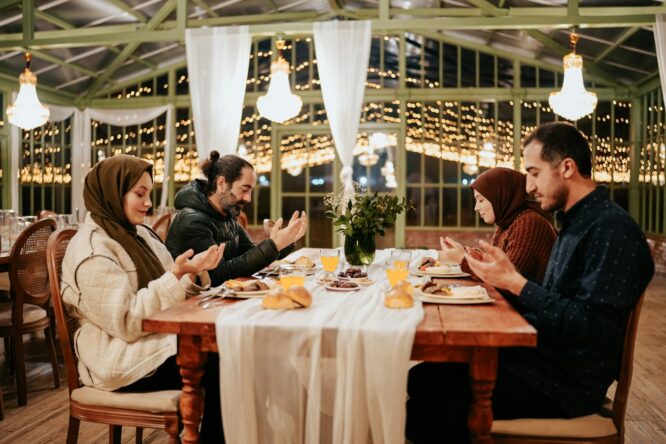
In overly entangled families, loyalty is valued above all else. Choosing differently or disagreeing may have been seen as betrayal, which meant individuality was sacrificed for the sake of maintaining unity. Healing from this pattern means learning that loyalty and individuality can co-exist. Being true to yourself doesn’t erase your bond with family, it simply ensures you’re living authentically.
12. You still feel guilty for pulling away.

Even in adulthood, creating distance from an entangled family can feel like abandonment. The guilt lingers because you were taught that closeness must always equal togetherness in every part of life. As time goes on, guilt softens as you learn that stepping back is healthy. True connection survives even when boundaries exist, and the relationships that respect your independence are the ones that will flourish.