Homophobia isn’t just something aimed at other people—it can also be directed at yourself.

Internalised homophobia often hides beneath the surface, shaping thoughts and behaviours in ways that are painful but not always obvious. Recognising the signs is an important step toward healing. These are some of the patterns that may show up if you’ve taken on the intolerance and hatred others have shown towards your sexuality.
1. You downplay your identity around other people.

If you find yourself avoiding mention of your sexuality or changing the way you talk in certain groups, it may signal discomfort with being fully visible. Hiding parts of yourself to feel accepted can become exhausting over time.
It’s a habit that often comes from fear of judgement or rejection. The more you mask, the more you reinforce the belief that your identity is something to conceal rather than something valid and deserving of openness.
2. You struggle to accept compliments about your identity.
When people affirm or celebrate your sexuality, brushing it off or feeling awkward can suggest a deeper discomfort. Instead of pride, you may feel undeserving or exposed, which points to unresolved feelings about being openly yourself.
These reactions highlight the gap between external support and internal acceptance. Until you believe those affirmations yourself, compliments may land uncomfortably, revealing that you haven’t yet made peace with all parts of your identity.
3. You criticise openly queer behaviour in other people.

Feeling irritated or judgemental toward people who express their sexuality proudly can sometimes be projection. You may resent in other people what you fear or suppress in yourself because their openness highlights your own discomfort.
That criticism often masks envy. Deep down, you may wish for the same freedom but feel trapped by old beliefs or fears. Noticing that tension is a step toward understanding your own internal conflict.
4. You feel guilt about attraction.

Instead of enjoying or accepting feelings of attraction, you may respond with shame. The guilt often stems from messages learned early in life that framed same-sex attraction as wrong or unacceptable.
Over time, guilt turns natural feelings into something heavy. Recognising that this shame isn’t yours to carry helps separate your authentic self from the old conditioning that continues to weigh on you.
5. You avoid queer spaces.
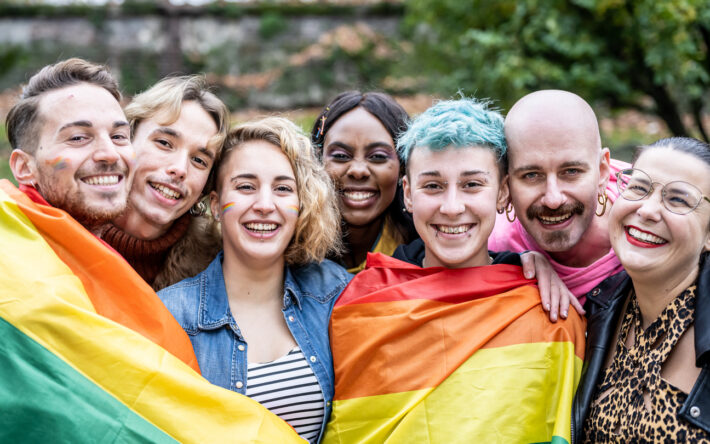
Choosing not to engage with LGBTQ+ spaces or communities can sometimes come from disinterest, but it can also come from fear. If being around openly queer people makes you uncomfortable, it may signal unease with embracing your own identity.
The sad thing is that avoidance prevents connection and support. By staying away, you deny yourself the chance to see that queerness can be celebrated, joyful, and normal, rather than something to distance yourself from.
6. You question if you’re “queer enough.”
Internalised homophobia sometimes shows up as doubting whether you’re valid in your identity. You may feel you don’t fit stereotypes, or that your experiences don’t “count,” leaving you insecure about claiming space within the community.
Constantly second-guessing yourself undermines self-acceptance. Identity doesn’t need to fit a checklist, and comparing yourself only deepens doubt. Recognising the pattern helps you start building confidence in your own version of queerness.
7. You worry about being a burden.

If you believe your sexuality makes life harder for those around you, it suggests you’ve absorbed harmful messages. Seeing yourself as a problem rather than a person reflects how deeply those narratives can take root.
That belief damages relationships because it frames your existence as something other people have to tolerate. Challenging it allows you to see that your identity doesn’t diminish your worth—it’s simply part of who you are.
8. You struggle with intimacy.

Internalised homophobia can create tension in romantic or sexual relationships. Feeling self-conscious, detached, or ashamed when things become intimate often comes from carrying negative associations about attraction and desire.
These struggles aren’t a reflection of your capacity for love. They’re signs of conflict between what you feel and what you’ve been taught. Naming the source helps separate the shame from the intimacy itself.
9. You compare yourself harshly to heterosexual people.

Measuring your life against straight peers can reinforce feelings of inadequacy. You may believe that their milestones are more legitimate or that your path is somehow less valuable, which reflects the weight of internalised stigma.
That comparison strips away any semblance of happiness. By recognising that different doesn’t mean lesser, you free yourself from a hierarchy you never needed to live by. Authenticity matters more than conformity, even if old beliefs resist that truth.
10. You police how you present yourself.

Worrying constantly about appearing “too gay” or “not gay enough” can indicate discomfort with expression. You may filter clothing, speech, or mannerisms through imagined judgement, always editing yourself to appear acceptable.
Monitoring yourself so heavily keeps you trapped. Authenticity requires dropping the performance and accepting that presentation is personal, not something to measure against other people’s expectations. Letting go of that control is often a sign of real healing.
11. You downplay past hurt.

If you dismiss experiences of bullying, exclusion, or rejection as “not that bad,” it may be a way of minimising pain. Of course, pushing it aside doesn’t erase the impact, it only hides wounds that still influence you.
Validating those experiences matters. Accepting that they hurt doesn’t mean you’re weak—it means you’re honest. The acknowledgement alone creates space for healing, rather than carrying unspoken scars into adulthood.
12. You expect rejection before it happens.

Internalised homophobia can make you anticipate rejection, even when there are no signs of it. You might pull away before relationships deepen, convinced other people will eventually leave because of who you are.
Self-protection feels safe in the moment but costs you closeness. Recognising when you’re expecting rejection without reason helps you question whether it’s based on reality or on old wounds that still linger.
13. You feel disconnected from pride.

Pride can feel distant if you haven’t accepted your own identity fully. Instead of celebrating, you may feel like an outsider looking in, uncomfortable with the idea of embracing yourself so publicly.
The disconnect isn’t permanent. With time, support, and self-reflection, pride can transform from intimidating to empowering. When you begin to see queerness as something worth celebrating, the distance between you and authenticity begins to close.