The days of booking a famous capital just to shuffle through overcrowded landmarks are quickly becoming a thing of the past.

The shine has well and truly come off the bucket list cities for many, and travellers are finally moving toward the alternatives they used to skip. Whether it’s swapping Paris for Lyon or trading Rome for Bologna, these “second cities” are booming because they offer a version of a country that hasn’t been polished and overpriced for the masses.
Dodging the queues or saving a few quid is a massive part of the appeal, but it’s more about finding a place that still feels like a functioning city rather than a tourist theme park. If you’re tired of seeing the same three landmarks on everyone else’s feed, it might be time to change your approach to travel.
The appeal of second city travel is pretty obvious.

Second city travel is fairly simple in concept. Instead of visiting a country’s most famous destination, travellers are choosing alternative cities that offer a similar experience without the same level of crowds or cost. Think swapping Paris for Lyon, Barcelona for Valencia, or Amsterdam for Rotterdam. These places still offer culture, food, and atmosphere, but often feel more relaxed and easier to navigate, especially during peak travel periods.
More travellers are moving away from major capitals.
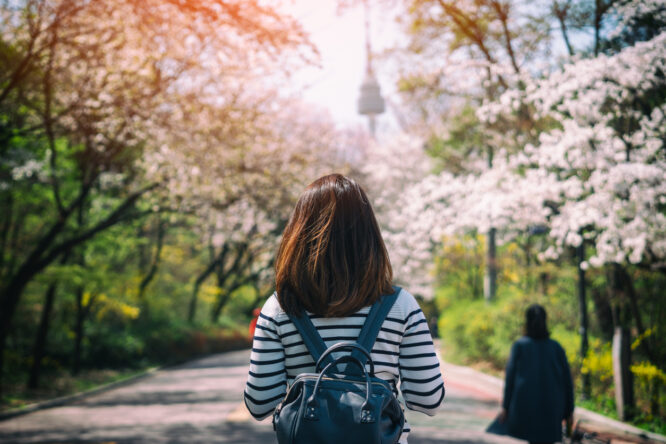
One of the biggest drivers behind this change is overcrowding. Popular cities have become busier than ever, particularly during summer, which can take away from the experience people are actually travelling for. Costs are another factor. Accommodation, food, and activities are often a lot more expensive in major capitals, which is pushing travellers to look for alternatives that feel better value without sacrificing quality.
People are looking for something that feels more natural.

There’s a growing sense that some major tourist hotspots feel overly curated. It’s easy to end up in places that are designed around visitors rather than reflecting everyday life. Second cities tend to feel more lived-in. Restaurants are less focused on tourists, neighbourhoods feel more authentic, and the overall experience can feel less staged and easier to connect with.
Younger travellers are helping drive the trend.

Younger travellers are increasingly choosing less obvious destinations, often favouring experiences over well-known landmarks. They’re more likely to look for places that offer something different rather than simply following the most popular routes. That change in mindset is helping bring attention to smaller cities that might have been overlooked in the past, giving them a stronger place on travel lists.
Better transport is making these places easier to reach.

Improved transport links are also playing a role. Budget airlines, expanded rail networks, and more direct routes mean smaller cities are no longer difficult to get to. In many cases, travelling to a second city is just as straightforward as visiting a major capital, which removes one of the biggest barriers that used to limit choice.
It often works out cheaper without feeling like a compromise.

For many travellers, the cost difference is hard to ignore. Hotels, meals, and activities in second cities are often more affordable, which can make a noticeable difference over the course of a trip. The key point is that it doesn’t feel like settling for less. Many of these cities offer just as much in terms of culture and experience, just without the premium price tag attached to more famous destinations.
There’s more flexibility in how people travel now.
Travel in 2026 is more flexible than it used to be, with shorter breaks and less rigid planning becoming more common. That makes smaller cities particularly appealing, as they’re often easier to explore in a limited amount of time. Instead of trying to fit everything into a packed schedule, travellers are choosing places where they can move at a more relaxed pace and still feel like they’ve seen enough.
Examples of second cities people are choosing
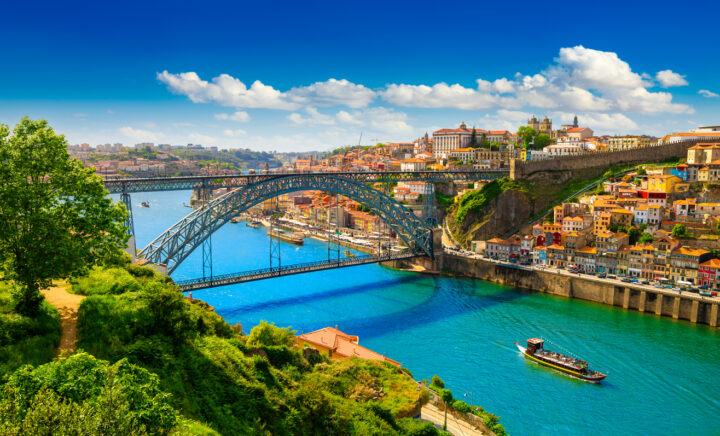
Across Europe, the trend is easy to spot. Instead of Rome, some are choosing Bologna. Instead of Lisbon, Porto is becoming a popular alternative. In Germany, cities like Hamburg and Cologne are attracting more attention alongside Berlin. In the UK, cities such as Manchester, Birmingham, and Glasgow are also seeing increased interest from both domestic and international visitors who want a city experience without heading straight to London.
Choosing second cities can change the way a whole trip feels.

One of the biggest differences is the pace. Second cities are generally less crowded, which makes it easier to explore without feeling rushed or overwhelmed. That extra space often leads to a more relaxed experience overall, where travellers can spend more time in each place rather than moving quickly between attractions.
Why you should consider second cities for your own holiday plans
If you’re planning travel this year, it’s worth considering destinations beyond the most obvious choices. There are now far more options available that offer a similar experience without the same drawbacks. Looking at second cities can mean better value, fewer crowds, and a more comfortable pace, all without losing what makes a trip enjoyable in the first place.
This trend is likely to keep growing.

As travel demand continues to increase, pressure on major cities isn’t going away. That means interest in smaller, less crowded destinations is likely to keep rising. With better connections and changing expectations, second city travel is shaping up to be more than just a passing trend, becoming a normal part of how people plan trips.