Whether you believe in a higher power or not, the big questions about God have been fuelling debates for centuries, and they’re not going away any time soon.

While some people rest comfortably in faith, and others in disbelief, there’s a vast space in between filled with uncertainty, contradiction, and deeply personal searching. Here are 16 of the most divisive and enduring questions that continue to spark tension, and conversation, between believers and sceptics.
1. If God is all-powerful, why is there so much suffering?

This is one of the oldest and most emotionally charged questions. For many sceptics, the idea of a loving, all-powerful God seems incompatible with the amount of pain in the world, from war and poverty to personal tragedy and disease.
Believers often answer this with explanations about free will, the nature of a fallen world, or suffering as part of a larger plan. However, those answers don’t always satisfy, especially for those going through something painful themselves. It’s a hard one to settle because it touches on both logic and emotion.
2. Can faith and science really coexist?
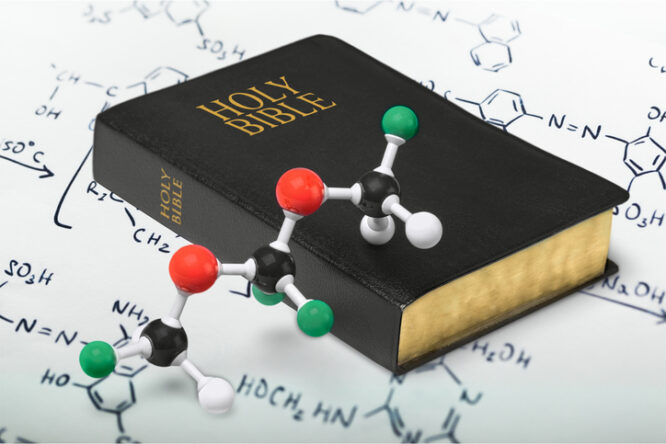
There’s a long-standing assumption that belief in God and belief in science are at odds. Evolution, the Big Bang, and scientific explanations for the origins of life often feel like a direct challenge to traditional religious stories.
Some believers see no conflict—they view science as a way of understanding how God works. Others feel forced to choose between the two. For sceptics, the evidence-driven nature of science makes faith seem unnecessary or outdated, which keeps this debate firmly alive.
3. Why does God stay silent?

Even devout believers admit that God often feels distant or unresponsive. People pray, cry out, and plead for answers, and sometimes receive nothing but silence. This silence can either deepen faith or break it completely. For sceptics, the lack of direct, observable communication from God is a major red flag. If God exists and cares, why would he seem so absent? Believers may see this as a test of faith, but it’s a sticking point that continues to divide.
4. Is religious experience just a brain trick?

Many people describe powerful spiritual moments, or feelings of divine presence, peace, or revelation. Believers often point to these experiences as proof of God’s existence. However, neuroscience has shown that certain areas of the brain can trigger these feelings artificially. This raises a thorny question: are these encounters truly spiritual, or are they neurological responses shaped by emotion, culture, and expectation? The line between divine and psychological remains blurry and heavily debated.
5. Why are there so many different religions?
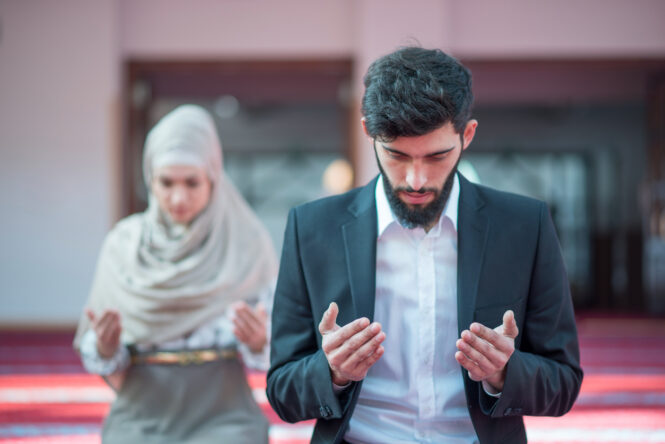
With thousands of belief systems around the world, many of them claiming to be “the one true way,” it’s fair to ask, why the variety? For sceptics, the sheer number of gods and doctrines makes any one religion seem arbitrary or manmade. Believers often see their faith as the correct path and view other religions as cultural misinterpretations or partial truths. But for those outside of belief, the diversity itself feels like evidence that these ideas were created, not revealed.
6. Does prayer actually change anything?
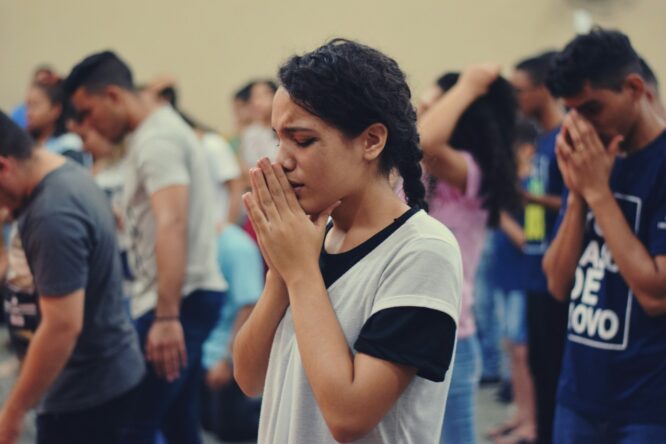
For many believers, prayer is an act of trust, connection, and hope. However, sceptics often point out that prayers seem to go unanswered just as often as they’re fulfilled, and that outcomes don’t seem any different from random chance. This leads to the question: is prayer for God, or for us? While some find peace in the act itself, others question whether it has any real-world impact beyond emotional comfort. It’s another point where faith and logic don’t quite meet.
7. Why would God need worship?
The idea that a supreme being would want, or require, praise can feel odd. Sceptics often ask why an all-powerful, self-sufficient deity would care whether humans worship him or not. Believers usually frame worship as an expression of gratitude, love, and alignment with God’s will, not as something God “needs.” Still, the question is completely valid: is worship about connection, or control?
8. Is morality possible without God?

Religions often claim to provide a moral framework, suggesting that without God, people would live selfish or chaotic lives. But many non-believers live ethical, principled lives without referencing a higher power. This leads to tough questions about the origins of morality. Is it divine, or evolved? Can goodness exist independently of belief? This one goes beyond religion, and it cuts into how we define being human.
9. Why do bad people prosper while good people suffer?

Believers are often told that justice will come in the afterlife or that we can’t understand God’s timing. But in the here and now, it’s hard to watch corrupt or cruel people thrive while kind, honest ones struggle. Sceptics see this as one more example of a world that runs on chance, not divine fairness. For believers, it’s a test of faith. Either way, it’s a moral riddle that keeps sparking frustration on both sides.
10. If God made us, why are we so flawed?
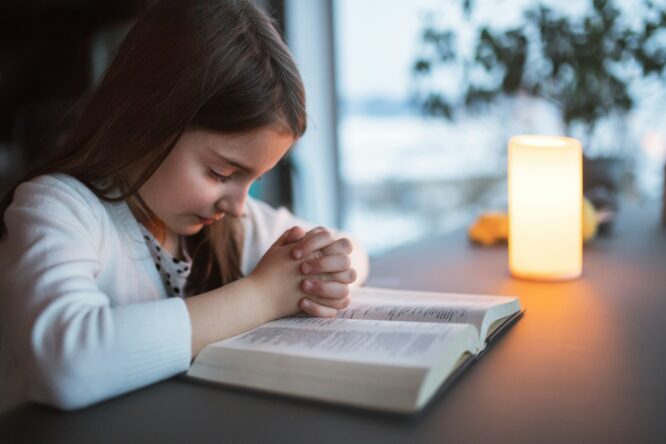
Humans lie, cheat, hurt each other, and struggle with addiction, insecurity, and fear. If we’re created in God’s image, why are we so messy? Is that by design, or a result of sin, or something else entirely? Some believers see this as part of the human journey, flaws included. Sceptics, on the other hand, see it as evidence that we’re simply evolved animals with no divine blueprint. The contradiction between “made perfectly” and “clearly imperfect” continues to cause friction.
11. Why does God allow natural disasters?
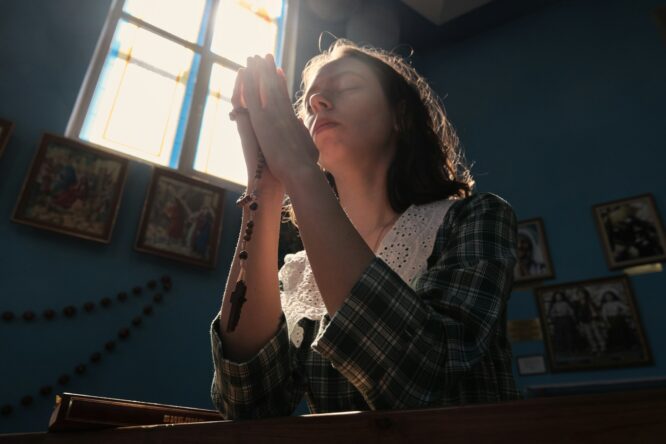
Earthquakes, floods, and wildfires cause mass suffering. Unlike human cruelty, these aren’t a result of free will. So why would an all-loving God design a world where nature itself can be so destructive? Believers sometimes say it’s part of a larger plan or a consequence of a fallen world. Sceptics tend to see it as cold evidence that nature runs without moral oversight. It’s just cause and effect, not divine intention.
12. Do miracles actually happen?

Some people claim to have witnessed or experienced events that defy explanation: sudden healing, impossible timing, or signs they believe came from God. For believers, miracles are a sign that God is real and involved. Sceptics, on the other hand, usually see these as coincidences, confirmation bias, or misinterpretations. The line between miracle and mystery is heavily debated, and proving or disproving a miracle often depends more on worldview than evidence.
13. Can a loving God send people to hell?
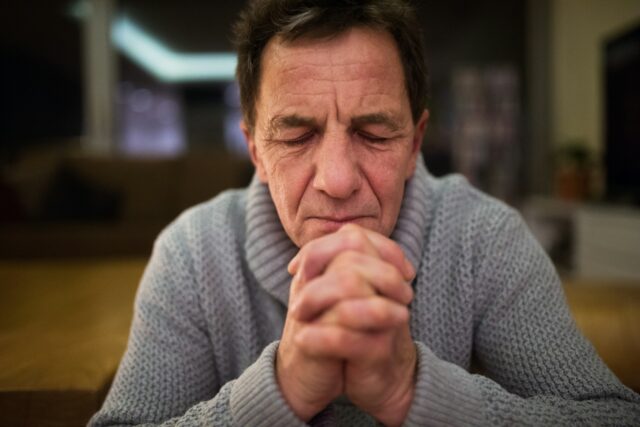
This question hits hard. Eternal punishment, especially for those who simply doubted or were raised in a different religion, doesn’t sit well with many people, believers included. Some argue hell is separation from God, not fire and brimstone. Others say it’s symbolic. However, sceptics ask: how can infinite punishment ever be just? For many, the idea of hell challenges the very definition of divine love.
14. Why does God’s message change over time?
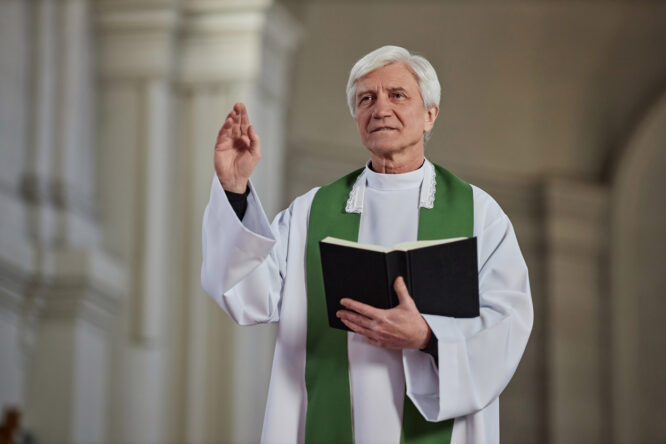
Religious texts were written centuries ago in very different cultural contexts. As time has gone on, interpretations have changed. Some teachings have been softened, others redefined, and new movements have formed entirely. However, if God is eternal, why does the message evolve? Believers might say it’s human understanding that’s changing. Sceptics often argue that this evolution points to a manmade belief system adapting to new social norms.
15. What happens to people who never heard about God?
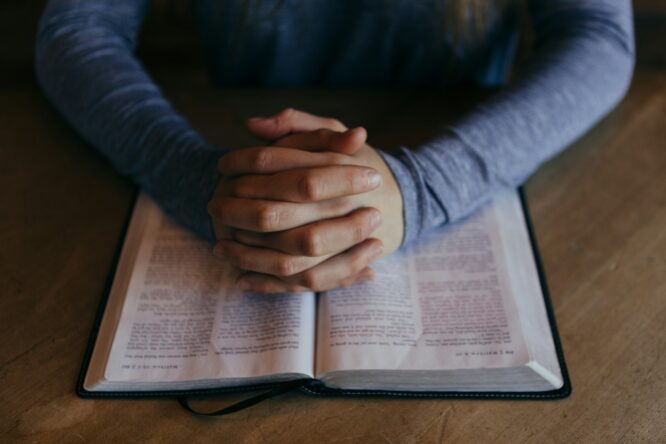
Across history and geography, millions of people have lived and died without ever hearing about Christianity, or any formal religion. What happens to them in the afterlife? Are they judged by what they knew or didn’t know? This question troubles many believers who struggle with the idea of divine fairness. Sceptics see it as one more reason to question doctrines that seem rigid or exclusive. It brings up issues of justice, compassion, and cosmic accountability.
16. Can doubt and belief really exist together?
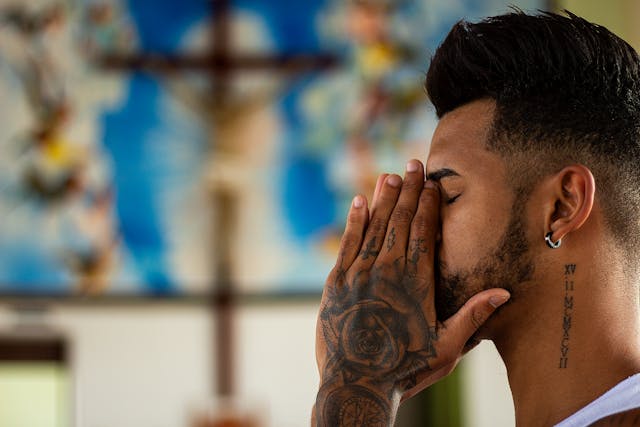
Plenty of people who believe in God also wrestle with questions and uncertainty, but others feel that real faith means total certainty, and anything less is failure. This divide exists even within religious communities. Sceptics often say doubt is honest, not weak, and many believers agree. However, how much questioning is too much? Can you believe and still not be sure? The tension between certainty and curiosity sits right at the heart of the modern faith conversation.