Let’s face it, you’re not the same version of yourself around your parents that you are with your friends—that’d be a bit weird.

However, the fact that you let different elements of your personality shine depending on who you’re with doesn’t mean you’re fake or playing a role. In fact, it’s completely normal you speak, act, and just feel differently when you’re around different people in your life. Here’s why it happens, and why it’s no big deal.
1. Your brain copies other people without you realising it.

You know how you start talking with the same accent as whoever you’re hanging out with, or you catch yourself using their hand gestures without meaning to? That’s your brain’s mirror neurons doing their thing, basically making you a human chameleon who picks up other people’s energy and mannerisms automatically.
Copying isn’t something you decide to do; it just happens because your brain is wired to sync up with whoever you’re around. You might notice yourself getting louder around your loud friend or walking faster when you’re with someone who powerwalks everywhere, and it’s all happening without any conscious effort on your part.
2. You have different versions of yourself for different situations.

The you that shows up to family dinner is probably pretty different from the you that shows up to a house party, and that’s totally normal because different situations call for different parts of your personality. It’s like having multiple outfits for different occasions, except instead of clothes, you’re switching between different behavioural styles.
Work you might be more serious and professional while weekend you is more relaxed and goofy, but both versions are real and authentic. You’re simply emphasising different aspects of who you are based on what fits the situation best.
3. You want different groups of people to like you.

You probably highlight your funny side around people who love to laugh, your smart side around people who value intelligence, and your responsible side around people who worry about you making bad choices. It’s not manipulation; it’s just your brain trying to fit in wherever you are.
This need to belong is so strong that you automatically lean into whatever gets positive reactions from each group. Your theatre friends might love your dramatic storytelling, while your gym buddies appreciate your competitive streak, so you naturally emphasise different traits with each crowd.
4. Other people’s moods rub off on you.

Ever notice how being around stressed people makes you feel stressed, or how hanging with someone super chill helps you relax? That’s emotional contagion, and it’s basically your brain absorbing the feelings of whoever you’re with like some kind of emotional sponge that you can’t turn off.
Your mood becomes this weird blend of how you were feeling plus how everyone else is feeling, which explains why you might leave a party feeling completely different than when you arrived. You’re literally catching feelings from other people the same way you might catch their cold.
5. Different people bring out different relationship patterns.

You might feel totally secure and confident with some friends but anxious or distant with others, even though you’re the same person in both situations. Different people just trigger different relationship styles based on your past experiences and what your nervous system learned about getting close to others.
These patterns aren’t really about the current relationship being good or bad; they’re more about how different people remind your subconscious of other relationships you’ve had. Some people make you feel safe to be vulnerable, while others make you want to build walls, and it’s usually not even their fault.
6. Power dynamics change how you act.

You probably don’t talk to your boss the same way you talk to your little cousin, right? That’s because your brain automatically reads the power balance in every interaction and adjusts your behaviour accordingly. Higher status people get more formal you, while peers get casual you.
You’re not fake or kissing up. Instead, you’re reading the room and responding appropriately. You naturally become more careful with your words around people who have authority over you, and more relaxed around people who are on your level or below.
7. Your brain hates feeling different from the group.

When your personal opinions clash with whatever group you’re in, your brain gets uncomfortable and tries to fix the mismatch by either changing what you say out loud or finding ways to convince yourself that you actually agree with everyone else. It’s like your mind is allergic to standing out.
You might find yourself nodding along with political views you don’t really hold or laughing at jokes that aren’t funny to you, just because disagreeing or not reacting feels too awkward. Your brain would rather blend in than deal with the social tension of being different.
8. You use other people to figure out what’s normal.

Your sense of what’s appropriate gets constantly updated based on what everyone else is doing around you. Something that feels totally normal with your wild college friends might feel completely inappropriate with your conservative coworkers, and your brain just adjusts to whatever the local normal is.
You’re basically using other people as your reference point for how loud to talk, what topics are okay to bring up, and how to act in general. Your internal “normal meter” gets recalibrated depending on your social environment, which is why the same behaviour can feel right or wrong depending on the context.
9. Being around certain people triggers old memories.

Your college friends might bring out your rebellious side because that’s who you were when you knew them, while your high school friends might make you act like a teenager again, even though you’re a grown adult now. Different people unconsciously activate different versions of your past self.
It’s like your brain has all these different folders of who you used to be, and certain people or places just automatically open those old files. You might find yourself using slang you haven’t used in years, or acting in ways that feel both familiar and weird at the same time.
10. Group membership becomes part of your identity.

When you really identify with a group, you start liking what they like and acting how they act, even if it’s different from your usual preferences. Being part of the group becomes more important than your individual taste, so you adapt to match the group vibe.
You might find yourself getting into music you normally wouldn’t listen to or developing opinions about things you never cared about before, just because that’s what your new friend group is into. Both the old preferences and the new ones feel real because they’re tied to different parts of your identity.
11. Some people stress you out, others calm you down.

Your nervous system reacts differently to different people based on how safe or threatened you feel around them. Some relationships put you on edge even during casual conversations, while others help you feel relaxed and authentic. It’s not really about what’s happening in the moment, but about what your subconscious expects.
This stress response isn’t necessarily logical or fair to the other person. Someone might remind you of a difficult relationship from your past, making you more defensive around them, while someone else might have a calming energy that helps you feel more like yourself.
12. You switch communication styles like changing channels.

You automatically adjust everything about how you communicate based on who you’re talking to; your vocabulary, your tone, even your accent might change depending on the situation. It’s like being fluent in multiple social languages and knowing which one to use when.
Code-switching is a way of being respectful and effective in different contexts. The way you text your best friend versus email your professor versus talk to your grandmother are all authentic ways of communicating, just adapted for different relationships.
13. You see in other people what you expect to see.

You unconsciously project your own stuff onto other people, which means you might act more competitive around someone you think is competitive, or more defensive around someone you see as judgemental. You’re often responding to your own projections rather than what’s actually happening.
These projections create weird feedback loops where you end up bringing out in others the exact qualities you were expecting to see, which then confirms your original impression. You might be having a relationship with your own assumptions more than with the actual person.
14. Your brain is wired to prioritise fitting in.
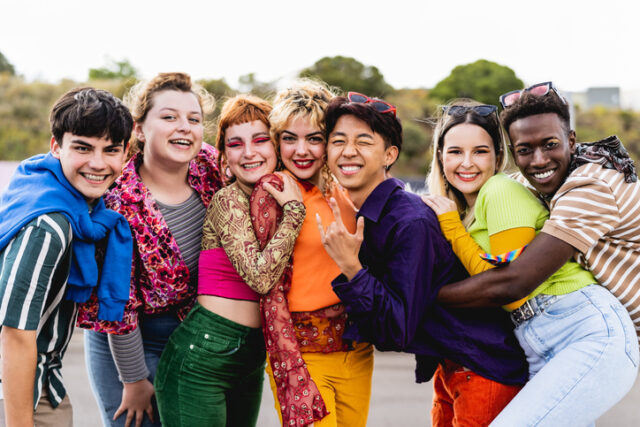
Deep down, your brain still thinks getting rejected by the group might mean death, even though logically, you know that’s not true anymore. So, you automatically adjust your behaviour to maintain social bonds and avoid rejection because millions of years of evolution programmed you to value group survival over individual expression.
This isn’t conscious decision-making; it’s ancient wiring that treats social rejection like a physical threat. Your behaviour changes aren’t just about being polite; they’re about satisfying this deep biological need to stay connected to people who could theoretically help you survive.