Shoppers across the UK are being asked to check their cupboards, fridges, and nurseries after a string of product recalls over the past week or so. Items sold at supermarkets including Waitrose, Tesco, and Morrisons have been pulled from shelves, along with a popular pushchair, a ladder, and a cot accessory. Some products contain allergens that aren’t listed on the label, while others could swell and burst or pose a risk of injury. Here’s what’s affected and what you should do if you’ve bought any of them.
Why products get recalled
When a company discovers that something it sells may not be safe to eat, drink or use, it will usually take it off sale and ask customers to stop using it. This is known as a recall, and it can happen for all sorts of reasons, from a labelling mistake to a fault in the way something has been made or put together. Recalls don’t always mean anyone has been harmed, and many are issued as a precaution once a problem is spotted.
Food recalls often involve ingredients that haven’t been listed on the packaging, which can be dangerous for people with allergies or sensitivities. Other recalls involve faults that could cause an injury, particularly with items designed for babies and young children. Even if a recall doesn’t seem to affect you directly, it’s sensible to check, as you may have bought the item for someone else in your family. Passing the information on to friends or relatives who might have the same products at home can help too.
Waitrose doughnuts with hidden soya
View this post on Instagram
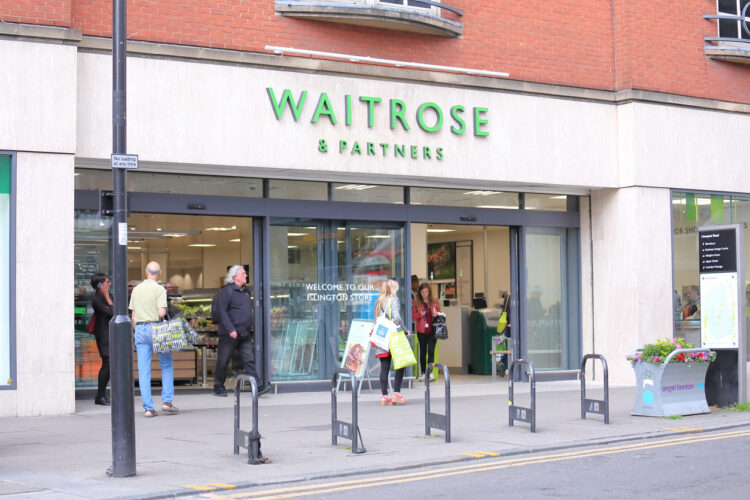
Waitrose has recalled two packs of its own-brand doughnuts because they contain soya that isn’t mentioned on the label. These are popular treats, so they may well have ended up in lunchboxes or on the table at a family gathering. The affected products are the Waitrose & Partners Sweet, Fluffy, Golden Ring Doughnuts in packs of five and the Waitrose & Partners Jammy, Messy, Squidgy Doughnuts, also in packs of five.
Both carry best before dates of 10 and 11 November 2026. If you have a soya allergy and have bought either pack, don’t eat them. Instead, wrap them up and take them back to your nearest Waitrose shop, where you’ll get a full refund without needing a receipt. Anyone without a soya allergy can still eat them safely, as the problem is only with the missing allergy information.
Baxters Cullen Skink soup
Baxters is recalling its Chef Selections Cullen Skink soup after a fault during production. Cullen Skink is a traditional Scottish soup made with smoked haddock, potatoes, and onions. The problem could cause the soup to go off inside the tin, which may lead to the can swelling and possibly bursting. The soup is sold in several supermarkets, including Tesco, Morrisons, Waitrose and Sainsbury’s.
The affected tins are 400g, with the batch code L07XC and a best before date of April 2029. If you have one in your cupboard, place it carefully in a bag and throw it away rather than opening it. You can then contact Baxters directly to arrange a replacement. Swollen or bulging tins of any kind should always be thrown away, as they can be a sign that the food inside has spoiled. The same goes for tins that hiss or spurt when opened, or that smell unusual.
Rubicon Yuzu and Pink Grapefruit cartons
View this post on Instagram
;
Drinks company AG Barr is recalling Rubicon Yuzu and Pink Grapefruit in 1 litre cartons because they may contain sulphites that aren’t listed on the label. Sulphites are a type of preservative, and they can cause a reaction in people who are sensitive to them, including some people with asthma. Symptoms can range from wheezing and a tight chest to skin rashes or an upset stomach.
Four batches are affected: batch code 6160 with a best before date of June 2027, batch code 6198 with a best before date of July 2027, batch code 6219 with a best before date of August 2027 and batch code 6257 with a best before date of September 2027. If you’ve bought any of these, don’t drink them. Take the carton back to the shop where you bought it, and you’ll be given a full refund. The batch code and best before date are usually printed on the top or side of the carton.
Britax Römer pushchairs
Britax Römer has recalled its SMILE III, SMILE 4 and some SMILE 5Z pushchairs because of a possible safety problem with the front wheels. Under certain conditions, the part that locks the front wheel in place can wear down over time, which could cause the wheel to come off while the pushchair is being used.
If that happens, the pushchair could become wobbly or stop working as it should, which could put a child at risk of injury. To check yours, see whether the front wheels come away without you pressing the release button. If they do, stop using the pushchair straight away. Pushchairs are used every day, so even a small fault can quickly become a big worry. Owners of affected models made before March 2024 can register on the Britax Römer website through its safety notice to receive a replacement frame or a repair kit.
The Workplace Depot combination ladder
View this post on Instagram
An aluminium multipurpose ladder sold by The Workplace Depot has been recalled because it poses a serious risk of injury. Safety checks found that the ladder isn’t sturdy enough and could buckle while someone is standing on it, meaning they could fall from a height. Falls from ladders are a common cause of serious injuries at home and at work.
The locks on the ladder are also faulty, and its base is too narrow to meet basic safety standards. The affected ladders carry the batch number PO-08816 and were sold between 6 January 2026 and 30 October 2026. If you own one, stop using it right away and call The Workplace Depot’s customer services team on 0800 0126 777 to arrange a full refund. Don’t try to repair it yourself, as faults of this kind can’t be fixed safely at home.
Petite Amélie wooden mobile holder
Parents are being urged to check their baby’s cot after a wooden mobile holder from Petite Amélie was recalled. The glued joint on the arm can come loose over time, which means the arm and the mobile hanging from it could fall into the cot or playpen and land on a baby lying underneath. Mobiles are often hung right above where a baby sleeps, which is why this fault is being taken so seriously.
The recall covers the Brown and Dark Brown versions, with barcodes 8720986429696 and 8721214200476 and item numbers MOBARMWL and MOBARMWLD. The Brown model was sold from July 2025 up to and including 16 October 2026, while the Dark Brown model was sold from late July 2026 up to the same date. Stop using it straight away, take it out of the cot or playpen and keep it well out of reach. Customers who bought one have been contacted directly, and refunds will be paid back automatically to the original payment method.
How to keep track of recalls
Recalls are announced regularly, so it helps to know where to find them. The Food Standards Agency publishes food and allergy alerts on its website, and you can sign up for free email or text updates so you hear about them as soon as they’re issued. Most supermarkets also list current recalls on their websites and often display notices in store, usually near the customer service desk. Checking these lists only takes a few minutes.
For non-food items such as toys, prams and household equipment, the government keeps an online list of product safety alerts and recalls. Registering new products with the manufacturer, especially baby gear and electrical items, means you’ll be contacted if a problem is found. Keeping receipts and packaging for a while after buying something can also make it easier to check batch numbers and claim a refund if you ever need to. A quick check every few weeks can give you peace of mind that nothing in your home has been flagged.