It’s easy to have a laugh at the way our parents and grandparents did things, whether it’s the obsession with physical filing cabinets to the refusal to throw away a perfectly good glass jar.

For a long time, these habits were written off as the leftovers of a different era—fusty, inefficient, and a bit out of touch with a world that’s moved entirely onto the cloud. But as life gets more expensive and the digital world starts to feel a bit fragile, a lot of that “old-fashioned” common sense is starting to look like a stroke of genius.
From the habit of keeping a bit of cash hidden away to the DIY mentality that means you fix a broken toaster instead of binning it, these behaviours are making a massive comeback for a reason. We’re finally realising that being a bit more self-reliant and less reliant on a subscription for everything isn’t just a quirky trait; it’s a much smarter way to live. Turns out, the boomers were onto something all along, and we’re just now catching up. These are some of the practices more people are adopting again.
Being careful with money instead of spending without thinking

There was a long stretch where spending freely felt normal. Subscriptions stacked up, next-day delivery became the default, and buying things on impulse didn’t feel like a big deal because everything was so easy to access.
Now that costs have crept up across the board, that mindset has definitely changed for many. Taking a moment before buying something, comparing prices, or waiting until you actually need it doesn’t feel restrictive anymore. It just feels sensible, especially when small decisions quickly add up over a month.
Fixing things instead of replacing them straight away
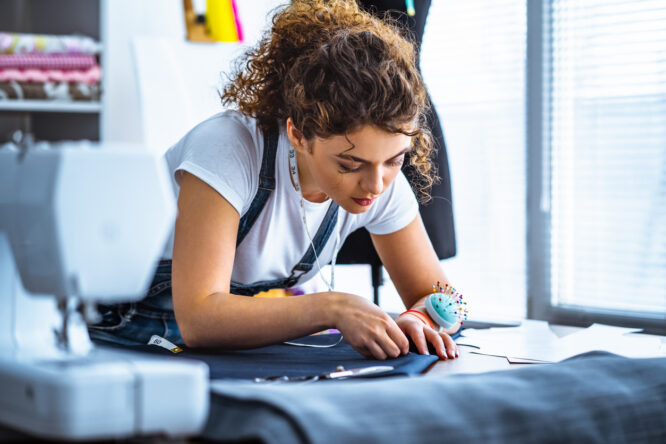
For years, it often felt easier to throw something out and replace it than to fix it. Cheap manufacturing and fast delivery made it seem like repairing things wasn’t worth the effort. That’s changed a bit. With prices rising and quality becoming more noticeable, people are starting to hold onto things longer. Simple repairs, whether it’s sewing a button or fixing a loose hinge, suddenly feel worth doing again rather than automatically reaching for a replacement.
Cooking at home as the default rather than the backup plan.
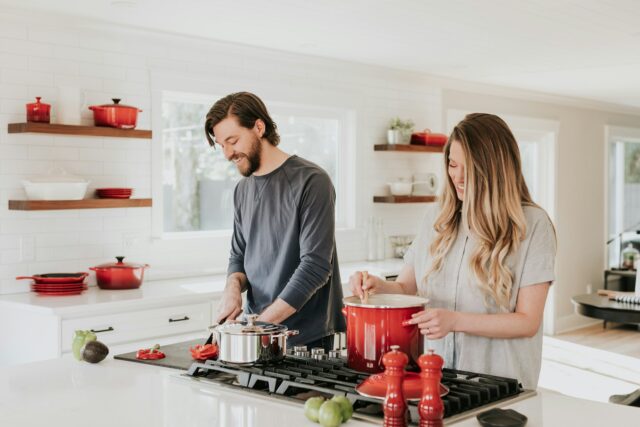
Food delivery and takeaways made it easy to treat cooking as something optional. It was quicker, convenient, and often didn’t feel that expensive in the moment. As time goes on, though, those costs build up. More people are realising how much they spend on convenience food and are going back to cooking regularly. It’s not about doing anything fancy, just getting back into the habit of making simple meals most days.
Keeping things “just in case” instead of constantly clearing out
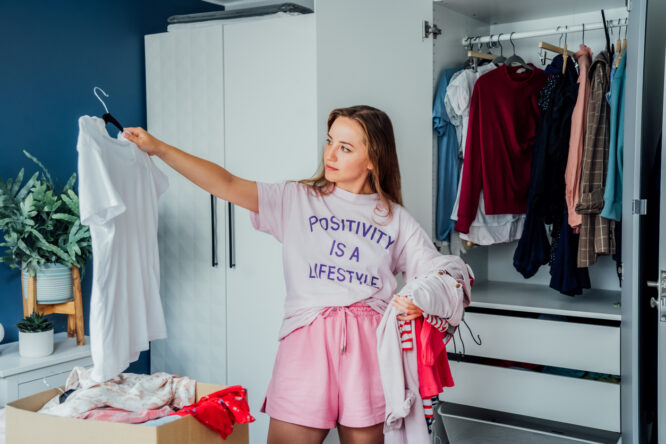
There was a phase where decluttering became almost a lifestyle, with the idea that anything not used regularly should go. Keeping things was often seen as unnecessary or messy. There’s more of a middle ground these days. Holding onto items that are still useful, even if they’re not used every week, feels more practical than constantly buying and replacing them later. It’s less about keeping everything and more about not wasting what you already have.
Writing things down instead of relying on your phone for everything

Digital tools took over quickly, and for a while, it felt like everything had to be stored in an app. Lists, reminders, and plans all moved onto screens. However, a lot of people are finding that writing things down actually works better. It’s easier to focus, easier to remember, and doesn’t come with the distraction of notifications pulling your attention away every few seconds.
Choosing things that last rather than things that look impressive

There’s been a move away from buying for appearance and more towards buying for durability. That used to be seen as boring or overly cautious. Now it feels like a smarter way to spend. Paying attention to how long something will last, rather than how it looks on the surface, tends to lead to fewer replacements and better value in the long run.
Doing basic things yourself instead of outsourcing everything

Convenience has made it easy to pay for services that used to be done at home. Cleaning, simple repairs, and even small everyday tasks have gradually been outsourced. However, as those costs add up, people are picking some of those tasks back up again. It’s not about doing everything yourself, just recognising that some things are quicker and easier than they’ve been made to seem.
Spending time offline on purpose

Being constantly connected has become the norm, but it’s also left a lot of people feeling overwhelmed. Notifications, messages, and endless scrolling don’t really switch off. That’s why stepping away from screens is starting to feel more valuable. Whether it’s reading, walking, or just doing something without a phone nearby, that break from digital noise is becoming something people actively look for.
Sticking to routines instead of constantly changing things

There’s been a push towards always trying something new, whether it’s routines, habits, or ways of doing things. Stability hasn’t always been seen as exciting. These days, there’s more appreciation for routines that actually work. Keeping things consistent can make life feel simpler and more manageable, especially when everything else feels unpredictable.
Thinking ahead instead of just reacting in the moment

Older habits often involve planning ahead, whether that’s budgeting, preparing meals, or keeping things ready for later. For a while, that kind of thinking felt overly cautious. Of course, when things get more expensive or uncertain, that mindset starts to feel useful again. It’s less about worrying and more about avoiding problems before they happen.
Using what you already have before buying more

It’s easy to forget what you already own when things are so easy to replace. Buying something new often feels quicker than checking what’s already there. That’s starting to change as well. Making use of what you already have, whether it’s food, clothes, or household items, feels like an obvious way to cut back without really sacrificing anything.
Letting things last instead of chasing constant upgrades

There’s been a strong push towards upgrading regularly, especially with technology and household items. New versions are always marketed as essential. However, more people are starting to question that cycle. If something still works, there’s less pressure to replace it immediately, which naturally leads to spending less in the long run.
Taking your time instead of rushing everything.

Speed has been prioritised for years, whether it’s fast delivery, instant replies, or quick decisions. Slowing down hasn’t always been encouraged, but today there’s a growing sense that not everything needs to be immediate. Taking a bit more time can lead to better decisions, less waste, and less stress overall.
Why these habits are coming back around

A lot of these behaviours were never really outdated, they just didn’t fit the way things were going for a while. When money was easier to spend and convenience was everywhere, they felt unnecessary. Now that things have changed, they’re starting to feel relevant again not because they’re old, but because they still work.
What it actually says about how people are changing

This isn’t really about copying older generations, it’s more about adjusting to current conditions. When things become more expensive or less predictable, practical habits tend to come back into focus. It’s less about going backwards and more about keeping what makes sense. When something works over time, it tends to stick around, even if it falls out of fashion for a while.