We’ve all had those moments where we’re watching a pub quiz and feeling like a total genius until a simple question comes along and completely trips us up.

It’s easy to think you’ve got a solid handle on the basics—as in, the stuff we all supposedly learned in school or picked up from the news—but general knowledge has a funny way of leaking out of your brain when you actually need it. These questions aren’t designed to be cryptic or clever; they’re the kind of facts that sit right on the tip of your tongue, yet most people find themselves staring at the ceiling and coming up blank. It turns out that what we call common knowledge isn’t actually that common at all, and only about 2% of people can actually breeze through a list like this without a single pass.
1. What colour is a plane’s black box?

The name has been around so long that nobody questions it anymore. That’s the trap. The box itself is painted a very specific colour for a very practical reason, and it has nothing to do with black.
2. What is the capital of Australia?
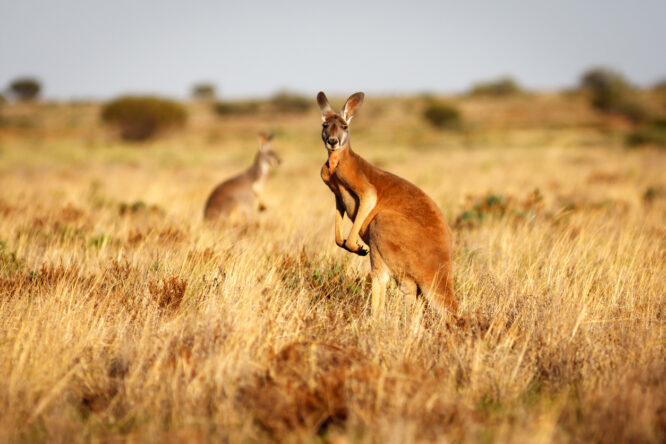
Most people go straight for the most famous city, which is exactly the wrong move. Australia’s capital was actually purpose-built because two major cities couldn’t agree on which of them deserved the title.
3. What language do they speak in Brazil?
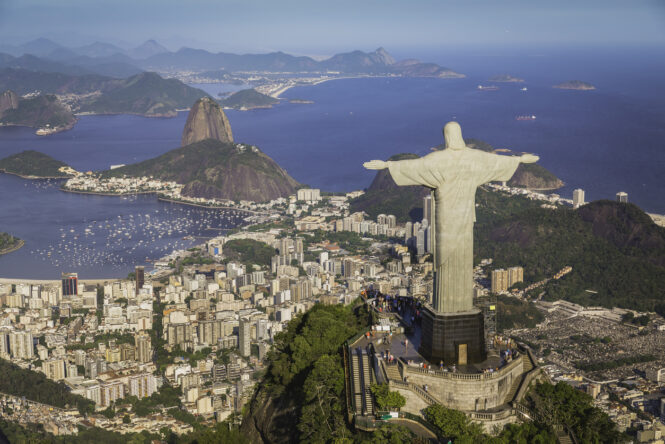
Look at a map of South America, and you’d be forgiven for assuming Brazil speaks the same language as its neighbours. It doesn’t. Its colonial history went in a different direction entirely.
4. How many hearts does an octopus have?
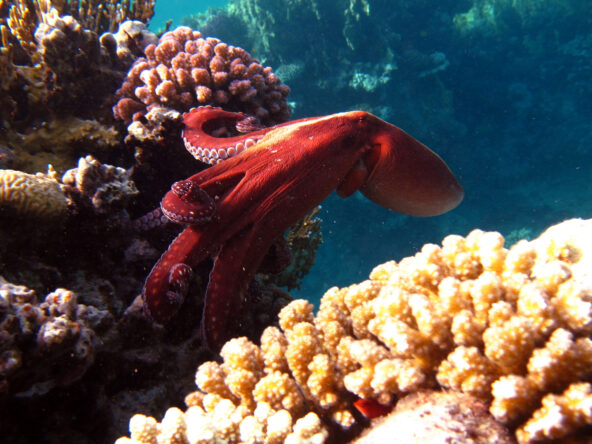
It’s more than one, which most people vaguely know. The exact number surprises people, though, and each heart has a different job. Their blood is a surprising colour, too, if you want a bonus fact to sit with.
5. What is the longest river in the world?
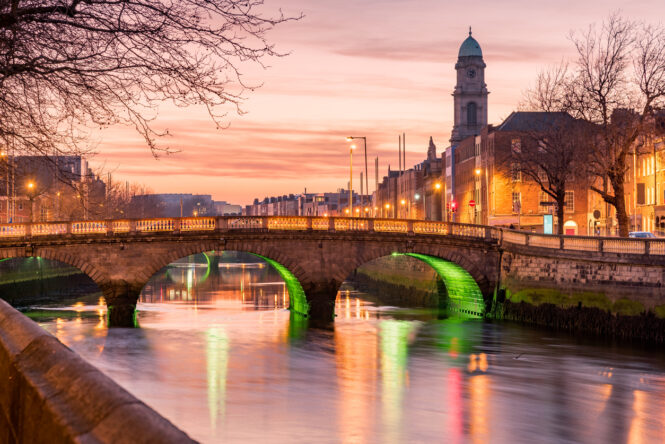
There’s actually some genuine scientific debate about this depending on how you measure it, but there’s a clear standard answer that general knowledge quizzes have stuck with for decades. One of the two main contenders is in Africa, the other in South America.
6. Which planet is closest to the sun?
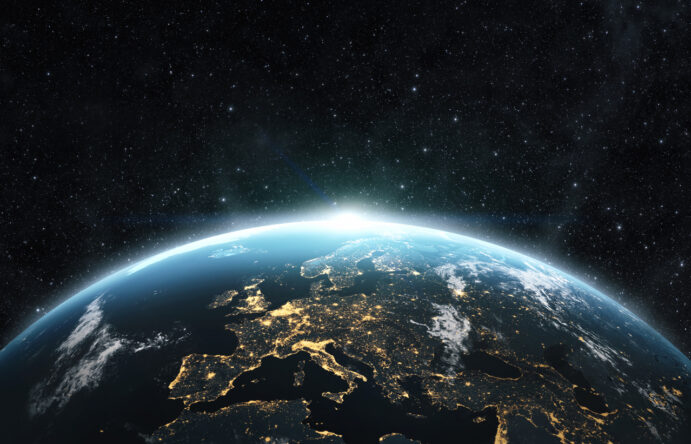
Closest to the sun doesn’t mean hottest, and that’s exactly what catches people out. There’s another planet that holds the heat record for a completely different reason, and the two often get mixed up.
7. How many bones does an adult human body have?

You actually start life with significantly more bones than you end up with. A lot of them fuse together as you grow, which means the adult number is lower than most people guess.
8. What is the chemical symbol for gold?
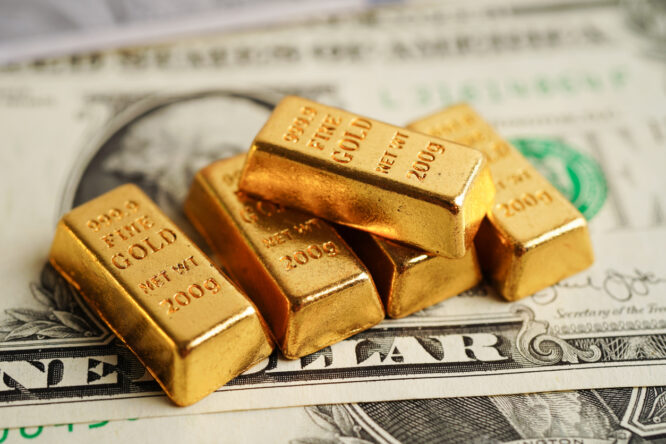
If you’ve never studied chemistry, this one will look completely wrong when you see it. It comes from the Latin name for gold rather than the English one, so the symbol bears no resemblance to the word most people know.
9. What is the capital of Canada?
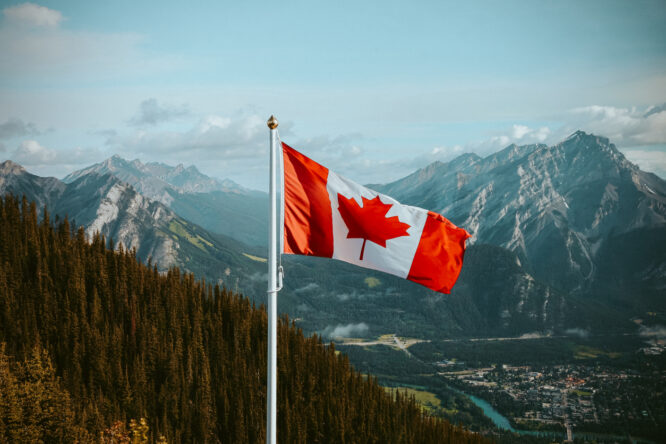
It’s not Toronto. It’s not Vancouver. It’s a city that most people outside Canada couldn’t name off the top of their head, despite Canada being one of the most well-known countries in the world.
10. In what year did the Titanic sink?
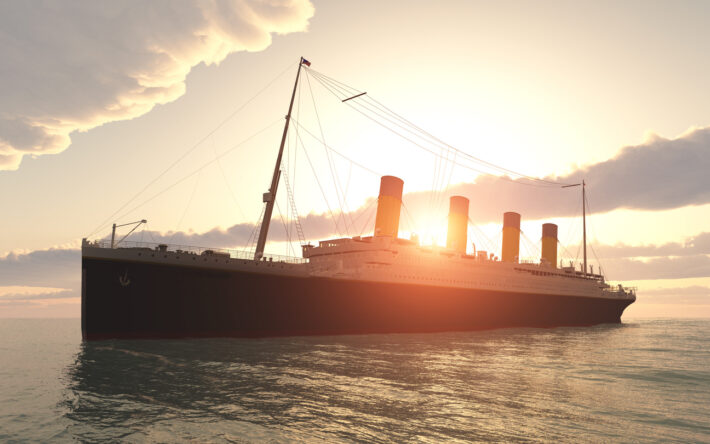
Everyone knows the rough era, and most people have seen the film. The exact year is where things get fuzzy, especially because other major world events happened nearby in history and the dates tend to blur together.
11. How many strings does a standard guitar have?

The word “standard” is doing a lot of work in this question. Different types of guitar have different numbers, and if you’re not a musician, it’s easy to muddle them up or forget which version counts as the default.
12. What is the square root of 144?

This is genuinely one most adults know. The reason it appears on this list is that when people are put on the spot, the pressure makes them second-guess themselves and land on the wrong number.
13. What percentage of the Earth is covered in water?
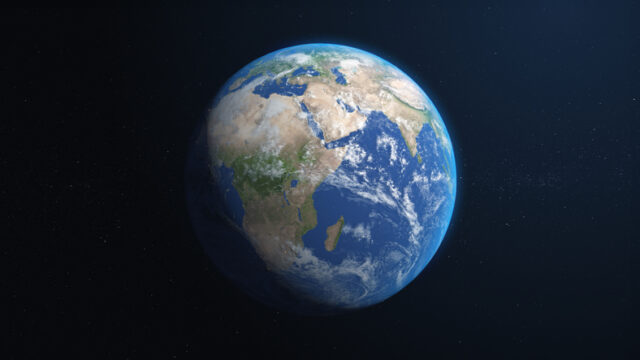
Everyone knows it’s more than half. Beyond that, guesses vary wildly. The actual figure is more specific than people realise, and it’s higher than most assume.
14. How many sides does a heptagon have?
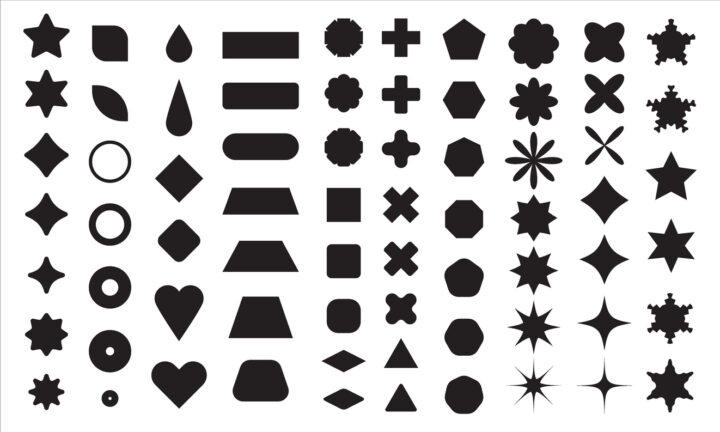
It sits right between two shapes that get far more attention in everyday life. Because it comes up so rarely, the name just doesn’t stick the way hexagon and octagon do. You’ve probably seen one on British coins without ever realising it.
15. What is the currency of Japan?
This sounds like a straightforward one, and it mostly is. The catch is that there’s a similarly named currency in a neighbouring country, and the two get mixed up more often than you’d think.
16. Who painted the Mona Lisa?

Most people get this right, but a notable number confidently name the wrong Renaissance artist. Both names have stayed well known through popular culture, and without thinking carefully it’s an easy mix-up.
17. How many days are in a leap year?

Everyone knows a leap year has an extra day. The question is whether you know the exact total, not just that it’s one more than usual. It’s a small thing, but small things are where points are lost.
18. What is the smallest ocean in the world?
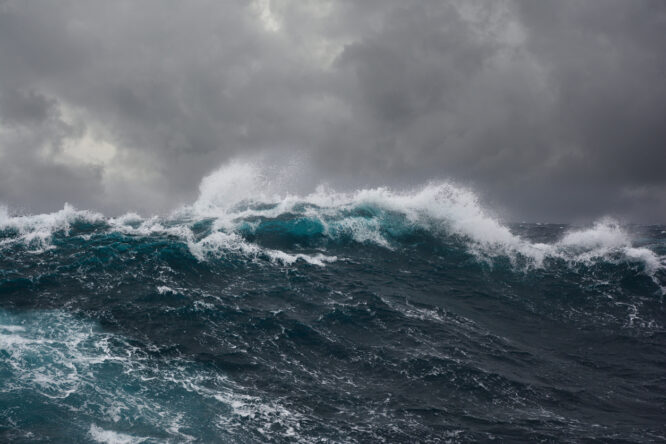
There are five officially recognised oceans. This one is the shallowest, the least discussed, and the one most people forget exists when they’re trying to list them under pressure.
19. How many players are on the pitch per team in football?

Football fans will get this instantly. The reason non-fans sometimes get it wrong comes down to one specific position that people forget to count as a player.
20. What does HTTP stand for?

You’ve seen it at the start of almost every web address you’ve ever typed. It’s so familiar it becomes invisible, which is exactly why most people have no idea what the letters actually mean.
Answers

1. Orange
2. Canberra
3. Portuguese
4. Three
5. The Nile
6. Mercury
7. 206
8. Au
9. Ottawa
10. 1912
11. Six
12. 12
13. 71 percent
14. Seven
15. The yen
16. Leonardo da Vinci
17. 366
18. The Arctic Ocean
19. Eleven
20. HyperText Transfer Protocol