Getting your five a day sounds simple enough on paper, but not all fruit pulls its weight nutritionally in quite the same way.
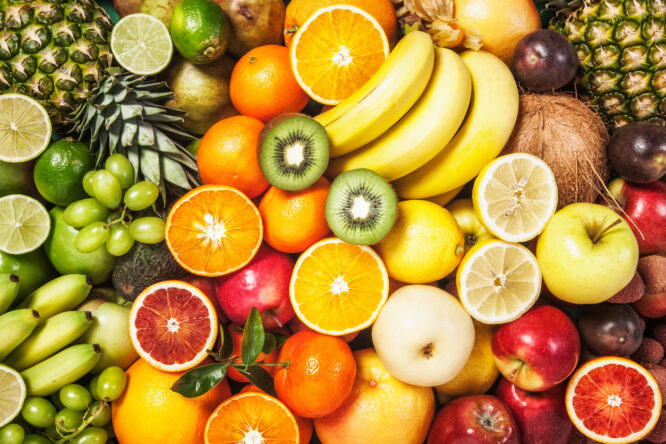
While almost any piece of fruit is a better choice than a packet of crisps, some varieties pack in an impressive hit of vitamins, gut-friendly fibre, and antioxidants, while others offer little more than a quick spike of sugar and water. Knowing which options deliver the biggest health punch makes it far easier to shop smart and build a diet that actually supports your long-term health. Here’s what you should actually be reaching for in the supermarket aisle, and which fruits are best treated as an occasional treat rather than an everyday staple.
Which fruit you choose can make a big difference to your health.

UK dietary guidelines recommend aiming for at least five portions of fruit and vegetables a day as part of a balanced diet. While fresh fruit gives you access to the widest range of nutrients, frozen, tinned or dried versions are still far better than skipping fruit altogether.
Different fruits contain wildly different levels of fibre, natural sugar, vitamins and minerals, which means some are simply more useful than others depending on what you’re trying to get out of your diet. Snacking on any fruit beats reaching for a chocolate bar, but a few varieties stand out as particularly worth stocking up on.
Bananas offer more than just quick energy.

Few fruits are as versatile or as widely eaten as the humble banana. Whether sliced onto toast, blended into a smoothie, or baked into something sweet, bananas are loaded with magnesium, potassium, fibre, and vitamin B6. Since the body can’t produce potassium on its own, bananas play a meaningful role in helping people hit their daily needs. Research has even linked higher potassium intake, of the kind bananas provide, to slower progression of kidney disease.
Berries punch well above their size.
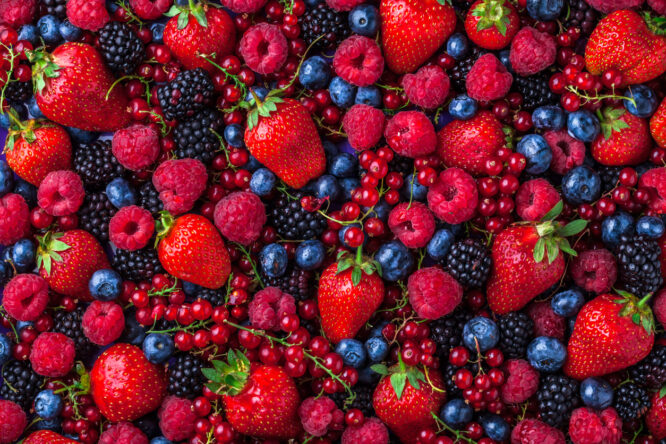
Small as they are, berries carry a serious nutritional punch. Raspberries, blueberries, blackberries, and strawberries all sit near the top of the antioxidant scale, a nutrient group responsible for keeping harmful free radicals in the body under control.
Without enough antioxidants in your diet, free radicals can build up and contribute to oxidative stress and cell damage over time, which has been linked to a whole range of health problems. A regular handful of berries goes a surprisingly long way toward keeping that process in check.
Cherries do double duty for recovery.

Cherries share a lot in common with berries, bringing plenty of antioxidants alongside decent amounts of potassium and fibre, all while staying relatively low in calories. That combination makes them useful for both digestion and keeping you feeling full.
There’s also evidence linking cherries to improved recovery after exercise. One study found that men who consumed tart cherry extract showed lower markers of muscle and cardiac damage following a workout, along with reduced oxidative stress overall.
Citrus fruits are a vitamin C powerhouse.

Few foods rival citrus fruits when it comes to vitamin C content. This nutrient plays a role in keeping skin healthy, supporting blood vessels and bones, and generally maintaining cell function throughout the body.
Your immune system leans on vitamin C particularly heavily, since it helps stimulate production of the white blood cells responsible for fighting infection and aiding recovery at a cellular level. A daily orange or grapefruit does a lot of quiet, behind-the-scenes work.
Kiwi fruit is a digestive powerhouse.

Kiwi fruit may be one of the most efficient sources of fibre available, containing both soluble and insoluble types that support regular bowel movements and overall digestive health. It increases stool volume while also encouraging the muscle contractions needed for regular bathroom trips. The effect is strong enough that a 2025 report from researchers at King’s College London recommended eating two to three kiwis a day specifically to support healthy digestion and ease constipation.
Apples and pears are household staples for good reason.
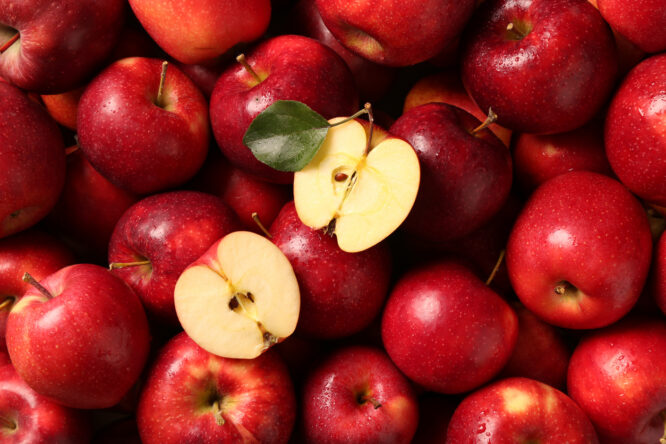
As two of the most commonly eaten fruits in British households, apples, and pears bring plenty to the table nutritionally. Apples are rich in phytochemicals, compounds linked to a lower risk of chronic conditions including diabetes and certain cancers, and research has also connected regular apple consumption to reduced cholesterol.
Pears bring their own strengths too, offering fibre, copper and potassium, a trio that supports weight management, healthy cholesterol and proper heart, nerve, and muscle function. Eating both with the skin left on ensures you get the full benefit of their fibre and antioxidant content.
Some fruit is best kept for occasional treats.

Fresh fruit gives you the fullest nutritional benefit, since processing methods can change how much good it actually does you in a big way. Tinned fruit sits firmly in this category, often packed in syrup that pushes up both sugar and carbohydrate content compared to eating it fresh.
Fruit juice is another one to watch, linked to higher cardiometabolic risk and typically containing added sugar and preservatives, even when labelled as pure juice. It also lacks the fibre found in whole fruit, so it’s best treated as an occasional drink rather than a daily habit. Dried fruit falls into a similar bracket too, with dried apricots, dates, and raisins typically containing more calories, carbs, and sugar per serving than their fresh equivalents.
Yes, you can actually overdo it.

As with most things, eating too much fruit isn’t without its downsides. Consuming excessive amounts can lead to digestive discomfort, including bloating and diarrhoea, as the body struggles to process large quantities of fructose and fibre all at once.
Some fruits are also fairly dense in calories and natural sugar, which can contribute to weight gain or dental issues if eaten in excess. Relying too heavily on fruit alone can also crowd out other important food groups, meaning you might miss out on nutrients that vegetables, protein and healthy fats provide instead.