The concept of chronological age is straightforward—we simply count the candles on a birthday cake to see how many years have passed since birth.
However, science has long proven that our cells don’t always match the calendar, meaning two people born in the exact same month can have internal systems that are decades apart in terms of wear and tear. Now, a massive international study has taken our understanding of this internal timeline to a completely new level by unveiling a highly sophisticated genetic tool.
By mapping specific universal patterns of biological decline, researchers have managed to create a system that calculates an individual’s realistic mortality risk with incredible accuracy. This development does far more than just offer a glimpse into the future; it completely redefines how we measure the underlying pace of human life.
The body can age differently from a person’s actual age.

Most people think age is simply the number of birthdays somebody has had, but scientists say the body often tells a more complicated story. Two people can both be 50 years old on paper, while one has a much “younger” body internally than the other.
That’s because biological ageing depends on many things including stress, illness, sleep, diet, pollution, exercise, and genetics. Scientists have spent years trying to build tools that can measure how worn down the body actually is, rather than simply counting years.
The new clock looks at how genes behave inside the body.
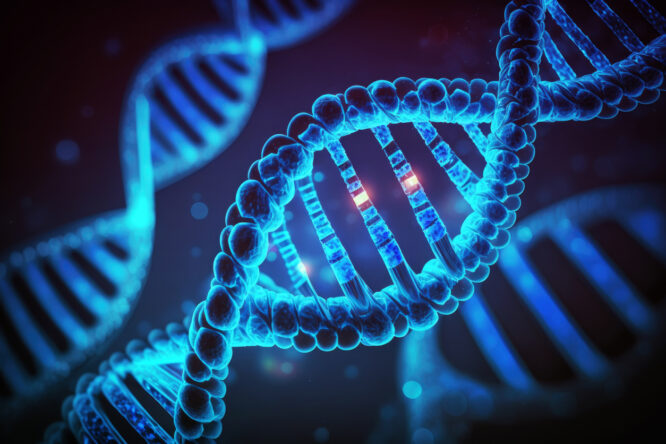
The latest system works by analysing RNA, which helps carry instructions from genes inside cells. By looking at which genes are more active or less active over time, scientists believe they can spot patterns linked to ageing. Researchers from Harvard, Brigham and Women’s hospital, and other institutions studied more than 11,000 samples across humans, mice, rats, and monkeys to compare how ageing changes different organs and tissues. Surprisingly, many of the same ageing signals appeared across several species.
Some gene patterns were linked to healthier ageing.
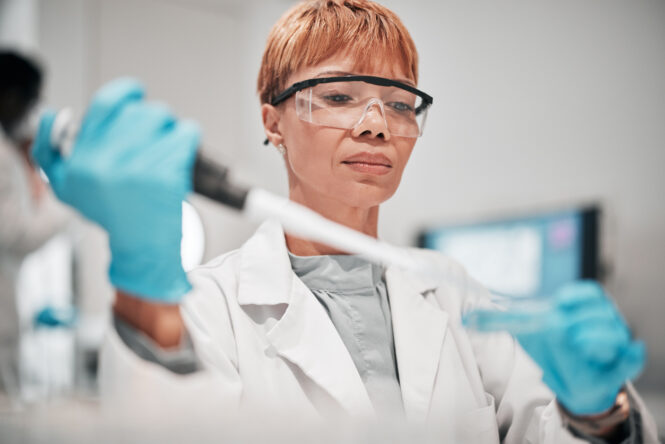
The researchers found certain gene activity was connected to slower biological ageing. These included genes linked to healthy cell repair, wound healing, and general maintenance inside the body. Meanwhile, genes connected to inflammation, stress, and cell damage tended to appear more strongly in bodies ageing faster. Scientists say these patterns may help explain why some people stay healthier for longer than others.
The clock also seemed to recognise chronic disease.

One reason researchers are excited about the findings is because the system appeared to detect signs linked to illnesses connected with ageing. Conditions involving inflammation and long-term damage often matched faster biological ageing patterns. That could eventually help researchers test whether treatments, medicines, diets, or lifestyle changes are slowing ageing down or speeding it up without waiting decades to study long-term results.
Scientists believe the tool could speed up anti-ageing research.
At the moment, studying ageing properly takes an enormous amount of time because researchers often need to track people for many years. A tool that measures biological ageing more quickly could help scientists test ideas much faster. For example, researchers may eventually use systems like this to study whether certain diets, exercise plans, medications, or sleep improvements are genuinely helping the body age more slowly.
There are still big limits to what this technology can do.

Despite some dramatic headlines, researchers are stressing that this is still an estimation tool rather than a crystal ball. It can’t tell somebody the exact moment they will die or perfectly predict future health problems. Scientists also say more testing is still needed across wider human populations because ageing is extremely complicated and influenced by huge numbers of factors throughout life.
Many everyday habits still affect biological ageing.

While genetics play a role, researchers say everyday lifestyle habits still appear to matter hugely when it comes to how fast the body ages. Poor sleep, chronic stress, smoking, pollution, and long-term illness can all place extra strain on the body. Meanwhile, healthy diets, exercise, movement, and looking after overall health may help slow some ageing processes down. That doesn’t stop ageing completely, but it may help the body stay healthier for longer.
The bigger goal is understanding ageing better, not scaring people.

Scientists say research like this is really about learning why bodies age differently and how diseases develop over time. The aim isn’t to frighten people with predictions about death. Instead, experts hope tools like this could eventually help people live healthier lives for longer by spotting warning signs earlier and helping researchers understand which habits or treatments genuinely make a difference.