It’s easy to point at phones and social media and call them the root of young people’s mental health issues, but the truth runs deeper than screen time.

Beneath the surface, there’s a mix of pressure, disconnection, and uncertainty that’s affecting a generation in ways older adults often overlook. If we really want to understand what’s going on, we have to move past the obvious and dig into what’s actually making life feel so heavy for so many young adults right now. Here are just some of the challenges they’re facing.
They feel pressure to have it all figured out way too soon.

There’s this unspoken expectation that by your early twenties, you should know who you are, what career you’re chasing, and where your life is headed. It’s unrealistic, and it’s exhausting. Young adults are making major life decisions before they’ve even had the chance to breathe outside of school systems.
Not having a clear plan often gets mistaken for laziness or lack of ambition, when in reality, most people are just overwhelmed. There’s barely room for exploration anymore. It’s all pressure, no pause, and it’s burning people out before they’ve even got started.
Friendships are more unstable than ever.
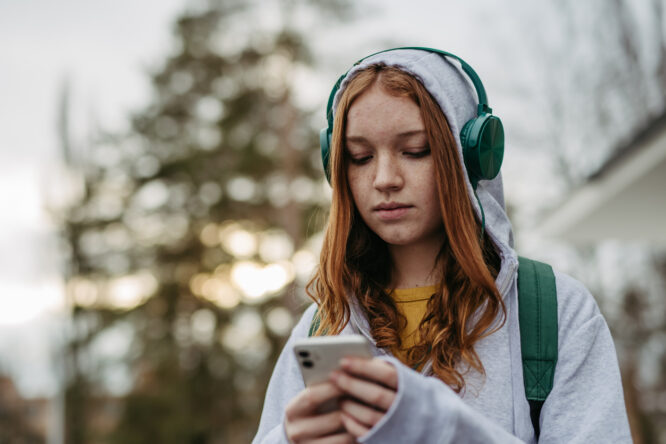
Lots of young adults are experiencing intense loneliness, even when they’re surrounded by people online. Friendships feel harder to maintain, and deeper connections are becoming rare. The mix of constant comparison and everyone being “busy” makes staying close feel like a full-time job.
It’s not that people don’t want real connection. It’s that they’re running on empty. Between work, side hustles, and just trying to survive mentally, many don’t have the energy to show up like they want to. That leads to a whole cycle of isolation that’s hard to climb out of.
Hustle culture turned burnout into a baseline.

The message that you should always be doing more is everywhere. If you’re not working, learning, networking, or “grinding,” you feel like you’re falling behind. Rest isn’t seen as necessary—it’s seen as slacking off. For a lot of young people, exhaustion is just the default, but it’s not sustainable. When doing your best never feels like enough, it chips away at your confidence, your mental health, and your ability to enjoy anything at all.
Therapy is less taboo, but still not accessible enough.

More people are open to talking about mental health, which is a step in the right direction. Actually getting help is another story. Long waiting lists, high costs, and a lack of culturally aware therapists make access tough for a lot of young adults. It’s hard to feel hopeful when you’re told to “reach out” and then find out there’s nowhere to go. The mental health conversation may be louder now, but that doesn’t mean the support systems are actually catching up.
Money stress is constant, and feels never-ending.

Even with full-time jobs, a lot of young adults are barely scraping by. Rent is high, bills keep rising, and saving for the future feels impossible. Financial stress isn’t just a background noise. It’s a constant source of anxiety that never really switches off. That sort of pressure doesn’t just affect the bank account. It messes with self-worth, sleep, relationships, and the ability to make plans. It’s hard to feel mentally stable when your entire life feels like a balancing act with no safety net.
Everyone’s performing, and no one feels real.

Social media has created this strange world where people feel like they have to curate every version of themselves, whether it’s their body, their job, their home, or their relationships. Authenticity often takes a back seat to “aesthetic.” It’s incredibly draining. When you feel like you’re always on display, it becomes harder to show up as your actual self. You’re constantly comparing your real life to someone else’s highlight reel, and it’s wrecking a lot of people’s sense of self-worth.
There’s a growing fear of falling behind.

Comparison is brutal when everyone’s timelines look different, and yours feels like it’s stalled. Seeing peers hit big milestones while you’re still figuring things out can make you feel like you’re doing life wrong, even when you’re not. This fear creates a ton of internal pressure. You start chasing things just to keep up, not because you actually want them. Plus, the disconnect slowly but surely builds into anxiety, numbness, or both.
Identity feels harder to define than ever.

Young adulthood is meant to be a time of figuring out who you are. However, in a world full of noise, labels, and constant online input, it can be hard to hear your own voice. People are being pulled in so many directions, they’re not sure what’s actually theirs. The lack of clarity leaves a lot of young people feeling disconnected from themselves. They try on different versions of identity, hoping one will stick, but often just end up feeling more lost.
The world feels increasingly unstable.

From climate anxiety to political chaos to a lack of job security, there’s this underlying feeling that the future is uncertain, and that no one’s really in control. That instability hangs over everything, even in daily decisions. It’s hard to make long-term plans or dream about the future when everything feels like it could collapse. For many, the anxiety isn’t just personal. It’s global, and that weight is too much to carry alone.
Emotional regulation isn’t being taught, just expected.

Young adults are often told to “calm down,” “just communicate better,” or “be more emotionally mature,” but no one really taught them how. Emotional regulation is treated like common sense, not a skill that takes time to build. So, when people struggle to handle big feelings, they end up feeling ashamed or broken. Of course, the truth is, emotional literacy isn’t something you magically learn just by turning 18. It needs space, support, and practice.
Family expectations still carry a huge weight.

Even in adulthood, the pressure to meet family standards or avoid disappointing anyone can shape major decisions. Whether it’s career choices, relationships, or values, the fear of not measuring up sticks around. The pressure might not always be loud, but it’s often deeply felt. And it can lead to people living lives that aren’t fully theirs, while quietly carrying the guilt or frustration of not being able to break free from it.
Relationships aren’t offering the same emotional security.

Dating has changed. Friendships feel more fluid, and even long-term connections often feel less grounded. Many young adults aren’t sure who’s really in their corner, and that lack of stability takes a toll. When people don’t feel emotionally safe with anyone, they stop opening up. That leads to even more disconnection, and sometimes, to the belief that they have to handle everything completely on their own.
There’s an unspoken pressure to be okay all the time.
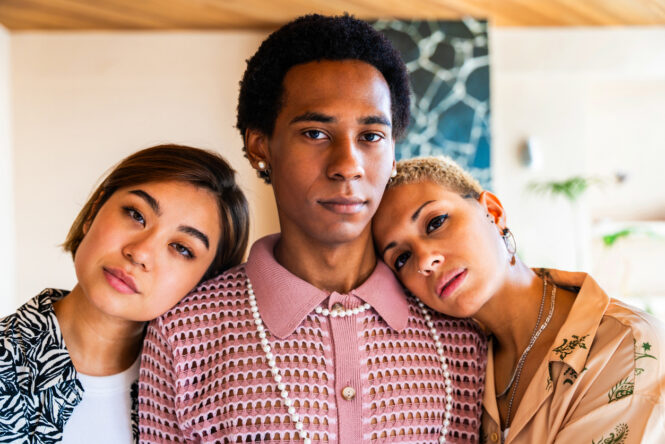
Even though mental health is talked about more now, there’s still this quiet expectation to be fine. To function. To smile through it. Struggling openly still feels uncomfortable for a lot of people, especially when other people seem to be coping better. All that internal pressure leads to a lot of masking. People show up, do the job, post the story, but underneath, they’re barely hanging on. And that disconnect makes everything feel even more isolating than it already is.