The local car garage has always been one of those places you take for granted and don’t think much about until you need it.
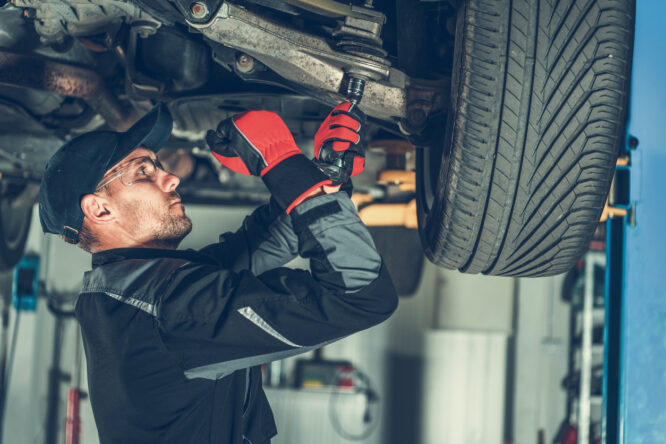
Whether it’s an MOT, a strange noise, or a warning light that won’t go away, it’s where most drivers turn first. However, across the UK, small garages are under growing pressure from rising costs, fewer workers, changing cars, and new competition. They’re not disappearing overnight, but they are being pushed in ways that could make them harder to find and more expensive to use.
Rising costs are putting small garages under pressure.
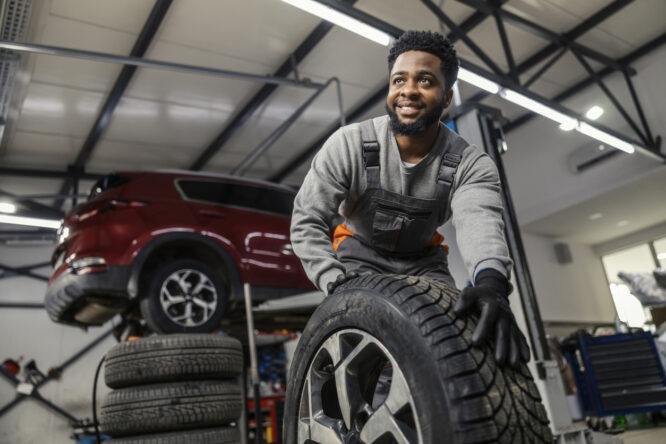
Running a garage has become far more expensive than it used to be. Rent, energy bills, insurance, equipment, and wages have all increased, and these businesses need a steady flow of work just to stay afloat. Unlike bigger chains, many independent garages don’t have a financial buffer to absorb these rising costs.
At some point, those costs get passed on to customers. That means higher prices for servicing and repairs, which can lead drivers to delay work they know needs doing. When that happens, garages lose income, and cars on the road can become more expensive to fix later. It creates a cycle that’s difficult to break.
Older cars mean demand is high, but that doesn’t solve everything.

Cars in the UK are getting older on average, which should be good news for garages. Older vehicles usually need more repairs and regular servicing, so there’s no shortage of demand. Many people are also keeping their cars for longer instead of upgrading, which adds to the workload.
Unfortunately, demand alone doesn’t keep a business healthy. If customers are cutting back, parts are more expensive, and staff are harder to find, garages can still struggle even when they’re busy. For drivers, this could mean longer wait times and fewer affordable options, especially in smaller towns or rural areas.
Electric cars are changing what garages need to survive.

The move towards electric vehicles is another challenge. EVs still need maintenance, but they require different skills, tools, and safety training. For a small garage, investing in that equipment can be expensive, especially if only a small number of local drivers have made the switch so far.
This leaves many garages in a difficult position. If they don’t invest, they risk falling behind as EV numbers grow. If they do invest too early, they may not see a return for years. Either way, it adds another layer of pressure at a time when many are already stretched.
There aren’t enough new mechanics coming through.

Another issue is the shortage of skilled workers. Many experienced mechanics are getting older, and fewer young people are entering the trade. Modern cars are more technical than ever, which means training takes time and the job requires a wide range of skills.
This shortage affects drivers directly. Fewer mechanics means longer waits for bookings, higher labour costs, and less flexibility when something goes wrong. It also makes it harder for garages to expand into newer areas like electric vehicles, where extra training is essential.
Mobile mechanics are changing what drivers expect.

At the same time, mobile repair services are becoming more popular. Instead of taking your car to a garage, a mechanic comes to you. For many people, that convenience is hard to ignore, especially for basic jobs like servicing, batteries, or brake work.
Mobile services can’t replace every type of repair, but they are taking a share of the work that once kept local garages busy. As more drivers get used to this approach, expectations are changing, and traditional garages are having to adapt.
Drivers may gain convenience but lose local choice.

While newer services can make life easier, there’s a trade-off. Independent garages often build long-term relationships with customers and offer advice people trust. If those businesses start to disappear, that personal connection could be lost.
There’s also the risk of fewer options. If the market transitions towards larger chains and mobile providers, drivers may have less choice when it comes to pricing and service. That could make things more difficult for people relying on older cars and tighter budgets.
The industry isn’t disappearing, but it is changing.

Local garages are unlikely to vanish completely, but the way they operate is changing. Some will adapt by specialising, investing in new technology, or focusing on customer service. Others may struggle to keep up with the combined pressures.
For drivers, the change may be gradual. Prices may rise, wait times could get longer, and familiar garages may close. But the need for skilled mechanics isn’t going anywhere. If anything, as cars become more complex, those skills will become even more valuable.