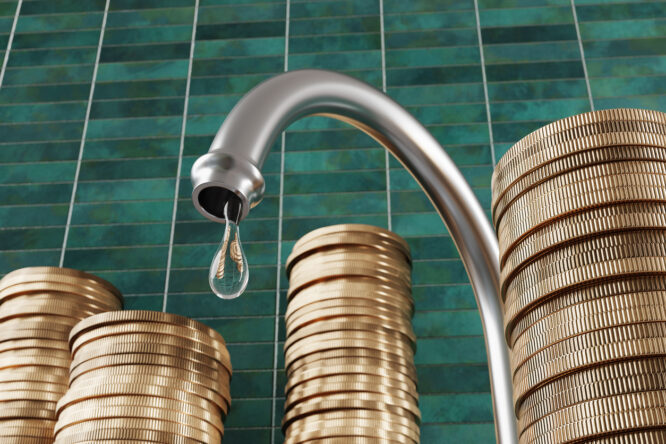
Maxing out your ISA allowance, currently set at £20,000 a year, is a major achievement.

First of all, well done, genuinely. Most people don’t get anywhere near that threshold. In fact, the average person putting money into a cash ISA actually saves around £4,330, so if you’ve hit the full amount, you’re already doing something most people aren’t. Of course, now you’ve got a new question to think about, which is what to do with any extra money you’ve got sitting around now that the ISA is full.
The honest answer is that it depends on what you’re saving for and how long you’re planning to leave the money alone. There’s no single right move here, but there are some genuinely useful options worth knowing about.
First, be clear on what the money is actually for.

Before doing anything else, it helps to think about why you’re saving in the first place. If your cash ISA is your emergency fund, money you’d need quickly if you lost your job or had an unexpected bill, that’s exactly what it should be used for, and you don’t need to overthink it. Same if you’re saving for something specific in the next five years or so, such as a wedding, a house deposit, or a trip somewhere.
Cash savings make sense for those kinds of goals because you know the money will be there when you need it. The situation gets more interesting when you’re saving for something longer term, or you’re not quite sure what for yet. That’s when the question of whether to keep saving in cash or start doing something else with the money becomes worth asking properly.
If the goal is more than five years away, investing is worth thinking about.

Here’s the thing about keeping money in cash for a long time. If the interest your savings account pays is lower than inflation, your money is technically losing value over time, even though the number in your account isn’t going down. That might sound strange, but it’s real. The UK inflation rate is currently around 3%, so if your savings are earning less than that, your money buys a little less each year.
Investing in shares gives your money a better chance of growing faster than inflation over the long term. The catch is that investments can go down as well as up, and you could get back less than you put in. That’s a real risk, and it’s worth taking seriously. But the longer you leave the money invested, the more that risk tends to smooth out, which is why the five-year mark is often used as a rough guide for when investing starts to make more sense than cash.
A stocks and shares ISA is the most tax-efficient way to invest.

If you’ve already used your cash ISA allowance, you could open a stocks and shares ISA when the new tax year starts on 6 April. You get a fresh £20,000 allowance, and you can split it between a cash ISA and a stocks and shares ISA however you like. Any growth in a stocks and shares ISA is free from capital gains tax and any income from it is free from income tax, so it’s a much tidier way to invest than just using a standard investment account.
If you haven’t invested before, the best place to start is usually something called a tracker fund or ready-made portfolio. These are bundles of investments put together by experts that track the performance of a market or are managed according to how much risk you want to take. You don’t need to pick individual shares or spend hours researching companies. You just choose the risk level that feels right for your situation and let it do its thing.
A pension is another option if you won’t need the money for a long time.

If you’re thinking really long term, putting extra money into a pension is one of the most tax-efficient things you can do. You can put up to £60,000 a year into a pension and the government adds tax relief on top, which is essentially free money added to what you put in. The trade-off is that you can’t touch it until you’re 57, rising to 58 in 2028.
That’s fine if retirement is what you’re saving for. But if there’s any chance you’ll need the money before then, a pension isn’t the right place for it. It’s worth thinking about how that fits with your other financial goals before deciding how much to put in.
Your partner and kids have ISA allowances too.

If you have a spouse or partner, they have their own £20,000 ISA allowance each year. You can transfer money to them to fill it, which effectively doubles the amount your household can shelter from tax in ISAs. It’s one of those things that’s easy to overlook but adds up in a big way over time.
Children get a Junior ISA allowance of £9,000 a year, which is separate from yours. So a family of two adults and two children could theoretically shelter £58,000 a year across all their ISA allowances combined. One thing to be aware of: when a child turns 18 the money in their Junior ISA becomes theirs to do whatever they want with, so it’s worth bearing that in mind if you’re planning to put large amounts in.
Premium bonds are worth considering for extra cash savings.

If you’d rather keep extra money in cash than invest it, premium bonds are a decent option once you’ve used up your ISA allowance. You don’t earn a fixed interest rate, instead your money is entered into a monthly prize draw where you can win between £25 and £1 million. Any winnings are completely tax-free, which is what makes them worth considering over a regular savings account once you’ve used your ISA.
The downside is that you might win nothing in a given month, and the average return across all premium bond holders tends to be lower than the best savings rates available. However, for money you want to keep accessible and tax-free, they’re a reasonable place to park extra cash.
There are other options if none of the above quite fits.

A general investment account lets you hold shares and funds outside of an ISA or pension. You don’t get the same tax advantages, but you do have some breathing room. You can make up to £3,000 in profits and receive up to £500 in dividends each year before you owe any tax. It’s not as efficient as an ISA, but it’s a decent option if you’ve already used all your tax-efficient allowances.
Some people also look at things like UK government bonds, known as gilts, or gold coins from the Royal Mint. Both can have tax advantages in certain situations, but they’re more niche and worth getting proper advice on before going near them. If you’re not sure which direction makes sense for your situation, talking to an independent financial adviser is worth it. The decisions you make now about where extra savings go can make a real difference further down the line.