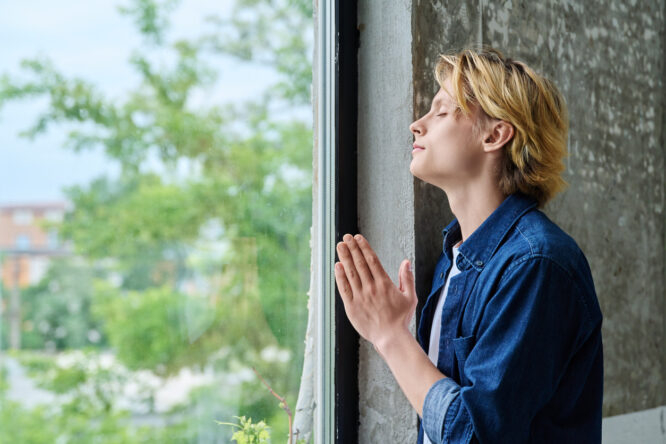
Whether you’ve always been religious, walked away from it, or never really connected with it in the first place, the question hangs there: is religion actually good for us?
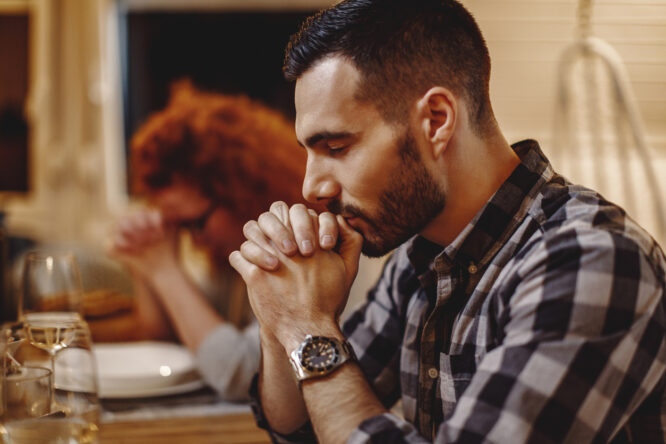
Some people swear it’s the glue that holds them together. Others say it caused them more harm than anything else. Then there’s the middle ground, which is where most people quietly sit. It’s messy, personal, and not a simple yes or no. Wherever you find yourself, here are some things worth thinking about when it comes to religion’s impact on real, everyday life.
1. It gives people something to hold onto.
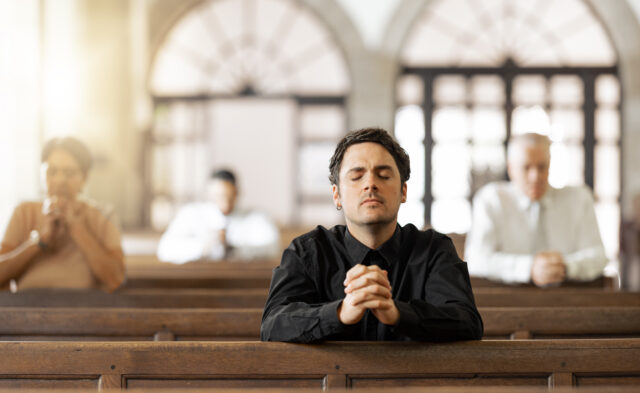
When life gets rough, a lot of people reach for something bigger than themselves. Religion gives that shape via prayers, rituals, words to say when nothing makes sense. It can make you feel like you’re not going through things alone, even if you are. That doesn’t mean it solves your problems. But for some, just having that structure—the idea that there’s a purpose behind the pain—is enough to keep going when everything else falls apart.
2. It creates built-in community.

One thing religion does well is gather people. You can show up, not say much, and still be surrounded by people who’d check in if you stopped coming. That kind of low-pressure support can be a lifeline, especially when you’re feeling lost or lonely. Plus, it’s not just about belief; it’s about being part of something. Potlucks, group chats, shared grief, shared joy. Sometimes just knowing people are there is enough to get you through the week.
3. It teaches people how to think about right and wrong.
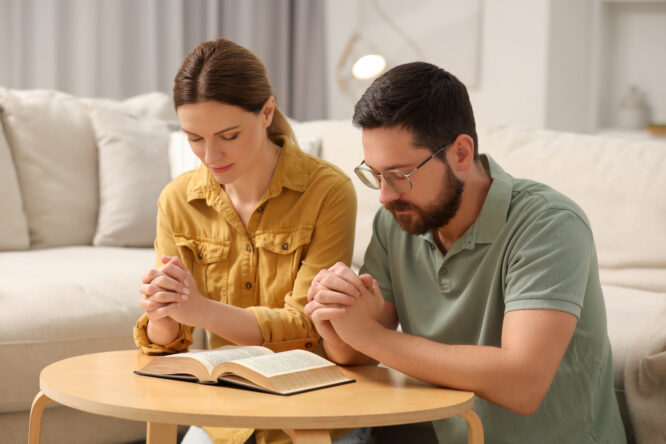
Religious or not, most people want to be decent. However, religion often gives a more deliberate space to think about kindness, honesty, and what kind of person you want to be. It puts questions in front of you that don’t always come up elsewhere. Sure, people don’t always live by what they preach, but the fact that religion even encourages this kind of reflection can steer people in better directions than they might’ve taken otherwise.
4. It makes some people feel safe in the unknown.
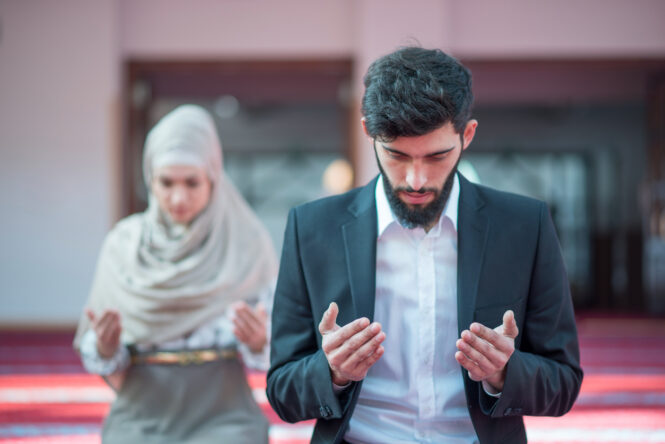
Let’s be honest: most of life is unpredictable. Illness, death, heartbreak—they’re coming whether we like it or not. Religion gives a way to make sense of things that don’t make sense. It gives people something solid to lean on when everything else is falling apart. That doesn’t work for everyone, but for the people it does help, it’s not about blind belief. It’s about peace, even if it’s quiet or temporary. It’s enough to keep someone grounded when everything’s spinning.
5. It encourages routine, and sometimes, that’s what people need.

For people struggling with grief, anxiety, or just general chaos, religion often offers something really simple but powerful: rhythm. Show up here, say these words, light this candle. When your life feels like it’s gone sideways, structure like that can be strangely soothing. Even when belief is shaky, the rituals still carry weight. It’s less about theology and more about feeling like you’re part of something bigger than your own stress spiral.
6. It can help people be less scared of dying.
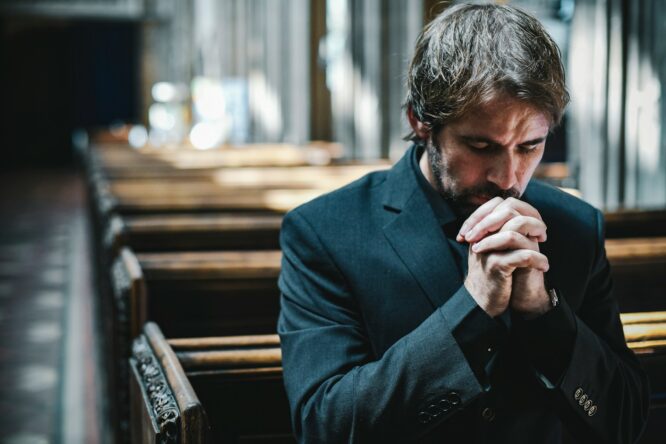
Whatever you believe, death is a big one. For people with faith, there’s often comfort in thinking there’s more after this. That this isn’t just a stop-and-done kind of ride. It doesn’t erase the fear, but it softens it. When someone loses a loved one, it helps to believe they’re still somewhere, and that they didn’t just vanish. That kind of hope, whether literal or symbolic, can be enough to get you through the darkest bits.
7. It can make people more generous.
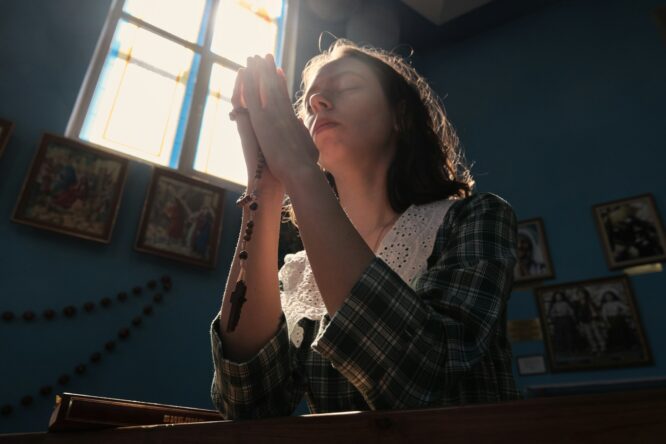
Say what you want about organised religion, but it often nudges people to look outside themselves. Food drives, fundraisers, helping a stranger—these aren’t just feel-good moments. For a lot of people, they’re a built-in part of their belief system. Even if some people only give because they think they “should,” the impact still counts. The system encourages giving, and honestly, in a world as self-absorbed as ours can be, that’s not nothing.
8. It gives people identity, but sometimes that’s a double-edged sword.
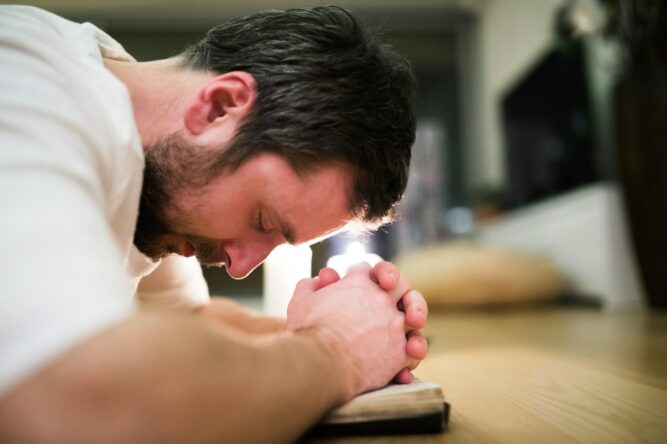
Religion can feel like home. It can shape how you see the world, how you make decisions, how you relate to people. For many, it’s woven into every part of who they are. However, if that identity gets shaken or rejected, it can be a tough thing to untangle from. So while religion can give someone a strong sense of self, it can also trap them in labels or expectations that don’t fit anymore. That change can feel like losing a whole piece of yourself, and rebuilding from there takes time.
9. Not all religious spaces are safe.
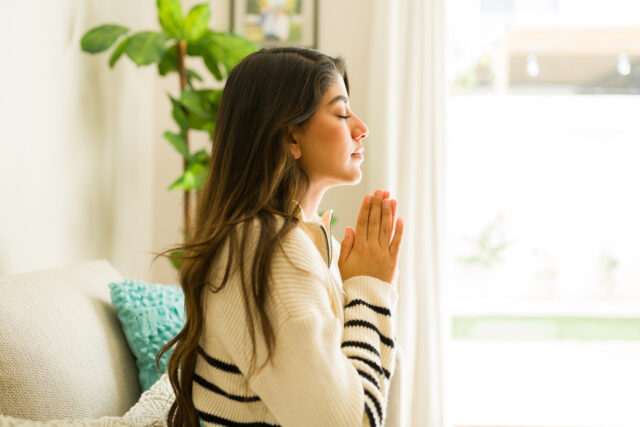
Unfortunately, not every church, mosque, temple, or spiritual group is healthy. Some people walk away more hurt than healed. Religion has been used to shame, control, and exclude, and those wounds run deep. For the people who’ve experienced that, religion doesn’t feel like comfort—it feels like trauma. And that’s valid. Just because something helps other people doesn’t mean it helped you. There’s no shame in walking away when something sacred turns toxic.
10. It can encourage self-reflection.
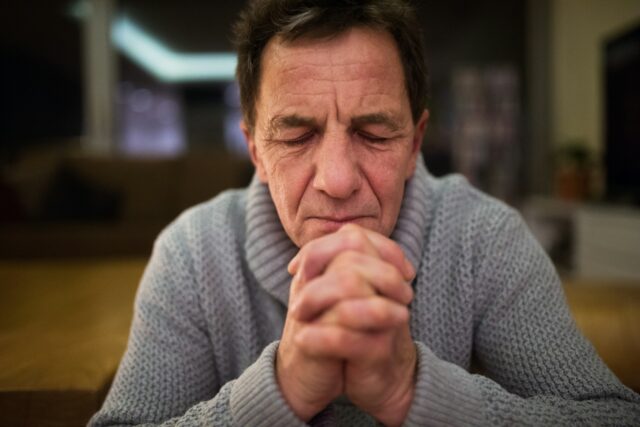
Religion often pushes you to think about things you might otherwise avoid. Where do you put your energy? How do you treat people? What kind of legacy are you leaving? These aren’t small questions, but they’re worth asking. You don’t have to be deeply religious to value that kind of reflection. It can pull you out of autopilot, remind you of your impact, and help you course-correct when life starts to drift off track.
11. It gives people a place to go when things fall apart.
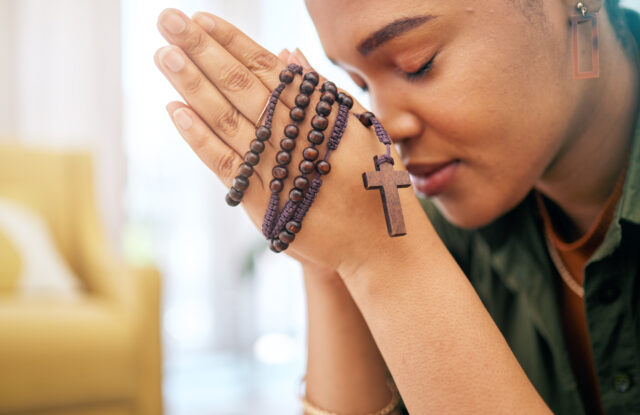
Hospitals. Funerals. Mental health spirals. Moments when people have no words left. Religion is often the one thing people reach for when everything else has stopped making sense. Even people who don’t normally practice find themselves reaching for old prayers or rituals when life knocks them flat. That’s not just habit, it’s comfort. When nothing else fits, even a whisper of something familiar can make a difference. Sometimes just lighting a candle is enough to feel a bit less lost.
12. It doesn’t have to be all or nothing.
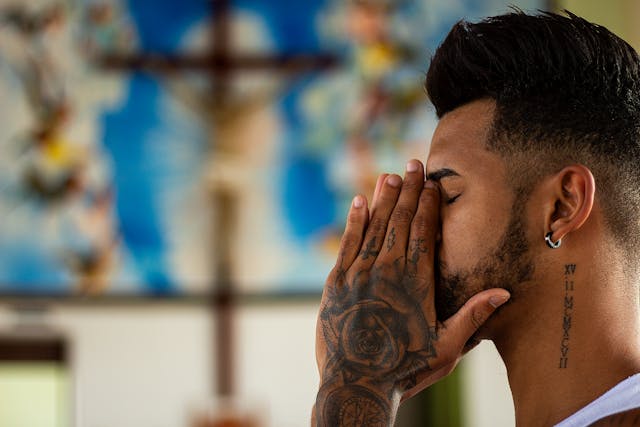
A lot of people think you have to fully subscribe or fully reject religion. However, more and more people are finding their own version of spirituality, something that feels right without ticking all the traditional boxes. You can take what resonates, leave what doesn’t, and still build something meaningful. You don’t have to explain it. You don’t have to prove it. Faith, doubt, peace—they’re allowed to exist side by side.
13. Whether it works for you or not, it’s a deeply human thing.
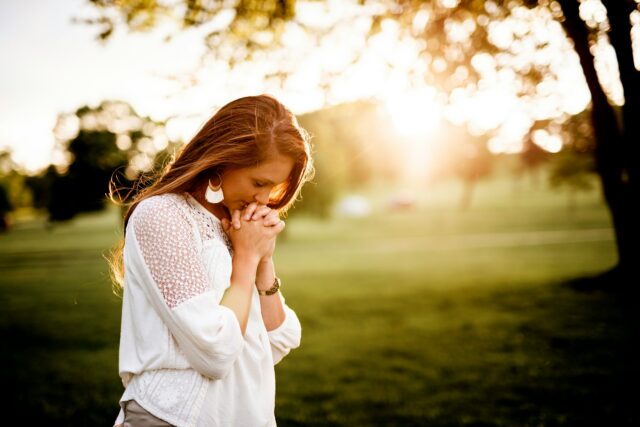 Source: Unsplash
 Wanting to believe in something bigger, wanting to feel connected, wanting answers—we all get that. Religion is just one way people try to meet those needs. It’s not the only path, but for many, it’s the one that stuck. So, is religion good for us? It depends. For some, it saves their lives. For others, it complicates it. But in the middle of all that, there’s space to ask your own questions, and find what brings you peace, whatever shape that takes.